


Product Introduction
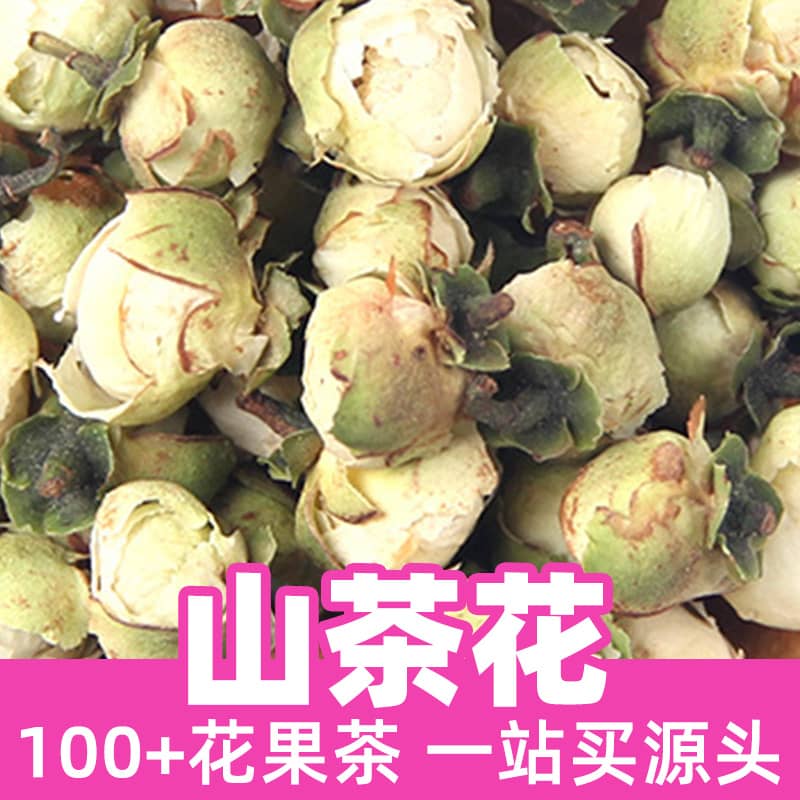
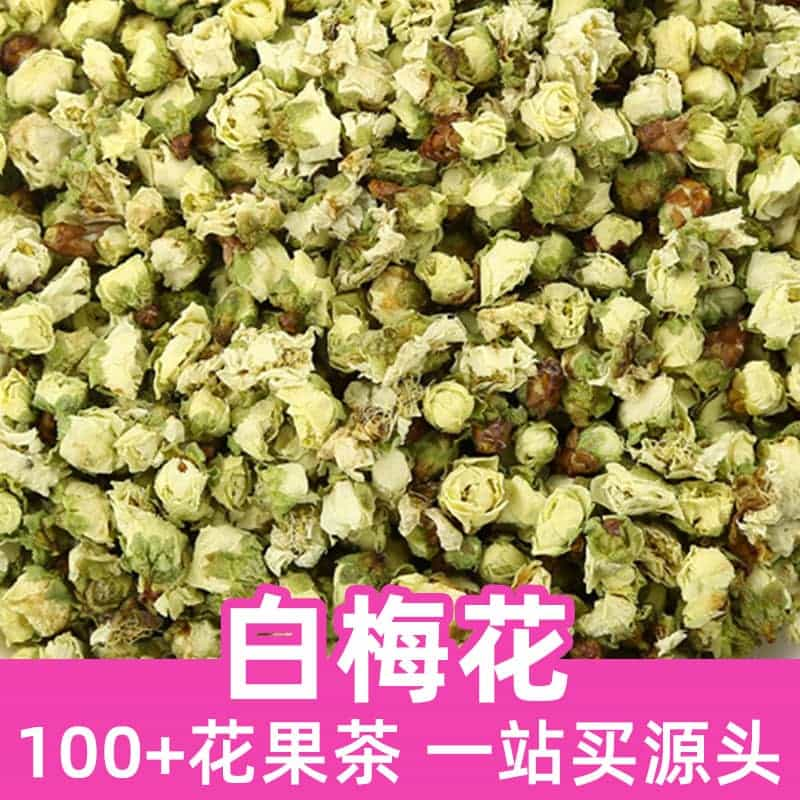
White plum blossom tea is a cherished beverage in East Asian cultures, known for its floral scent and pleasant taste. The tea is crafted from the petals of the Prunus mume tree, which blooms in late winter to early spring, offering an aromatic experience to those who consume it. Traditionally, this tea symbolizes resilience and purity, often enjoyed both for its flavor and its perceived health benefits.
Nutritional Components
The nutritional profile of white plum blossoms includes profuse antioxidant properties, particularly due to their high vitamin C content. Additionally, they offer vitamins like E, which are important for skin health and overall wellness. The antioxidants present in these blossoms may help combat oxidative stress and promote a balanced immune system when consumed.
Production Process
Producing white plum blossom tea involves carefully harvesting the flowers at their peak bloom to capture their full flavor and fragrance. The flowers are then dried gently to preserve their essential oils and nutritional content. This method ensures that the resultant tea retains the distinct floral notes that characterize its aroma and taste.
Application Scenarios
White plum blossom tea is versatile in its applications. It can be served hot, making it a comforting drink during colder seasons, or cold as a refreshing beverage in warmer weather. Besides being consumed as tea, these blossoms can be used in various culinary activities, such as flavoring desserts or being infused in syrups for cocktails.
Plant Source
The white plum blossom originates from the Prunus mume tree, which thrives in temperate climates. This tree is often found in China, Japan, and Korea, where it is celebrated not only for the tea produced but also for its beautiful blossoms which attract attention in gardens and parks. The petals are harvested sparingly to ensure that the blossoming trees continue to thrive.
Packaging and Storage
To maintain the quality of white plum blossom tea, proper packaging and storage are crucial. The product should be stored in a closed container that protects it from light, moisture, and air. Ideally, it should be kept in a dry, cool, and well-ventilated space to preserve its delicate flavor and aroma.
- 【Storage Conditions】 The product should be sealed, protected from light, stored in a dry, cool, and well-ventilated place.
- 【Packaging】 Bulk: 25 kg per fiber drum; Sample: 1 kg per aluminum foil bag; Custom packaging available upon request.
- 【Transportation】 FedEx, DHL, dedicated logistics, and sea freight consolidation.
- 【Shelf Life】 Two years.

Monica Sun is a seasoned expert in the natural raw materials industry, with over a decade of experience specializing in traditional Chinese medicinal herbs, spices, and fungi. She is skilled in the sourcing, processing, and application of these materials, emphasizing sustainability and innovation. Monica Sun has contributed to the development of high-quality natural raw materials that serve as essential components in functional foods, pharmaceuticals, and cosmetics, delivering tailored solutions to meet diverse market needs.