


Product Introduction
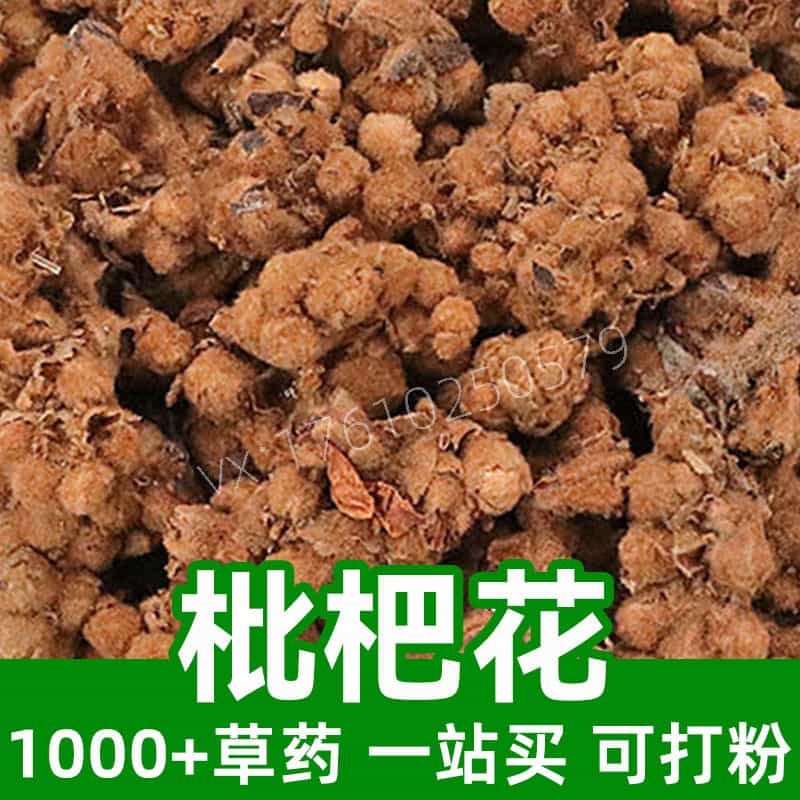
Loquat flowers, derived from the loquat tree (Eriobotrya japonica), are not only valued for their delicate beauty but also for their potential health benefits. These flowers have traditionally been used in various cultures, particularly in East Asia, for their calming properties and delightful flavor. They can be infused to create herbal teas that have gained popularity among health-conscious consumers.
Nutritional Components
Loquat flowers are rich in bioactive compounds, particularly flavonoids and phenolic acids, which are known for their antioxidant effects. These components may contribute to the overall health benefits associated with the flowers, including potential anti-inflammatory and immune-supportive effects. The essential oils present in the flowers may also provide digestive benefits and enhance flavor profiles when used in teas.
Production Process
The production of loquat flower tea begins with the careful harvesting of the flowers during the blooming season. The flowers are collected selectively to ensure the best quality, avoiding any damaged or wilted blooms. They are then dried using gentle methods to preserve their aromatic components and nutritional value. Once dried, the flowers can be packaged for sale, retaining their flavor and benefits for consumers.
Application Scenarios
Loquat flowers are commonly used in herbal teas, providing a soothing beverage that can be enjoyed hot or cold. They can be blended with other herbs and fruits to create unique flavor combinations. Additionally, loquat flower extracts are sometimes utilized in cosmetics and wellness products, thanks to their potential skin benefits.
Plant Source
The loquat tree is a subtropical fruit tree native to Southeast China, but it is now widely cultivated in various countries, including Japan, Brazil, and Spain. The tree thrives in warm climates and produces fragrant white flowers that bloom in late winter to early spring. These flowers are an essential part of the tree's life cycle and contribute to the development of the sweet fruit loquat, which is enjoyed fresh or in preserves.
Packaging and Storage
Loquat flowers are typically packaged in bulk for commercial distribution, usually in fiber drums or smaller quantities in aluminum foil bags for samples. Appropriate packaging helps preserve the quality and shelf life of the flowers. For storage, it is recommended that loquat flowers be kept in a sealed container, protected from environmental elements, in a cool and dry area. Proper storage ensures that they maintain their aroma and potency for an extended period.

Monica Sun is a seasoned expert in the natural raw materials industry, with over a decade of experience specializing in traditional Chinese medicinal herbs, spices, and fungi. She is skilled in the sourcing, processing, and application of these materials, emphasizing sustainability and innovation. Monica Sun has contributed to the development of high-quality natural raw materials that serve as essential components in functional foods, pharmaceuticals, and cosmetics, delivering tailored solutions to meet diverse market needs.