


Product Introduction
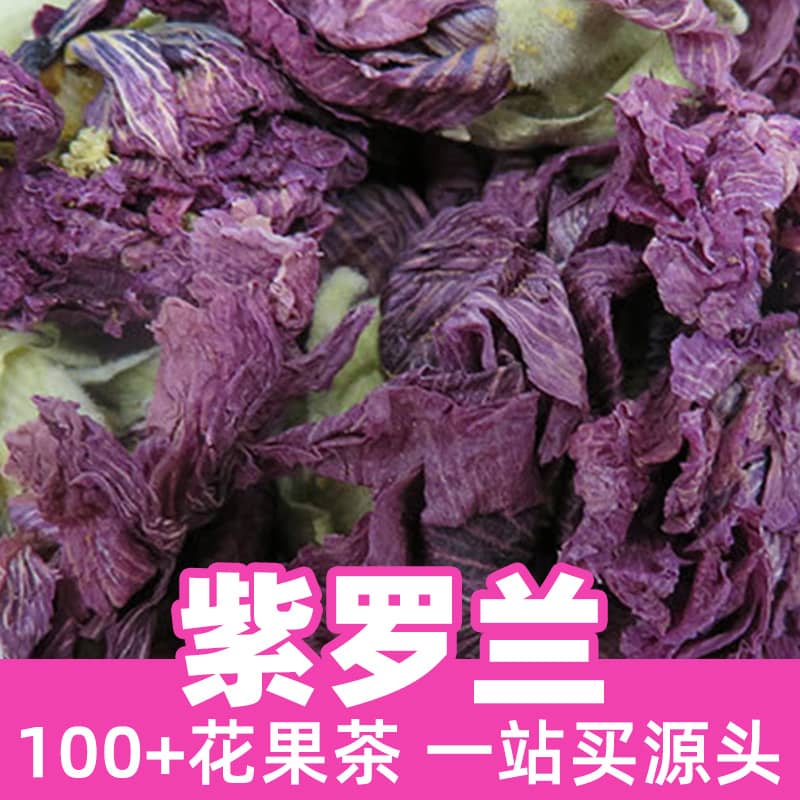
Violet is a flowering plant known for its aromatic qualities and bright purple flowers. This plant has been utilized for centuries in culinary and herbal traditions. Its fresh leaves and flowers are often brewed to create a soothing tea, appreciated for its gentle flavor and calming properties. As an herbal product, violet is praised for its potential health benefits, including anti-inflammatory and antioxidant effects.
Nutritional Components
Violet leaves and flowers are not only flavorful but also packed with nutrients. They contain a good amount of vitamin A, which supports vision and skin health, and vitamin C, which is crucial for immune function and skin repair. Additionally, violets have minerals such as calcium, which is important for bone health, and potassium, which helps regulate blood pressure. The presence of flavonoids contributes to their antioxidant capacity, potentially aiding in reducing oxidative stress in the body.
Production Process
The production of violet tea begins with the careful harvesting of fresh leaves and flowers when they are at peak bloom. These parts are usually harvested in the spring when the flowers are fully open. After harvesting, the violets are washed to remove any dirt or insects. Then, they can be dried to extend their shelf life or used fresh in teas. The drying process typically involves hanging the flowers and leaves in a cool, dark area to preserve their color and flavor.
Application Scenarios
Violet tea can be enjoyed in various scenarios, such as during afternoon tea gatherings or as a calming evening beverage. It is also a popular ingredient in gourmet recipes, adding color and flavor to desserts, jellies, and salads. The tea can be served hot or cold, making it versatile throughout the seasons. Furthermore, it can be used in herbal blends to enhance flavors or for its potential health benefits.
Plant Source
Violets thrive in rich, moist soils, often found in woodlands, grasslands, and even gardens. These plants prefer partial shade, making them suitable for undergrowth areas where moisture is retained. While many species exist, Viola odorata is the most commonly used for herbal teas due to its appealing aroma and flavor. The cultivation of violets can often be done sustainably, ensuring that they are harvested without damaging wild populations.
Packaging and Storage
The packaging of violet tea is crucial for maintaining its quality. Ideally, freshly harvested violets should be stored in sealed containers to protect them from moisture and light, which can degrade their flavor and nutritional value. The recommended storage conditions include keeping the product in a cool, dry, and well-ventilated place. To ensure freshness, bulk packaging is often done in fiber drums, while samples may be provided in aluminum foil bags. Special requests for custom packaging can also be accommodated according to consumer needs.
- 【Storage Conditions】 The product should be sealed, protected from light, stored in a dry, cool, and well-ventilated place.
- 【Packaging】 Bulk: 25 kg per fiber drum; Sample: 1 kg per aluminum foil bag; Custom packaging available upon request.
- 【Transportation】 FedEx, DHL, dedicated logistics, and sea freight consolidation.
- 【Shelf Life】 Two years.

Monica Sun is a seasoned expert in the natural raw materials industry, with over a decade of experience specializing in traditional Chinese medicinal herbs, spices, and fungi. She is skilled in the sourcing, processing, and application of these materials, emphasizing sustainability and innovation. Monica Sun has contributed to the development of high-quality natural raw materials that serve as essential components in functional foods, pharmaceuticals, and cosmetics, delivering tailored solutions to meet diverse market needs.