


Product Introduction
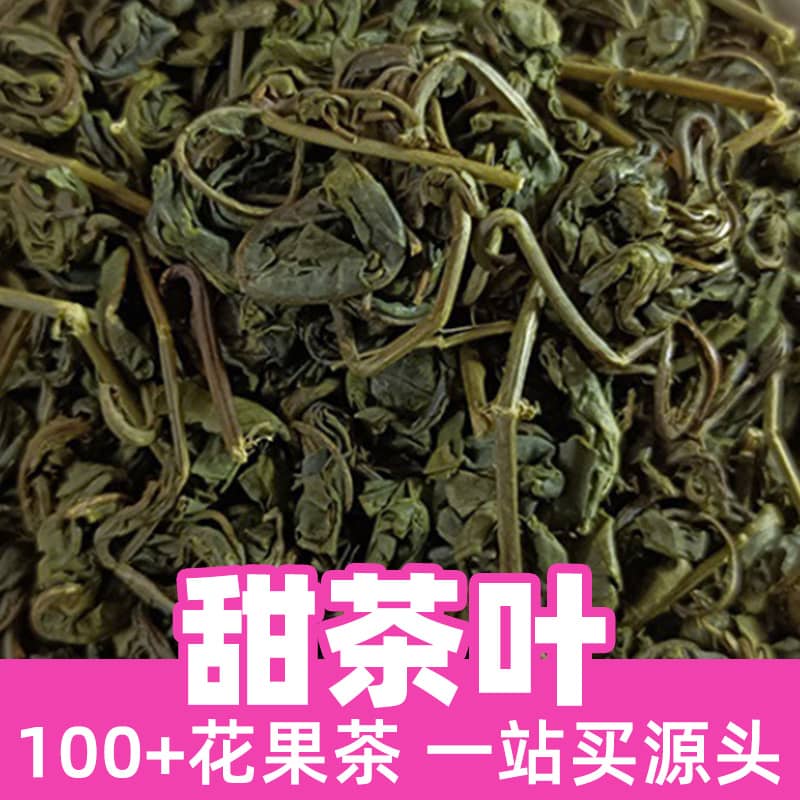
Sweet tea leaf, also known as Stevia, has gained popularity as a natural alternative to sugar. The plant's leaves contain compounds that are many times sweeter than cane sugar but have no calories. This has made sweet tea leaf a preferred choice for health-conscious consumers looking to reduce their sugar intake without losing flavor in their drinks and foods.
Nutritional Components
The primary components of sweet tea leaf are steviol glycosides, which are responsible for its sweet taste. These glycosides include stevioside and rebaudioside A, both recognized for their sweetness. Apart from its sweetening properties, sweet tea leaf also contains antioxidants and vitamins, contributing to overall health benefits.
Production Process
The production process of sweet tea leaf begins with the cultivation of the Stevia rebaudiana plant in suitable environments. Once the leaves reach maturity, they are harvested and thoroughly washed to remove impurities. The leaves can be dried, either in the sun or through controlled methods, before being processed into powders or extracts. This ensures the preservation of their natural sweetness and nutritional components.
Application Scenarios
Sweet tea leaf can be used in a variety of scenarios, particularly in the food and beverage industry. It is ideal as a sweetener for teas, coffees, and smoothies. Many food manufacturers incorporate it into desserts, yogurt, and even baked goods. Health-focused beverage brands use it as a sugar substitute, allowing consumers to enjoy sweetness without added calories.
Plant Source
The sweet tea leaf is derived from the Stevia rebaudiana plant, which is native to the subtropical and tropical regions of South America. This plant has been used for centuries by indigenous peoples for its sweetening properties. It thrives best in well-drained soil with adequate sunlight, which contributes to the high quality of the leaves.
Packaging and Storage
Storage conditions for sweet tea leaf are essential to keeping it fresh. The product should be sealed in a light-proof container and kept in a dry, cool, and well-ventilated area. Packaging options are available, such as bulk packaging in 25 kg fiber drums, while smaller samples can be found in 1 kg aluminum foil bags. Custom packaging can also be arranged as required.
- 【Storage Conditions】 The product should be sealed, protected from light, stored in a dry, cool, and well-ventilated place.
- 【Packaging】 Bulk: 25 kg per fiber drum; Sample: 1 kg per aluminum foil bag; Custom packaging available upon request.
- 【Transportation】 FedEx, DHL, dedicated logistics, and sea freight consolidation.
- 【Shelf Life】 Two years.

Monica Sun is a seasoned expert in the natural raw materials industry, with over a decade of experience specializing in traditional Chinese medicinal herbs, spices, and fungi. She is skilled in the sourcing, processing, and application of these materials, emphasizing sustainability and innovation. Monica Sun has contributed to the development of high-quality natural raw materials that serve as essential components in functional foods, pharmaceuticals, and cosmetics, delivering tailored solutions to meet diverse market needs.