


Product Introduction
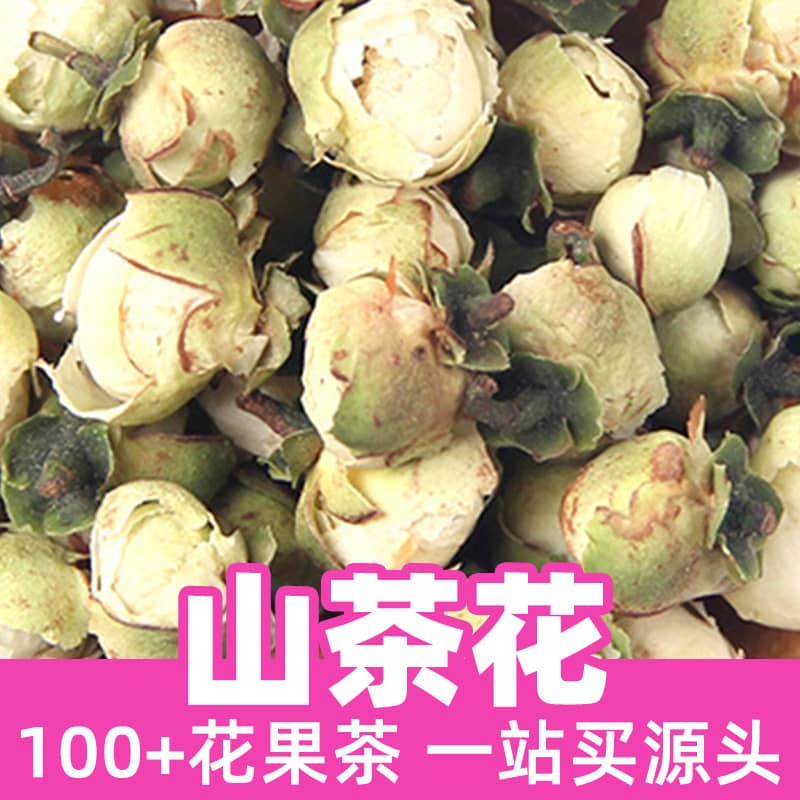
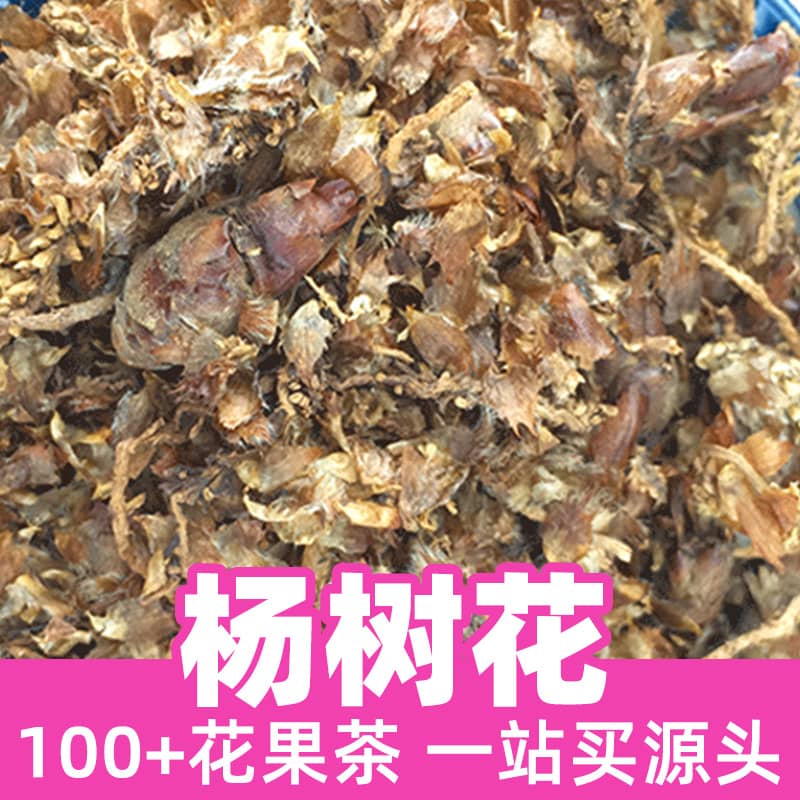
Poplar flower is derived from the balsam poplar tree, known for its distinctive aromatic blooms. These flowers exhibit a sweet and resinous scent, making them an appealing ingredient in various herbal tea blends. Traditionally, poplar flowers have been utilized for their potential health benefits, such as anti-inflammatory properties and antioxidant activity. The flowers are often gathered in spring when they are fresh and full of essential oils, contributing to their unique flavor profile.
Nutritional Components
Poplar flowers contain a variety of nutrients that may contribute to health, including vitamins A and C, which support immune function and skin health. Additionally, these flowers are known for their flavonoids, which play a role in reducing oxidative stress and inflammation in the body. Phenolic acids found in poplar flowers may also support overall wellness by acting as antioxidants. Trace minerals in the flowers, such as calcium, magnesium, and potassium, contribute to the nutritional profile, potentially helping with various bodily functions.
Production Process
The production of poplar flower tea begins with the careful selection of flowers during their peak blooming season. The flowers are typically harvested by hand to ensure quality and minimize damage. After harvesting, they undergo a quick drying process to preserve their aromatic qualities and nutritional components. The dried flowers are then packaged for sale, ensuring they remain protected from moisture and light to maintain their freshness and efficacy.
Application Scenarios
Poplar flowers can be brewed alone or combined with other herbs to create flavorful and aromatic infusions. These teas can be enjoyed hot or iced, often serving as a soothing beverage for relaxation. Beyond drinks, poplar flowers may also be used in culinary applications, such as flavoring desserts or enhancing sauces with their unique taste. Additionally, they can be incorporated into herbal remedies aimed at supporting respiratory health and promoting overall well-being.
Plant Source
The balsam poplar, known scientifically as Populus balsamifera, thrives in wetland areas and along riverbanks. Native to North America, these trees are robust and can grow to significant heights, developing clusters of flowers during the spring. The flowers are integral to the tree’s reproduction, and collectors typically gather them just as the blooms start to open. Sustainable harvesting practices are important to ensure the health of poplar populations and preserve their natural habitat.
Packaging and Storage
Packaging for poplar flowers is crucial for maintaining quality and freshness. The product is available in bulk options of 25 kg per fiber drum, while smaller samples are provided in 1 kg aluminum foil bags. These packaging methods help protect the flowers from light and moisture. For optimal storage, keeping the flowers in a cool, dry, and well-ventilated area is recommended, while maintaining an airtight seal to prolong shelf life. Poplar flowers generally have a shelf life of two years when stored correctly.

Monica Sun is a seasoned expert in the natural raw materials industry, with over a decade of experience specializing in traditional Chinese medicinal herbs, spices, and fungi. She is skilled in the sourcing, processing, and application of these materials, emphasizing sustainability and innovation. Monica Sun has contributed to the development of high-quality natural raw materials that serve as essential components in functional foods, pharmaceuticals, and cosmetics, delivering tailored solutions to meet diverse market needs.