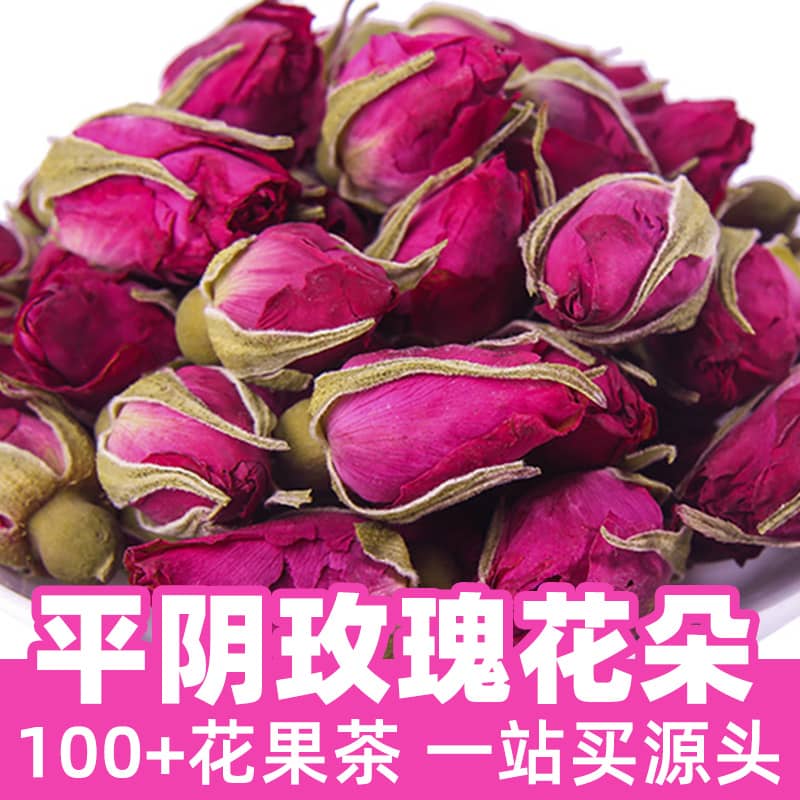



Product Introduction
Osmanthus tea is derived from the flowers of the Osmanthus plant. Known for its fragrant blooms, Osmanthus is a small shrub that can be used both in beverages and culinary items. The tea made from these flowers has gained popularity in different cultures for its unique flavor and aromatic properties. It offers a gentle and soothing drink, ideal for relaxation.
Nutritional Components
Osmanthus tea contains a variety of beneficial compounds. It is rich in essential oils which contribute to its distinct flavor and aroma. Flavonoids found in Osmanthus are known for their antioxidant properties. These nutrients help in combating oxidative stress, promoting overall health. Additionally, Osmanthus has been noted for its mild calming effects, possibly due to its chemical composition.
Production Process
The production of Osmanthus tea begins with the harvesting of the flowers when they are fully bloomed. These flowers are then gently dried to maintain their flavor and aroma. After drying, the flowers can be packaged for sale or blended with other teas to enhance various flavors. Careful processing is key to preserving the essential oils and antioxidants, which are critical for maintaining the tea's quality.
Application Scenarios
Osmanthus tea can be enjoyed at any time of the day. It is often consumed alone or can be blended with green or black teas for enhanced flavor profiles. Additionally, it is commonly used in Asian desserts, bringing a floral note to dishes. Offering a soothing experience, it is also popular as a calming drink during stressful times.
Plant Source
The Osmanthus plant grows in a variety of environments, thriving in subtropical and temperate climates. It requires well-drained soil and can tolerate drought, making it relatively easy to cultivate. Various species of Osmanthus exist, but the fragrant flowers are most valued for tea production. The blossoms are usually harvested in late summer to early fall when their scent is strongest.
Packaging and Storage
Osmanthus tea is typically packaged in bulk or sample sizes for consumer convenience. Bulk packaging often includes 25 kg per fiber drum, while a sample might be found in 1 kg aluminum foil bags. Custom packaging options are also available based on client needs.
- 【Storage Conditions】 The product should be sealed, protected from light, stored in a dry, cool, and well-ventilated place.
- 【Transportation】 Transportation can include services such as FedEx, DHL, dedicated logistics, and sea freight options.
- 【Shelf Life】 The shelf life of Osmanthus tea is generally two years when stored properly.

Monica Sun is a seasoned expert in the natural raw materials industry, with over a decade of experience specializing in traditional Chinese medicinal herbs, spices, and fungi. She is skilled in the sourcing, processing, and application of these materials, emphasizing sustainability and innovation. Monica Sun has contributed to the development of high-quality natural raw materials that serve as essential components in functional foods, pharmaceuticals, and cosmetics, delivering tailored solutions to meet diverse market needs.