


Product Introduction
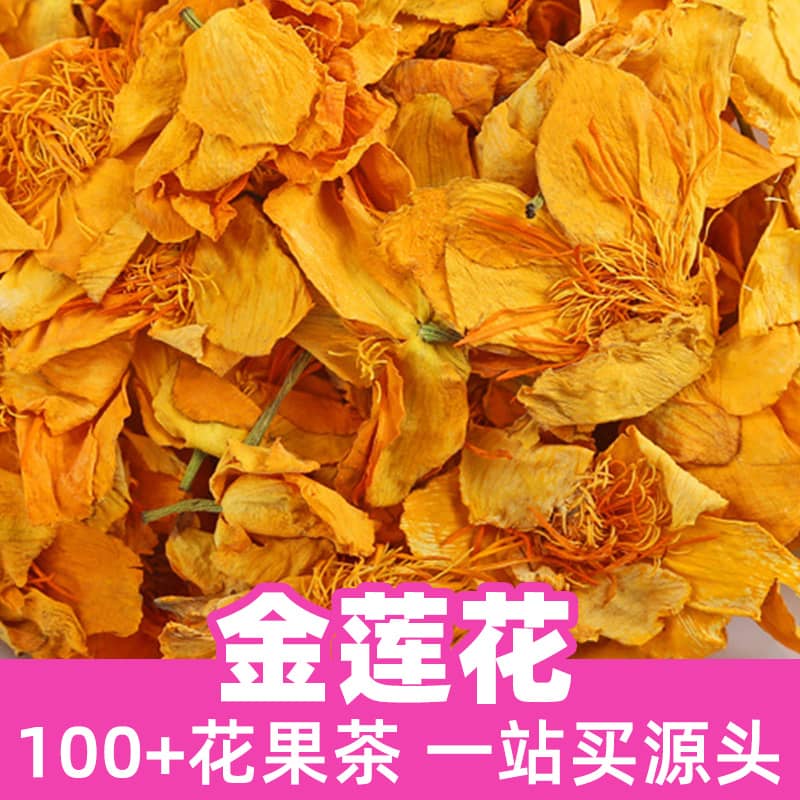
Nasturtium flowers are vibrant and colorful additions to gardens and plates. Not only do these flowers beautify dishes, but they also offer unique flavors that enhance a variety of culinary creations. Their mild peppery taste makes them a favorite among chefs who wish to combine aesthetics with flavor. Furthermore, nasturtium has a long history of use in traditional medicine, highlighting its versatility as a herbal remedy.
Nutritional Components
Nasturtium flowers are known for their high content of vitamins and minerals. They are particularly rich in vitamin C, which is crucial for immune function and skin health. Additionally, they contain vitamin A, essential for vision and skin integrity, along with beneficial compounds that act as antioxidants, helping to combat oxidative stress. Minerals like iron and calcium also contribute to their health benefits, making them a valuable addition to diets.
Production Process
The production of nasturtium flowers involves careful cultivation and harvesting to maintain their quality. They are grown in well-draining soil and require adequate sunlight and water. Once harvested, the flowers are typically dried gently to preserve their flavor, color, and nutritional content. This drying process can vary but often includes air drying or using dehydrators to ensure a product that is suitable for storage and use in teas and culinary applications.
Application Scenarios
Nasturtium flowers can be used in various scenarios. In the kitchen, they serve as striking garnishes for salads, soups, and even cocktails. They can be used fresh or dried in herbal teas, adding not just color but also a distinct flavor profile. Additionally, these flowers have been traditionally used in herbal medicine to help with respiratory health, infections, and even as a natural antibiotic, showcasing their versatility beyond the culinary world.
Plant Source
The source of nasturtium flowers lies in their native regions, which span from Central and South America to parts of Europe. They flourish in temperate climates and are often grown in domestic gardens for both ornamental and culinary purposes. Their hardy nature allows them to thrive in various soil types, although well-draining, slightly poor soils produce the best flavor.
Packaging and Storage
Nasturtium flowers are packaged to ensure their quality and longevity. For bulk orders, they are typically stored in fiber drums with a net weight of around 25 kg. Smaller samples may be packaged in aluminum foil bags weighing about 1 kg, with the option for custom packaging available on request. Proper storage conditions require sealing the product in airtight containers, protecting it from light, and keeping it in a dry, cool, and well-ventilated place to maintain freshness. The shelf life of dried nasturtium flowers is two years when stored correctly.

Monica Sun is a seasoned expert in the natural raw materials industry, with over a decade of experience specializing in traditional Chinese medicinal herbs, spices, and fungi. She is skilled in the sourcing, processing, and application of these materials, emphasizing sustainability and innovation. Monica Sun has contributed to the development of high-quality natural raw materials that serve as essential components in functional foods, pharmaceuticals, and cosmetics, delivering tailored solutions to meet diverse market needs.