


Nutritional Components
Mulberry leaf tea is rich in essential vitamins such as A, C, and K, which play crucial roles in maintaining immune function and skin health. It also contains several minerals, including calcium, magnesium, and iron, contributing to overall bodily functions. One notable component is the presence of flavonoids and alkaloids, which are antioxidants that help combat oxidative stress. Additionally, it contains dietary fiber, aiding in digestion and promoting gut health.
Production Process
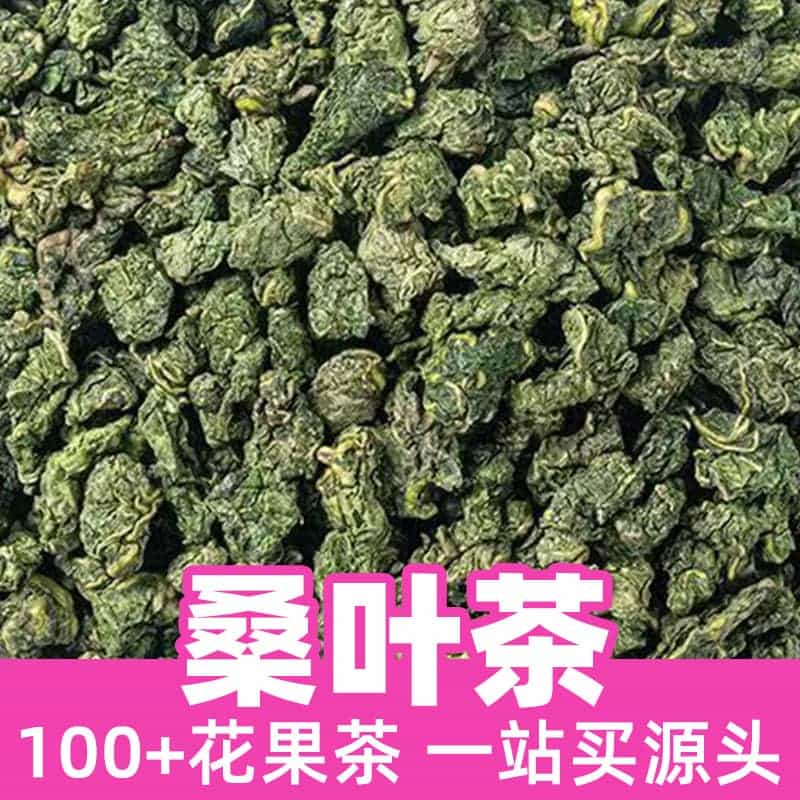
The production of mulberry leaf tea typically involves harvesting the mature leaves of the mulberry tree. Once harvested, the leaves are carefully washed to remove any contaminants. After washing, the leaves are either air-dried or mechanically dried to retain their nutritional properties. The drying process must be closely monitored to prevent degradation of active compounds. After drying, the leaves can be cut into smaller pieces or ground for easier brewing. Finally, the processed leaves are packaged for distribution.
Application Scenarios
Mulberry leaf tea can be enjoyed in various scenarios, such as during a quiet moment at home, as part of a wellness routine, or served during social gatherings as a herbal beverage. It can also be incorporated into healthy recipes, such as smoothies or herbal infusions. In some cultures, it might be used in traditional medicine practices for its purported benefits. The tea is versatile and can be consumed hot or cold, depending on personal preference.
Plant Source
Mulberry trees (Morus alba) are deciduous trees that thrive in temperate and subtropical climates. They are often cultivated for their fruit, but the leaves have been traditionally used for tea, particularly in Asian countries. These trees grow well in various soil types and require sufficient sunlight and water to flourish. The rich variety of nutrients found in the leaves is influenced by the environmental conditions under which the trees are grown.
Packaging and Storage
Mulberry leaf tea is typically packaged in moisture-resistant materials to preserve its quality. Bulk packaging options often include 25 kg fiber drums, while smaller samples are available in 1 kg aluminum foil bags. Custom packaging solutions can be requested to meet specific market needs. For optimal freshness and quality, storage conditions should be cool, dry, and free from direct light exposure. The tea has a shelf life of two years when stored properly.

Monica Sun is a seasoned expert in the natural raw materials industry, with over a decade of experience specializing in traditional Chinese medicinal herbs, spices, and fungi. She is skilled in the sourcing, processing, and application of these materials, emphasizing sustainability and innovation. Monica Sun has contributed to the development of high-quality natural raw materials that serve as essential components in functional foods, pharmaceuticals, and cosmetics, delivering tailored solutions to meet diverse market needs.