


Nutritional Components
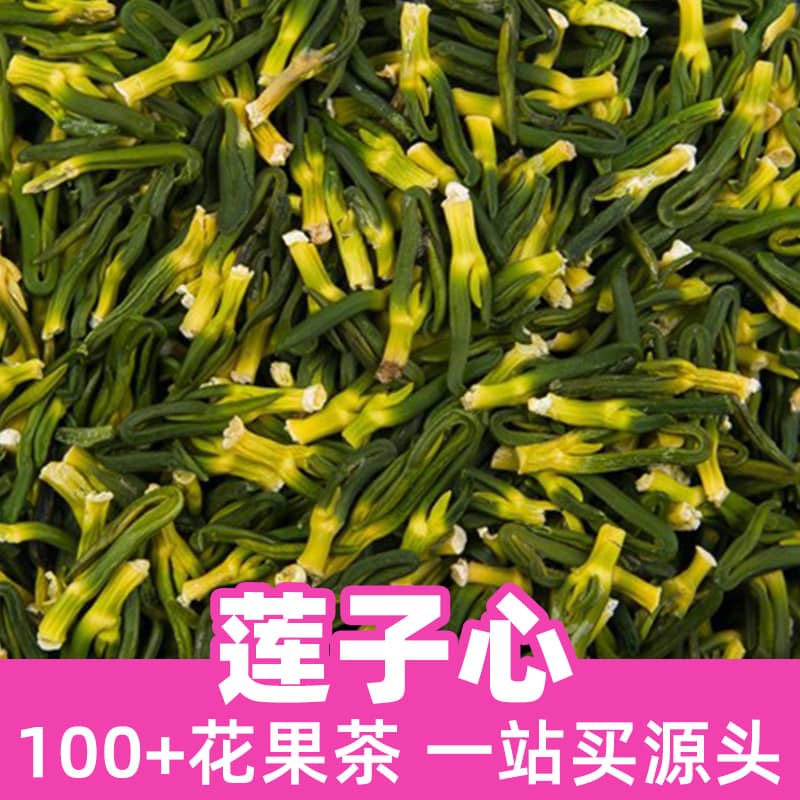
Lotus plumule is known for its diverse range of nutrients. It is a source of high-quality protein, making it beneficial for muscle health and overall body maintenance. The presence of B vitamins contributes to energy metabolism and the functioning of the nervous system. Additionally, minerals such as potassium and iron are vital for maintaining cardiovascular health and facilitating oxygen transport in the blood. The antioxidants found in lotus plumule help combat oxidative stress, potentially lowering the risk of chronic diseases.
Production Process
The production of lotus plumule involves both cultivation of the lotus plant and careful harvesting of its seeds. Once the lotus seeds are harvested, they undergo a process of soaking to facilitate germination. After germination, the tender shoots are harvested at an optimal stage to ensure flavor and nutritional content are preserved. The harvested plumule is then cleaned, dried, and packaged using methods that prevent loss of quality.
Application Scenarios
Lotus plumule can be incorporated into various culinary applications. It is often brewed into herbal teas for a light and refreshing drink that promises relaxation and health benefits. In addition, lotus plumule is used in soups and broths, adding a unique flavor and nutritional boost. It can also be included in desserts, providing not only a taste element but also added texture and health benefits.
Plant Source
Lotus plumule is sourced from the Nelumbo nucifera, a plant deeply rooted in aquatic ecosystems. This plant thrives in shallow waters and requires a specific temperature range for optimal growth. Harvesting often takes place in regions where the lotus flower blooms, as this signifies the seed's maturity and suitability for plumule extraction.
Packaging and Storage
Proper packaging is crucial for maintaining the quality of lotus plumule. The product is usually packed in bulk or smaller quantities to facilitate easy distribution. It is important to store lotus plumule in sealed containers, safeguarded from light and moisture. Best practices for storage involve keeping the product in a dry, cool, and well-ventilated area. If stored properly, lotus plumule can have a shelf life of up to two years.

Monica Sun is a seasoned expert in the natural raw materials industry, with over a decade of experience specializing in traditional Chinese medicinal herbs, spices, and fungi. She is skilled in the sourcing, processing, and application of these materials, emphasizing sustainability and innovation. Monica Sun has contributed to the development of high-quality natural raw materials that serve as essential components in functional foods, pharmaceuticals, and cosmetics, delivering tailored solutions to meet diverse market needs.