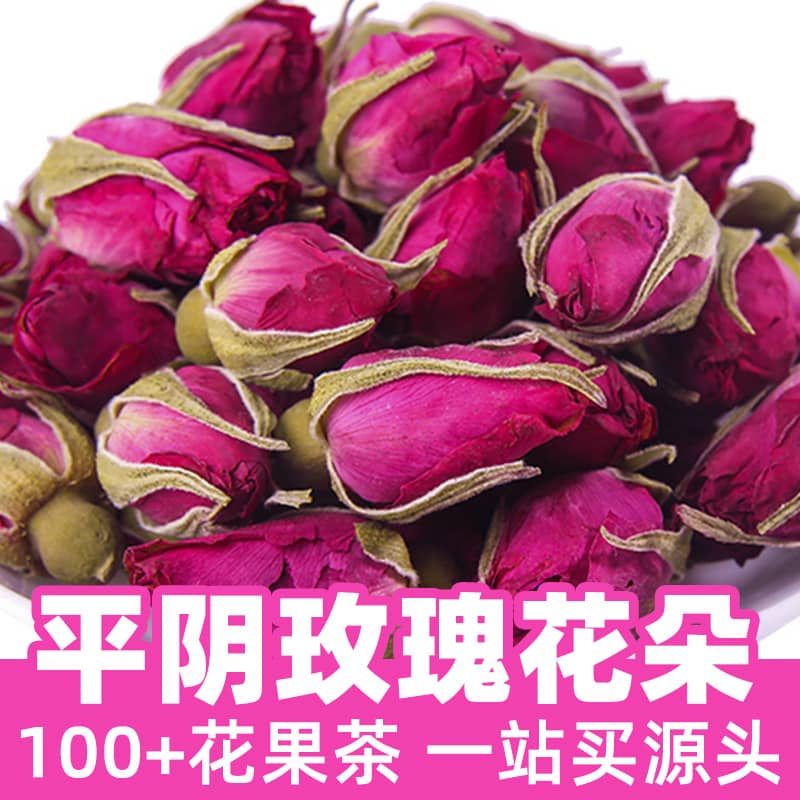



Product Introduction
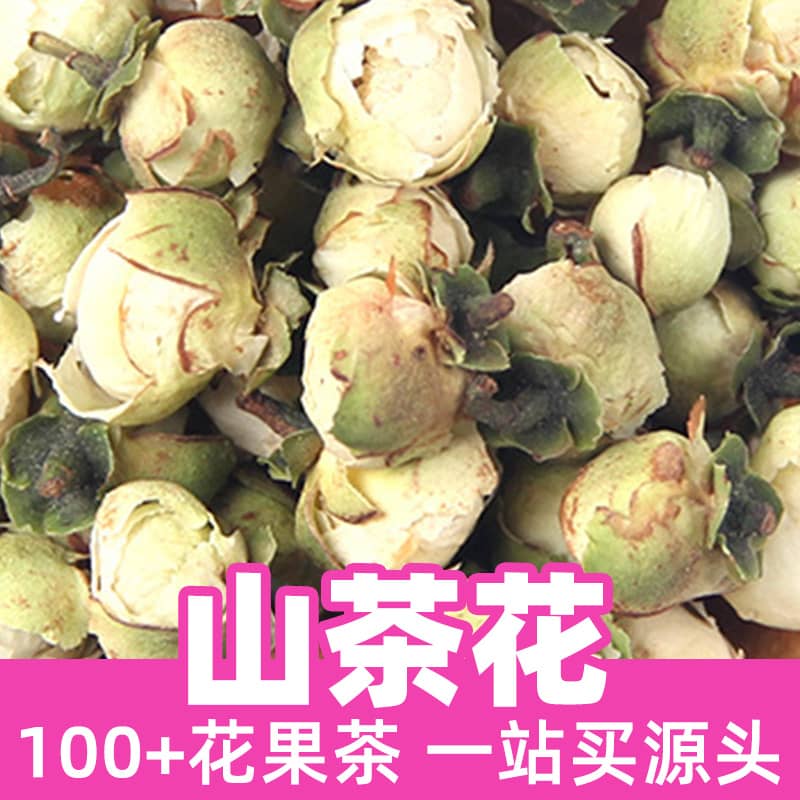
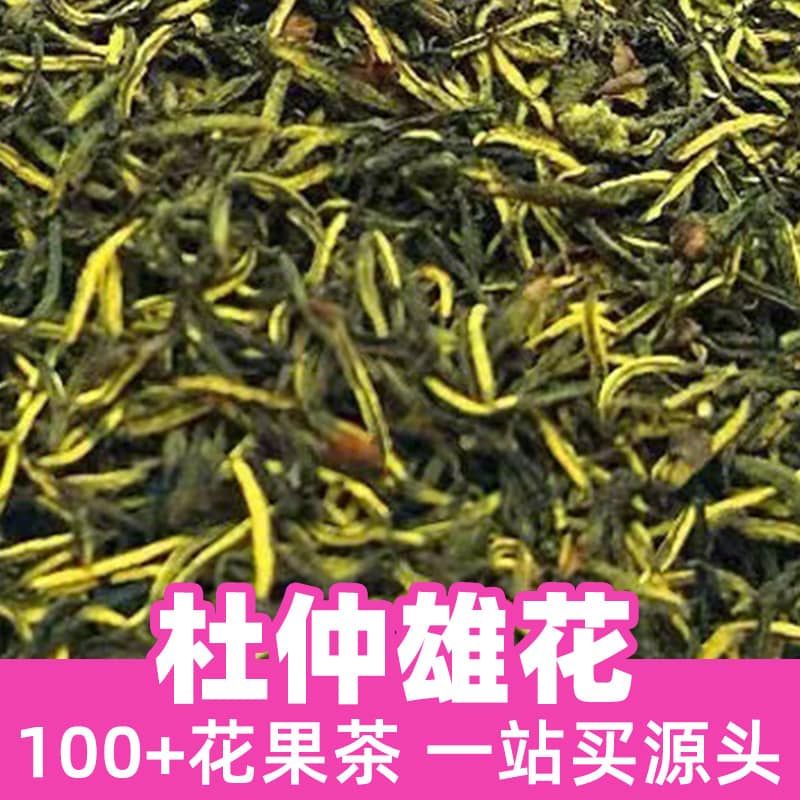
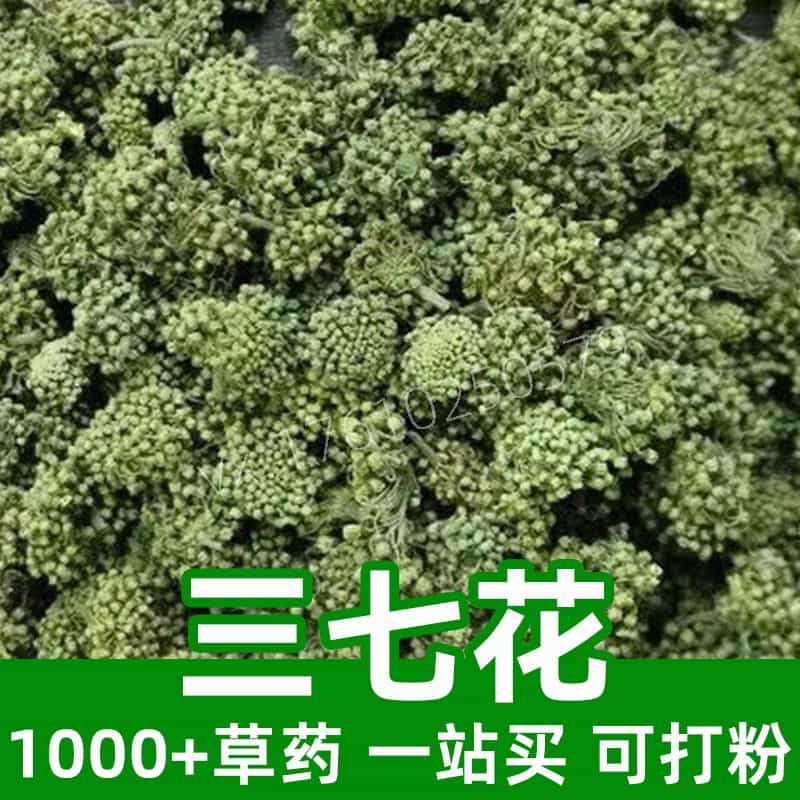
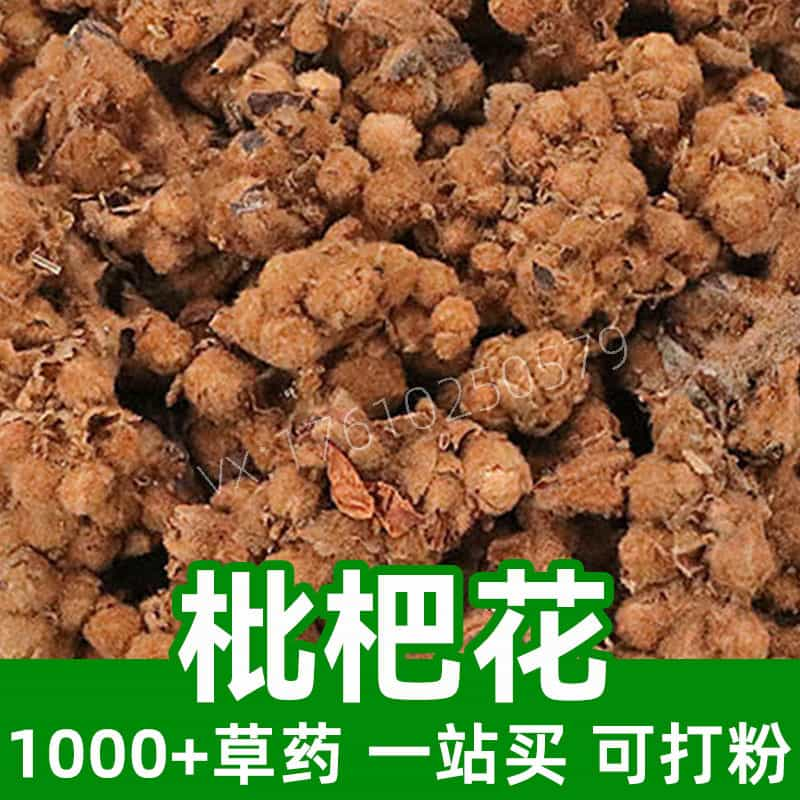
Flower tea is a delightful infusion made from various dried flowers, offering a range of flavors, aromas, and colors. Typically enjoyed hot or cold, flower teas are not only refreshing but also provide numerous health benefits attributed to their rich nutritional components. The diversity of flowers used allows for a different experience with each blend, making flower tea a popular choice among herbal tea enthusiasts. Each type of floral infusion may offer unique benefits, making it a versatile addition to any tea lover's collection.
Nutritional Components
The nutritional value of flower tea varies based on the type of flowers used. For example, hibiscus tea is known for its high vitamin C content and antioxidant properties, while chamomile contains apigenin, a compound associated with relaxation. Most flower teas are low in calories and free from caffeine, which makes them a healthy choice for hydration. The vitamins, minerals, and antioxidants present in these flowers contribute to numerous health benefits, such as improved digestion and enhanced immune function.
Production Process
The production of flower tea typically involves several steps beginning with the harvesting of flowers at their peak blooming time to capture their flavor and aroma. The flowers are then cleaned, often dried through methods like air drying or oven drying, ensuring that they retain their color and nutritional qualities. After drying, the flowers may be blended with other ingredients, such as herbs or spices, to create unique flavor profiles. The final product is usually packaged in airtight containers to maintain freshness.
Application Scenarios
Flower tea can be enjoyed in a variety of settings, making it quite versatile. It is commonly sipped during afternoon tea or served at social gatherings, providing a fragrant and visually appealing beverage option. Additionally, flower tea may be used in culinary applications, such as flavoring desserts or making refreshing cocktails. The potential calming effects of chamomile or the vibrant color of hibiscus tea can also make it a popular choice for health-focused restaurants and cafes.
Plant Source
The source of flower tea encompasses a wide range of flowering plants, each contributing distinct characteristics. Common flowers used include hibiscus, chamomile, elderflower, and jasmine. Each species has unique cultivation requirements and flavor profiles, reflecting its native environment. The diverse nurseries and farms dedicated to growing these flowers ensure a steady supply of high-quality ingredients for flower tea production.
Packaging and Storage
Flower tea is typically packaged to preserve freshness and protect against environmental factors. It is often available in bulk packaging, such as 25 kg fiber drums, or in smaller, consumer-friendly sizes like 1 kg aluminum foil bags. Custom packaging options are usually available to meet specific needs. For storing flower tea, it is essential that it is kept in a cool, dark, and dry place inside an airtight container to prolong its shelf life and maintain optimal flavor. The shelf life of flower tea is usually two years when stored properly, allowing consumers to enjoy it for extended periods.

Monica Sun is a seasoned expert in the natural raw materials industry, with over a decade of experience specializing in traditional Chinese medicinal herbs, spices, and fungi. She is skilled in the sourcing, processing, and application of these materials, emphasizing sustainability and innovation. Monica Sun has contributed to the development of high-quality natural raw materials that serve as essential components in functional foods, pharmaceuticals, and cosmetics, delivering tailored solutions to meet diverse market needs.