


Product Introduction
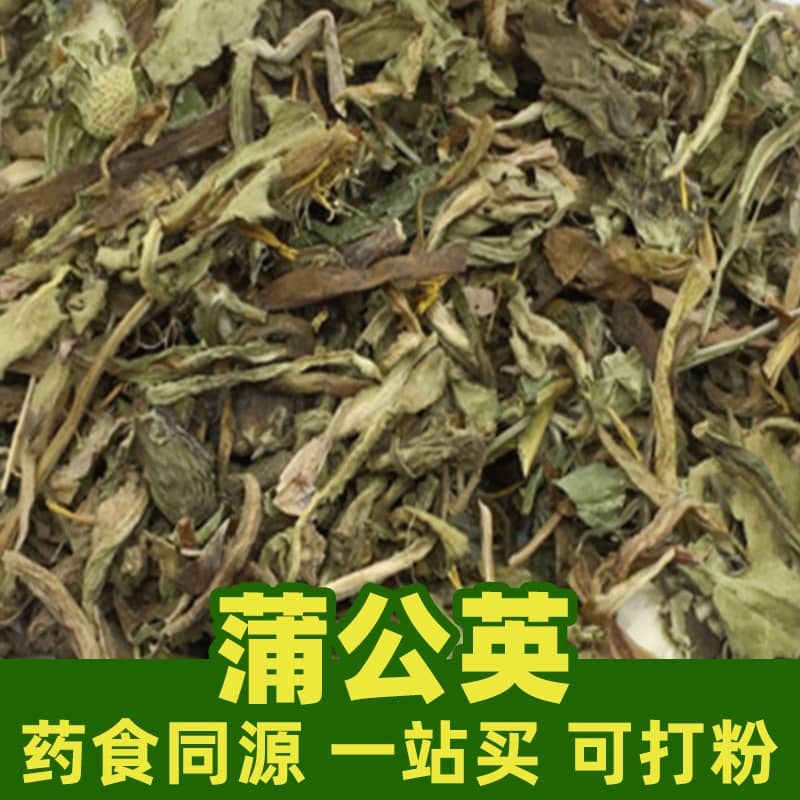
Dandelion tea is an herbal infusion made from various parts of the Taraxacum officinale plant. Known for its potential health benefits, this tea has gained popularity among those seeking natural remedies. The flavor profile is characterized by a mild earthiness and slight bitterness, which some users appreciate as part of its unique charm.
Nutritional Components
Dandelion tea is loaded with essential nutrients. It contains vitamins A, C, E, and K, which are important for various bodily functions. The minerals found in this tea, such as iron, calcium, and potassium, contribute to overall health. Additionally, the presence of antioxidants supports the body's defense against oxidative stress. While specific amounts can vary, the overall nutritional profile generally makes it a healthy choice.
Production Process
The production of dandelion tea typically begins with the harvesting of dandelion leaves, flowers, or roots at the right time for optimal flavor and nutrient content. After harvest, the plant parts are usually dried to ensure preservation of taste and beneficial compounds. Once dried, they may be chopped or ground down to the desired size before packaging. The brewing process at home requires only hot water and the dried dandelion parts, allowing for a simple and enjoyable preparation method.
Application Scenarios
Dandelion tea can be enjoyed at various times throughout the day. It is often consumed in the morning as a caffeine-free alternative to coffee or tea. Many individuals opt for it after meals as it may help with digestion and reduce bloating. Moreover, some people use dandelion tea as part of cleansing routines or side by side with other herbal remedies for detoxifying purposes. Its mild flavor makes it easily adaptable to various taste preferences, allowing for the addition of honey or lemon if desired.
Plant Source
The dandelion plant thrives in diverse environments and is recognizable by its bright yellow flowers and distinct jagged leaves. It grows abundantly in lawns, meadows, and along roadways, making it easily accessible to gather. In herbal practices, the entire plant, including leaves, flowers, and roots, is often utilized, each offering slightly different health benefits. This accessibility has made dandelions a popular choice in herbal medicine traditions around the world.
Packaging and Storage
Dandelion tea is usually packaged to maintain freshness and prevent moisture exposure. Bulk quantities are often supplied in fiber drums, while smaller sample sizes may come in aluminum foil bags. Proper storage is critical; it is recommended to keep it in a sealed container in a dry, cool, and well-ventilated area to prolong its potency. This approach ensures that the tea remains flavorful and beneficial for up to two years.

Monica Sun is a seasoned expert in the natural raw materials industry, with over a decade of experience specializing in traditional Chinese medicinal herbs, spices, and fungi. She is skilled in the sourcing, processing, and application of these materials, emphasizing sustainability and innovation. Monica Sun has contributed to the development of high-quality natural raw materials that serve as essential components in functional foods, pharmaceuticals, and cosmetics, delivering tailored solutions to meet diverse market needs.