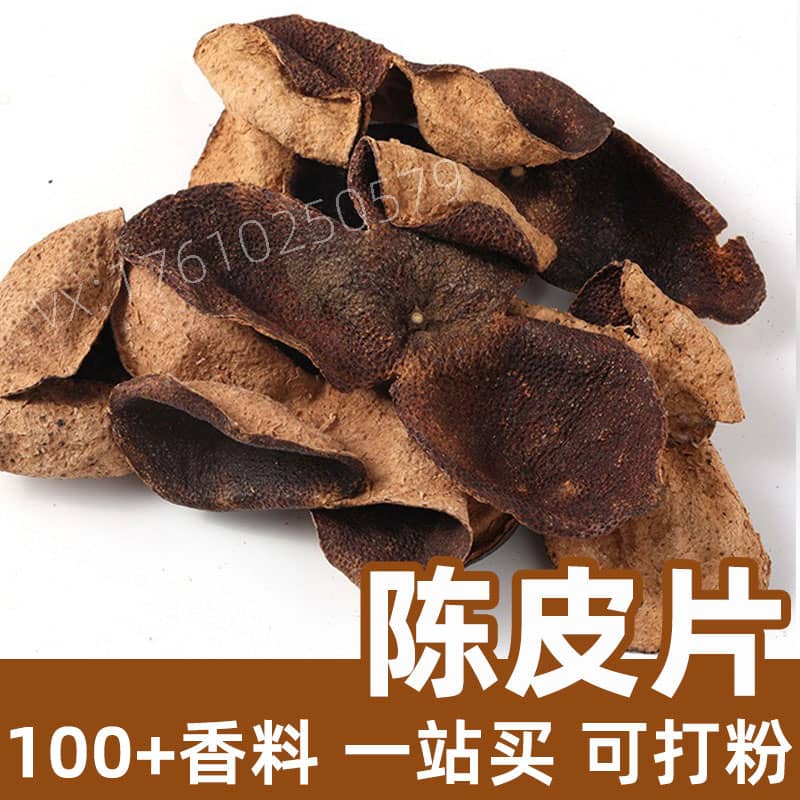



Product Introduction
Curry leaves are the leaves of the curry tree, characterized by a dark green, pinnate structure. Widely used as a common spice and seasoning, they are a staple in Indian and Asian cuisine, adding a rich, distinctive curry flavor to dishes.
The main components of curry leaves include essential oils and phenolic compounds, which give them their unique aroma and flavor. Curry leaves also contain nutrients like vitamins, minerals, and antioxidants, contributing to their nutritional value.
Aromatic Chemical Components
The aroma of curry leaves is primarily derived from essential oil components, including compounds such as β-caryophyllene and β-ocimene. These elements provide curry leaves with their signature curry scent and distinctive taste.
Product Varieties
Curry leaves typically appear as dark green pinnate leaves. Depending on their use and processing, they can be categorized into fresh curry leaves, dried curry leaves, and curry leaf powder.
- Fresh Curry Leaves: Unprocessed leaves used in cooking, providing a strong aroma and flavor.
- Dried Curry Leaves: Sun-dried or dehydrated leaves that have a longer shelf life but with a slightly milder aroma and flavor.
- Curry Leaf Powder: Ground from dried curry leaves, making it convenient for seasoning and spice blends.
Applications and Usage
Curry leaves have widespread applications in cooking, especially in Indian and Asian dishes. Common uses and dosages include:
- Stir-Frying and Soups: Curry leaves can be used in stir-frying, soups, and stews to add a rich curry flavor. The quantity of curry leaves can be adjusted according to individual taste and the dish's requirements.
- Seasonings: Fresh or dried curry leaves can be used in various spice blends, like curry powder and curry paste. They can be chopped or ground and mixed with other seasonings.
- Mouth Freshener: According to some traditional medicinal theories, curry leaves have cooling and detoxifying properties. Chewing a few leaves after meals is sometimes used as a natural mouth freshener.
Source Plant, Distribution, and Growth Conditions
Curry leaves come from the curry tree (*Murraya koenigii*), which belongs to the Rutaceae family. Native to India and Sri Lanka, the curry tree is now widely cultivated and naturally distributed in tropical regions across Asia.
The curry tree is a small tree, typically 2-6 meters tall, with gray bark. It thrives in warm, humid climates and rich, organic soil, with an ideal growth temperature of 20-30°C.
Harvesting, Processing, and Storage
Curry leaves are usually picked fresh as needed. Fresh leaves can be used immediately, while excess leaves can be air-dried or dehydrated for storage.
To preserve the quality and shelf life of curry leaves, store them in a refrigerator’s vegetable compartment or in a dry, ventilated environment. Fresh curry leaves can last for a few days to a week, while dried leaves and powder can be stored for several months to a year.

Monica Sun is a seasoned expert in the natural raw materials industry, with over a decade of experience specializing in traditional Chinese medicinal herbs, spices, and fungi. She is skilled in the sourcing, processing, and application of these materials, emphasizing sustainability and innovation. Monica Sun has contributed to the development of high-quality natural raw materials that serve as essential components in functional foods, pharmaceuticals, and cosmetics, delivering tailored solutions to meet diverse market needs.