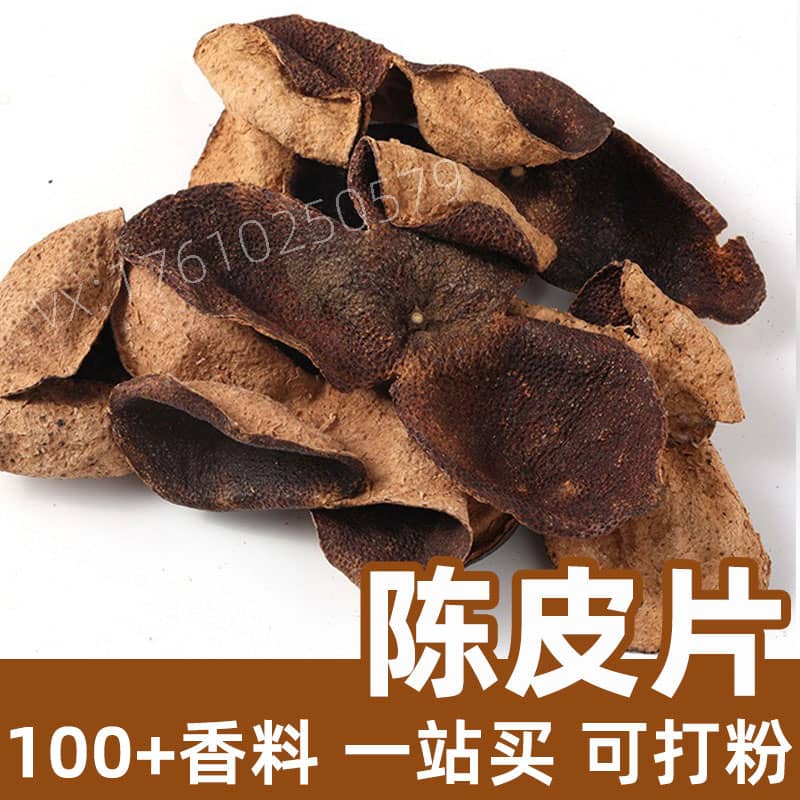



Product Overview
Arrow orange leaf refers to the leaves of the arrow orange tree (Latin name: Citrus x sinensis). These leaves have a unique shape, being long and narrow, with a dark green, glossy appearance.
The aroma of arrow orange leaves comes from their chemical components, including neral and limonene. These compounds give arrow orange leaves their distinctive fragrance and taste.
Aroma and Chemical Components
The aroma of arrow orange leaves mainly originates from compounds like neral and limonene, which impart a unique citrus fragrance and fresh flavor.
Types of Product
Arrow orange leaves are available in leaf form. Depending on maturity and source, arrow orange leaves come in two forms: fresh and dried.
- Fresh Arrow Orange Leaves: These are unprocessed leaves, retaining their natural flavor and qualities.
- Dried Arrow Orange Leaves: These are processed through drying, offering a longer shelf life and stronger aroma.
Usage Scenarios and Dosage
Arrow orange leaves are widely used in tea, as a flavoring, and in herbal remedies. Common uses include:
- Tea: Arrow orange leaves can be brewed into tea, adding a citrus aroma and flavor. They can be brewed alone or mixed with other teas for a unique taste.
- Flavoring: The fragrance and taste of arrow orange leaves make them excellent for seasoning. They can be ground into powder and sprinkled on dishes or desserts to add a citrusy aroma and flavor.
- Herbal Use: Arrow orange leaves are also used as an herbal ingredient with potential health benefits, such as easing stress or aiding digestion.
When using arrow orange leaves, adjust the quantity based on personal taste and specific recipe requirements. It’s recommended to start with a small amount and adjust as needed.
Source Plant, Distribution, and Growing Environment
Arrow orange leaves come from the arrow orange tree, known scientifically as *Citrus x sinensis*. This species belongs to the citrus genus and primarily grows in tropical and subtropical regions.
The arrow orange tree thrives in warm, humid climates and prefers fertile, well-draining soil. In favorable conditions, it grows vigorously and produces edible arrow oranges.
Harvesting, Processing, and Storage
The harvesting and processing of arrow orange leaves vary by region and use. Generally, mature arrow orange leaves are picked and processed through drying.
To preserve freshness and quality, store arrow orange leaves in a dry, cool place, ideally in an airtight container, and avoid exposure to direct sunlight.

Monica Sun is a seasoned expert in the natural raw materials industry, with over a decade of experience specializing in traditional Chinese medicinal herbs, spices, and fungi. She is skilled in the sourcing, processing, and application of these materials, emphasizing sustainability and innovation. Monica Sun has contributed to the development of high-quality natural raw materials that serve as essential components in functional foods, pharmaceuticals, and cosmetics, delivering tailored solutions to meet diverse market needs.