


Product Introduction
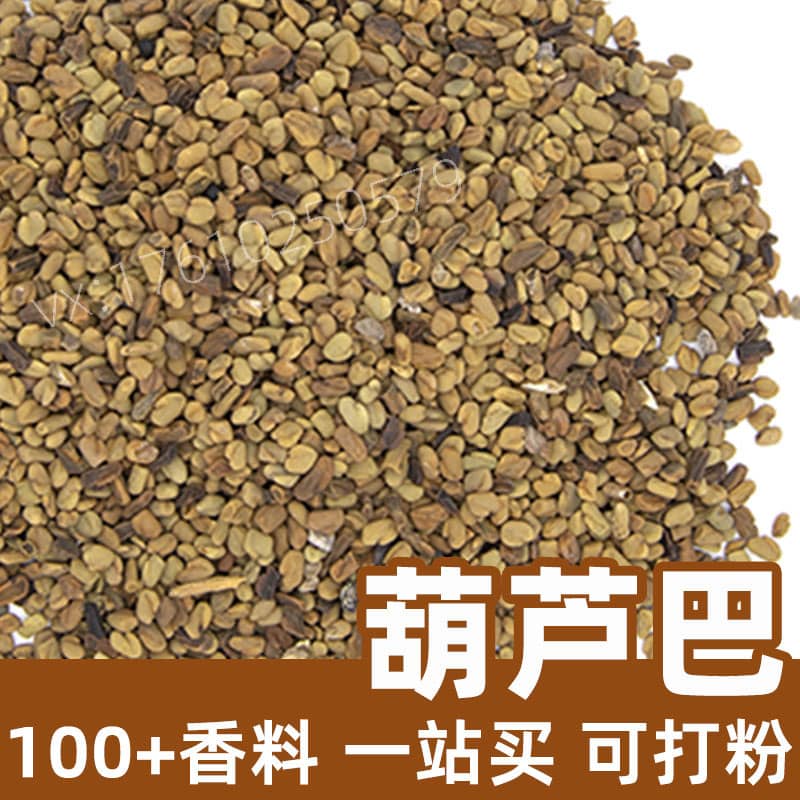
Basil seeds are derived from the basil plant, a common herb widely used in cooking and medicine. Basil seeds are typically small and round, appearing black or dark brown.
While the seeds of the basil plant do not have a strong fragrance, they are packed with nutritional value. Basil seeds are rich in nutrients such as protein, fat, fiber, and vitamins, making them a nutritious food.
Product Varieties
Basil seeds are typically categorized by their color and size. Here are some common varieties of basil seeds:
- Black Basil Seeds: These are the most common type of basil seeds, with a darker, black color.
- Light-Colored Basil Seeds: These basil seeds are lighter in color, ranging from light yellow to light brown.
While these different colored basil seeds may vary slightly in nutrient content, they can be chosen based on personal preference and recipe requirements.
Product Usage Scenarios and Dosage
Basil seeds are commonly used in food to add texture and nutrition. Here are some common usage scenarios and dosages:
- Beverages: Basil seeds are often used as an ingredient in beverages, such as lemon basil seed water. By soaking basil seeds in cool water for a short time, a refreshing drink can be obtained with a lemon-like flavor and a subtle texture.
- Desserts and Baked Goods: Basil seeds can be used as a garnish for desserts and baked goods to add color and texture. Sprinkling basil seeds on top of desserts or pastries provides a unique visual and textural experience.
- Healthy Eating: Basil seeds are believed to offer various health benefits, such as aiding digestion, lowering blood sugar, and improving cardiovascular health. Basil seeds can be added to salads, smoothies, yogurt, and other foods to increase nutritional value and texture.
When using basil seeds, the amount should be adjusted based on personal taste and recipe requirements. In general, a moderate amount of basil seeds can add color and texture to food, enriching the taste and nutritional value.
Plant Introduction, Distribution, and Growing Environment
The scientific name of the basil plant is Ocimum basilicum. It is a perennial herbaceous plant native to Asia. It is now widely cultivated globally.
Basil plants typically grow in warm climates and require ample sunlight and moderate water. They can be grown in gardens, fields, or pots and can thrive in suitable environments.
Basil leaves are widely used as a spice and herb, while the seeds, basil seeds, are used in food and beverages, providing unique flavors and nutrition.
Harvesting, Processing, and Storage
Basil seeds are typically harvested after the basil plant flowers. Mature basil seeds can be collected by picking or cutting the flower spikes.
To maintain the freshness and quality of basil seeds, they should be stored in a dry, cool, and well-ventilated environment. Basil seeds should be stored in airtight containers, away from direct sunlight and moisture. Proper storage can extend the shelf life of basil seeds and preserve their flavor and nutritional stability.

Monica Sun is a seasoned expert in the natural raw materials industry, with over a decade of experience specializing in traditional Chinese medicinal herbs, spices, and fungi. She is skilled in the sourcing, processing, and application of these materials, emphasizing sustainability and innovation. Monica Sun has contributed to the development of high-quality natural raw materials that serve as essential components in functional foods, pharmaceuticals, and cosmetics, delivering tailored solutions to meet diverse market needs.