


Product Introduction
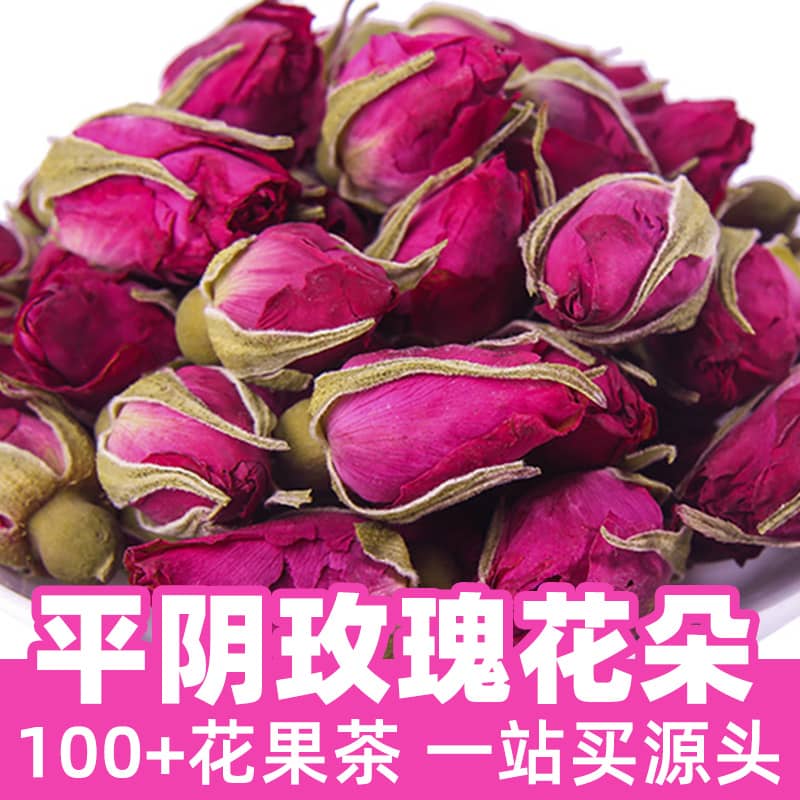
Cotton rose, also known as hibiscus, is a flowering plant recognized for its striking red petals and unique flavor profile. The plant belongs to the Malvaceae family and is well-known for its use in herbal tea blends across various cultures. Cotton rose tea has gained popularity as a refreshing beverage with a tart flavor reminiscent of cranberries. The deep red color of the petals not only adds visual appeal to the tea but also signifies its rich nutrient content.
Nutritional Components
Cotton rose is packed with beneficial nutritional components. It is particularly rich in vitamin C, which is essential for immune function, skin health, and antioxidant protection. Additionally, it contains various antioxidants, including anthocyanins, known for their potential to combat oxidative stress and promote overall health. These nutrients make cotton rose an excellent addition to health-conscious diets.
Production Process
The production of cotton rose involves a careful harvesting process. The petals are typically harvested when fully mature, ensuring optimal flavor and nutritional content. After harvesting, the petals are dried in controlled conditions to preserve their color and nutrients. This drying process helps to maintain the quality of the product, allowing it to be stored for extended periods.
Application Scenarios
Cotton rose tea is versatile and can be enjoyed in various scenarios. It makes an excellent refreshing drink when served hot or cold. The tea is often used in herbal infusions, allowing consumers to combine it with other herbs and fruits for unique flavor experiences. Cotton rose can also be used in cooking applications, such as flavoring desserts, jams, or even cocktails, showcasing its culinary versatility.
Plant Source
The cotton rose plant thrives in warm climates, primarily in Africa, Asia, and the Caribbean. It prefers well-drained soils and plenty of sunlight, which contribute to the vibrant color of its petals. The flowers are harvested at their peak to ensure the best quality for tea and other uses, making the growing conditions essential for its effective cultivation.
Packaging and Storage
- 【Storage Conditions】 The product should be sealed, protected from light, stored in a dry, cool, and well-ventilated place.
- 【Packaging】 Bulk: 25 kg per fiber drum; Sample: 1 kg per aluminum foil bag; Custom packaging available upon request.
- 【Transportation】 FedEx, DHL, dedicated logistics, and sea freight consolidation.
- 【Shelf Life】 Two years.

Monica Sun is a seasoned expert in the natural raw materials industry, with over a decade of experience specializing in traditional Chinese medicinal herbs, spices, and fungi. She is skilled in the sourcing, processing, and application of these materials, emphasizing sustainability and innovation. Monica Sun has contributed to the development of high-quality natural raw materials that serve as essential components in functional foods, pharmaceuticals, and cosmetics, delivering tailored solutions to meet diverse market needs.