


Product Introduction
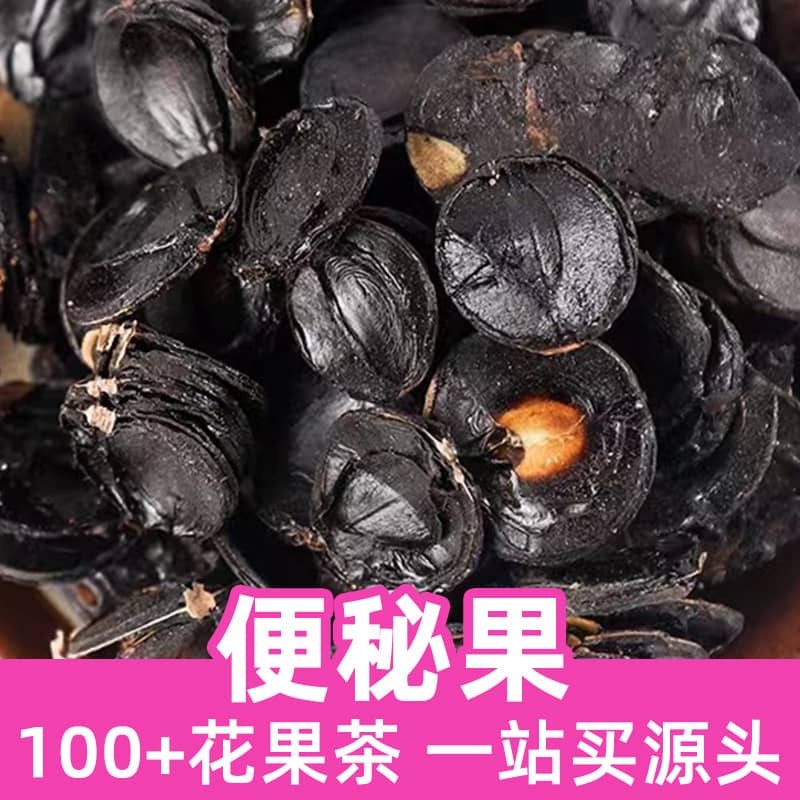
Constipation fruit, also known as Ficus carica, is well-regarded in both culinary and herbal medicine circles for its beneficial properties, particularly concerning digestive health. The fruit has a historical usage in various cultures as a natural remedy for constipation, highlighting its ongoing relevance in contemporary health discussions. This soft, sweet fruit not only brings flavor to dishes but also acts as a natural laxative, making it a popular choice for those seeking relief from digestive discomfort.
Nutritional Components
Constipation fruit is high in dietary fiber, which is crucial for promoting healthy bowel movements. A typical serving can provide a significant portion of the daily fiber requirement, aiding in digestion and helping to relieve constipation. Additionally, it contains essential vitamins and minerals such as vitamin C, vitamin A, potassium, and magnesium, all of which support various bodily functions. The high water content in the fruit also contributes to hydration, which is beneficial in maintaining overall digestive health.
Production Process
The production of constipation fruit generally involves a straightforward process. Once harvested, the fruit is cleaned to remove any impurities before being dehydrated or processed for tea. Careful handling is crucial to preserve its delicate structure and nutritional content. The drying process helps concentrate the nutrients and flavors, making it suitable for various applications, including tea blends and health products.
Application Scenarios
Constipation fruit can be enjoyed in several forms, such as in herbal teas, where it is often combined with complementary ingredients like ginger or peppermint for enhanced digestive benefits. It can also be included in smoothies, baked goods, or eaten fresh as a snack. People seeking a natural remedy for digestive issues frequently turn to it as part of their daily diet, integrating it into meals for its health properties.
Plant Source
The source of constipation fruit is primarily the fig tree, which thrives in warm climates. These trees are cultivated in regions such as the Mediterranean, where the climate supports robust growth and fruit production. The plant is known for its large, lobed leaves and can produce multiple crops throughout the year, depending on climate conditions. The harvesting process is typically done by hand to ensure the integrity of the fruit.
Packaging and Storage
When it comes to packaging, constipation fruit is often available in bulk or smaller quantities, depending on consumer needs. Bulk packages typically come in 25 kg fiber drums, while smaller sample sizes are packaged in 1 kg aluminum foil bags to protect from moisture and light. For optimal quality, the product should be stored in a sealed container, in a dry and cool place, away from sunlight. Proper storage conditions help to maintain its flavor and nutritional value over time.
- 【Storage Conditions】 The product should be sealed, protected from light, stored in a dry, cool, and well-ventilated place.
- 【Packaging】 Bulk: 25 kg per fiber drum; Sample: 1 kg per aluminum foil bag; Custom packaging available upon request.
- 【Transportation】 FedEx, DHL, dedicated logistics, and sea freight consolidation.
- 【Shelf Life】 Two years.

Monica Sun is a seasoned expert in the natural raw materials industry, with over a decade of experience specializing in traditional Chinese medicinal herbs, spices, and fungi. She is skilled in the sourcing, processing, and application of these materials, emphasizing sustainability and innovation. Monica Sun has contributed to the development of high-quality natural raw materials that serve as essential components in functional foods, pharmaceuticals, and cosmetics, delivering tailored solutions to meet diverse market needs.