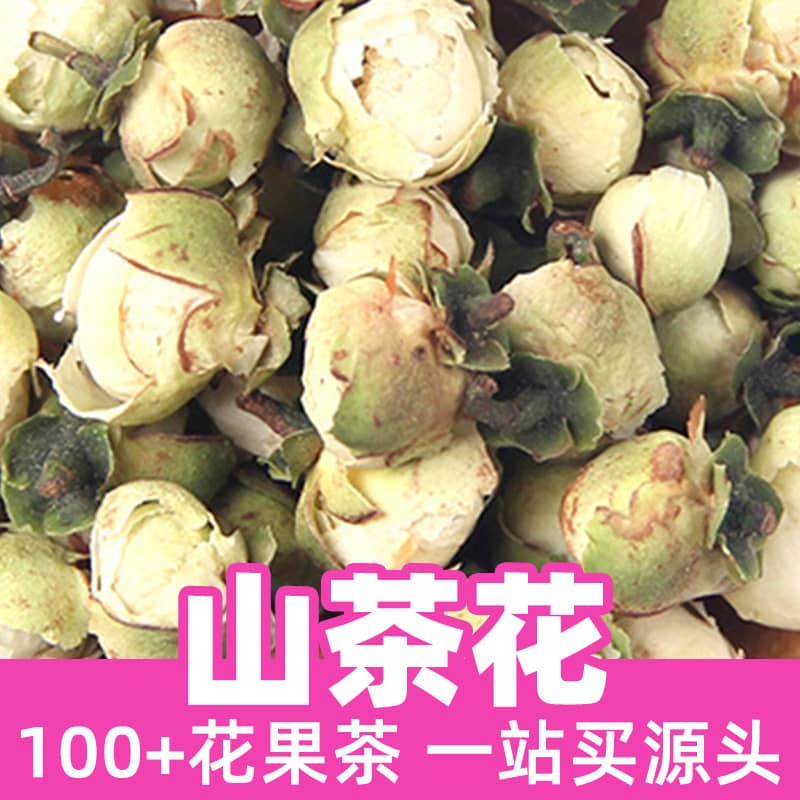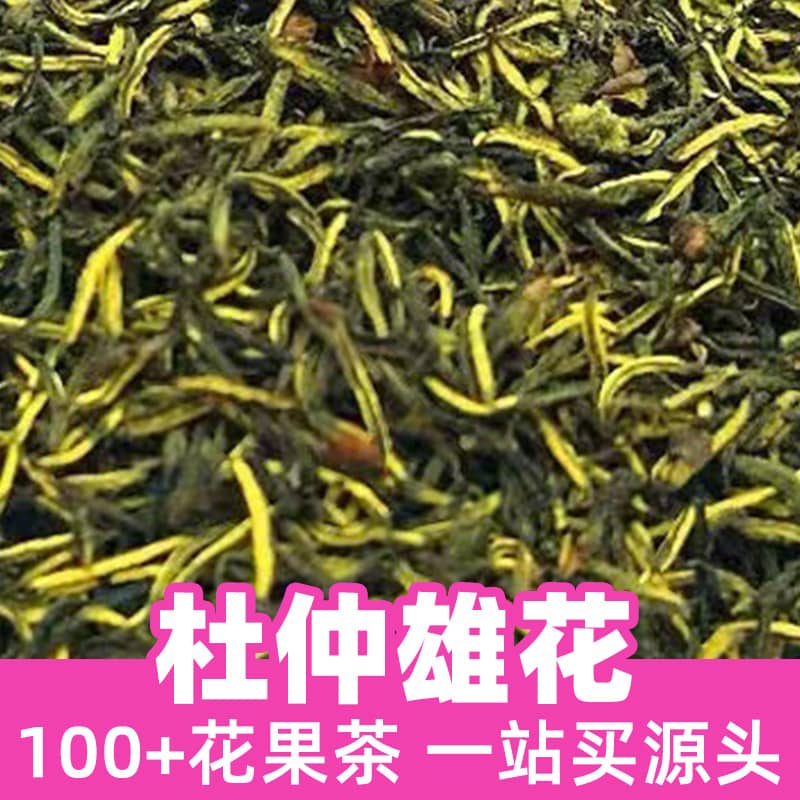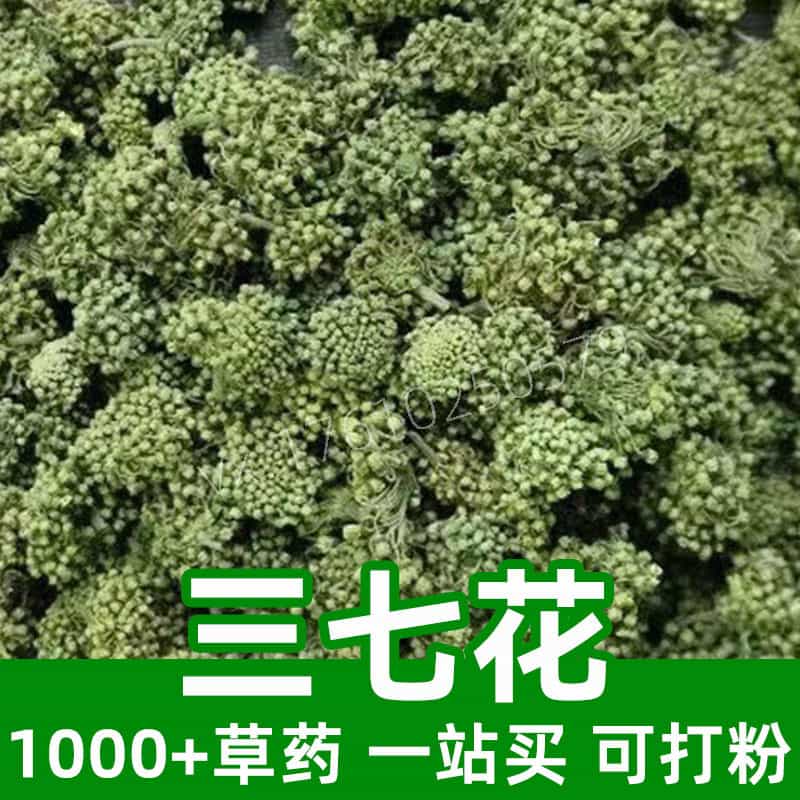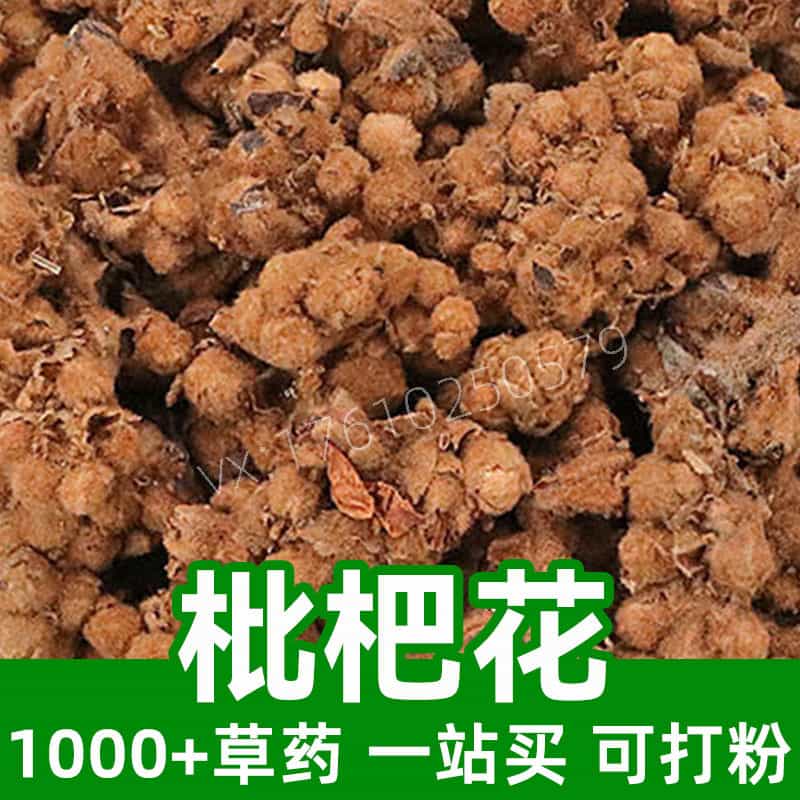



Product Introduction
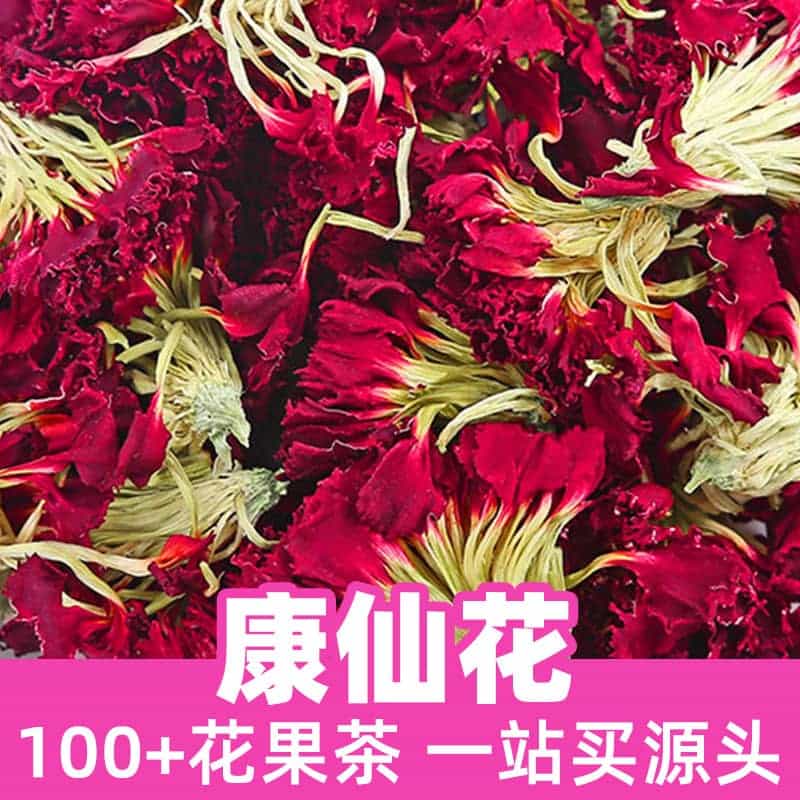
Carnation flowers, commonly found in gardens and flower shops, are not only visually appealing but also versatile in culinary and medicinal applications. These flowers, originating from the Mediterranean region, have been cultivated for centuries for their beauty and aromatic properties. When used in herbal teas, they provide a unique flavor profile and aroma that can enhance the tea-drinking experience.
Nutritional Components
Carnation flowers contain several nutritional components beneficial for health. They are known to have a high content of vitamins A and C, which play critical roles in maintaining immune function and skin health. Additionally, the flowers are rich in antioxidants that help neutralize free radicals in the body. Some studies suggest that essential oils derived from carnations may possess anti-inflammatory and antimicrobial properties, contributing to their traditional uses in herbal remedies.
Production Process
The production of carnation flowers typically involves careful cultivation techniques. They are grown from seeds or cuttings in well-drained soil and require a specific balance of sunlight and moisture to thrive. After flowering, the blooms are carefully harvested at their peak freshness to ensure the best flavor and aroma for tea production. After harvesting, the flowers may undergo a drying process, which preserves their essential oils and flavors for later use in herbal teas.
Application Scenarios
Carnation flowers can be used in various application scenarios. In herbal teas, they add a unique floral flavor and aesthetic appeal. They are often blended with other herbs and ingredients to create soothing and refreshing tea blends. Culinary-wise, the petals can be used as garnishes in salads or desserts for their flavor and color. Furthermore, in traditional medicine, they may be utilized for their potential health benefits.
Plant Source
Carnation flowers are cultivated globally, with significant production in Europe, Asia, and North America. They prefer temperate climates and are often grown in greenhouses to extend their growing season. The flowers bloom in different colors, including white, pink, red, and yellow, allowing for a diverse range of uses and aesthetic appeal.
Packaging and Storage
Carnation flowers should be properly packaged to maintain their quality. They can be offered in bulk or individual servings, commonly packed in aluminum foil bags or fiber drums. For storage, these flowers should be sealed to prevent moisture absorption and kept in a cool, dark place away from light to preserve their properties. Proper handling ensures a shelf life of up to two years when stored correctly.

Monica Sun is a seasoned expert in the natural raw materials industry, with over a decade of experience specializing in traditional Chinese medicinal herbs, spices, and fungi. She is skilled in the sourcing, processing, and application of these materials, emphasizing sustainability and innovation. Monica Sun has contributed to the development of high-quality natural raw materials that serve as essential components in functional foods, pharmaceuticals, and cosmetics, delivering tailored solutions to meet diverse market needs.