


Nutritional Components
Barley tea boasts several nutritional benefits, including essential vitamins such as B1 (thiamine), B2 (riboflavin), B3 (niacin), and folate. It also provides minerals including magnesium, phosphorus, selenium, and iron. The antioxidants present in barley tea can help combat oxidative stress, while its fiber content may support digestion. Drinking this tea can contribute to hydration without the caffeine found in traditional teas and coffees.
Production Process
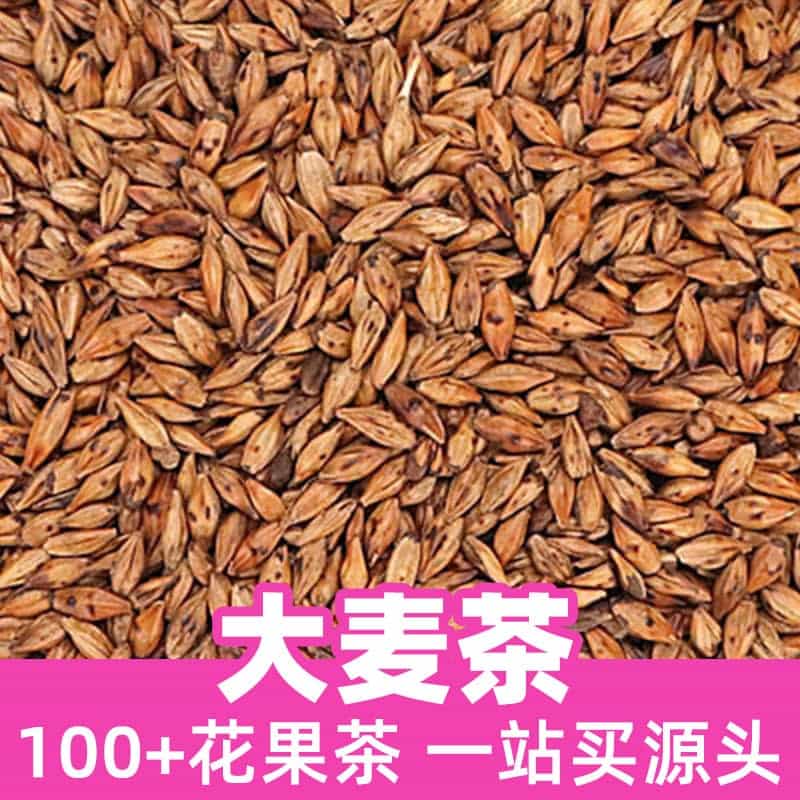
The process of making barley tea involves the roasting of barley grains until they reach a golden brown color. The roasted grains are then cooled and either used whole or ground into a finer powder for brewing. The resulting roasted barley can be steeped in hot water or brewed as a cold tea. This method enhances the nutty flavor and aroma, making it a flavorful alternative to regular teas.
Application Scenarios
Barley tea is versatile and can be enjoyed in various scenarios. It is commonly served as a refreshing drink in summer and is also popular in Korean and Japanese cuisines. It can be enjoyed hot during colder months, adding warmth and comfort. Additionally, it's often used in cooking, especially in rice dishes or broths, to enhance flavor. Some health-focused individuals incorporate it into detox and wellness routines.
Plant Source
The primary ingredient in barley tea is the barley grain, which is part of the grass family Poaceae. Barley is one of the world's oldest cultivated grains, primarily grown for its seeds. The grains used for tea are sourced from different regions, with Japan and Korea being particularly known for producing high-quality roasted barley for beverage use. The cultivation of barley typically involves temperate climates, where it thrives in well-drained soils.
Packaging and Storage
Barley tea is available in various packaging options to preserve its freshness and flavor. Bulk quantities are usually packaged in 25 kg fiber drums, while samples might come in 1 kg aluminum foil bags. Custom packaging can also be requested for businesses or specific needs. Proper storage conditions are essential to maintain the tea's quality; it should be stored in a sealed container, protected from light and moisture, and kept in a cool, dry, and well-ventilated place.

Monica Sun is a seasoned expert in the natural raw materials industry, with over a decade of experience specializing in traditional Chinese medicinal herbs, spices, and fungi. She is skilled in the sourcing, processing, and application of these materials, emphasizing sustainability and innovation. Monica Sun has contributed to the development of high-quality natural raw materials that serve as essential components in functional foods, pharmaceuticals, and cosmetics, delivering tailored solutions to meet diverse market needs.