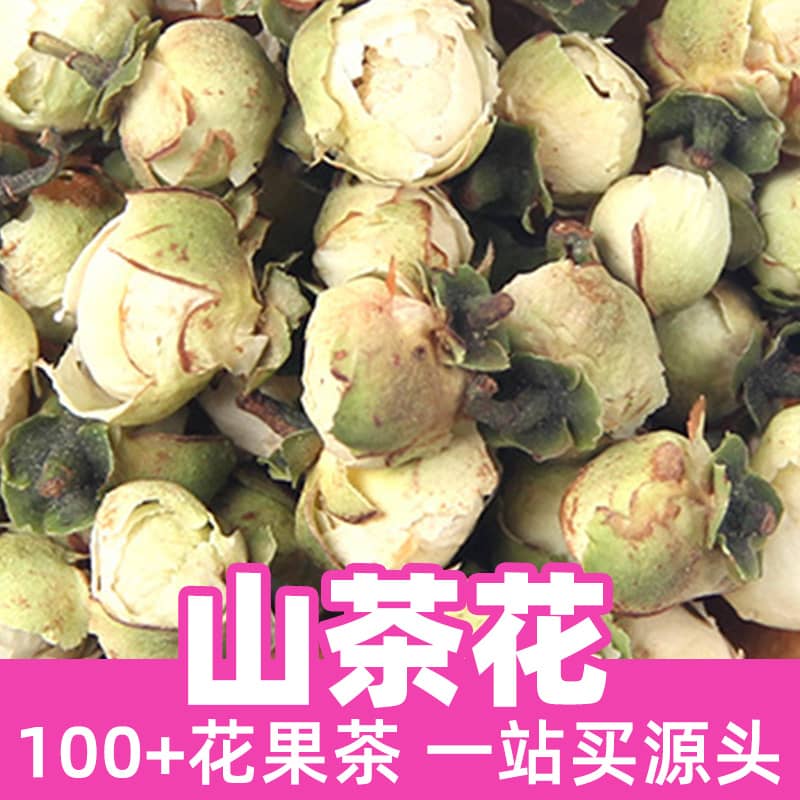



Product Introduction
Camellia, particularly known as Camellia sinensis, is the source of all true teas, including green tea, black tea, oolong tea, and white tea. The plant is cultivated mainly in tropical and subtropical regions worldwide and thrives in well-drained soil with adequate rainfall. Different processing methods result in varied flavor profiles and caffeine levels, making Camellia a popular choice among tea enthusiasts.
Nutritional Components
Camellia possesses several beneficial nutritional components. The predominant compounds are polyphenols, which have antioxidant properties and may promote heart health. It also contains caffeine, a natural stimulant that can enhance alertness and concentration. Additionally, the plant contains essential amino acids, vitamins such as vitamin C, and important minerals like potassium and magnesium, contributing to its overall health-promoting qualities.
Production Process
The production of Camellia begins with the careful cultivation of the tea plant. Once the leaves are mature, they are hand-picked or machine-harvested. The processing can vary significantly depending on the desired tea type; for instance, green tea leaves are quickly steamed or pan-fried to prevent oxidation, while black tea leaves are fully oxidized. This production process includes withering, rolling, oxidizing, and drying, each stage crucial for developing the final flavor and quality of the tea.
Application Scenarios
Camellia is mainly used for brewing various types of tea. Hot water is poured over the leaves, allowing the flavors and nutrients to infuse into the drink. It is also commonly incorporated into herbal remedies for its health benefits and can be added as an ingredient in culinary dishes, desserts, and health supplements. Moreover, it can be found in skincare products due to its antioxidant properties.
Plant Source
Camellia sinensis is the primary species used for tea production. It grows as a shrub or small tree and can reach heights of up to 10 meters but is typically pruned to facilitate harvesting. It prefers a humid climate with partial shade and requires specific soils to thrive. The geographical variations in climate and soil of tea-growing regions contribute to the differences in flavor and characteristics of the end product.
Packaging and Storage
Camellia products are generally packed in bulk and sample sizes depending on the intended use.
- 【Storage Conditions】 The product should be sealed, protected from light, stored in a dry, cool, and well-ventilated place.
- 【Packaging】 Bulk: 25 kg per fiber drum; Sample: 1 kg per aluminum foil bag; Custom packaging available upon request.
- 【Transportation】 FedEx, DHL, dedicated logistics, and sea freight consolidation.
- 【Shelf Life】 Two years.

Monica Sun is a seasoned expert in the natural raw materials industry, with over a decade of experience specializing in traditional Chinese medicinal herbs, spices, and fungi. She is skilled in the sourcing, processing, and application of these materials, emphasizing sustainability and innovation. Monica Sun has contributed to the development of high-quality natural raw materials that serve as essential components in functional foods, pharmaceuticals, and cosmetics, delivering tailored solutions to meet diverse market needs.