


Product Introduction
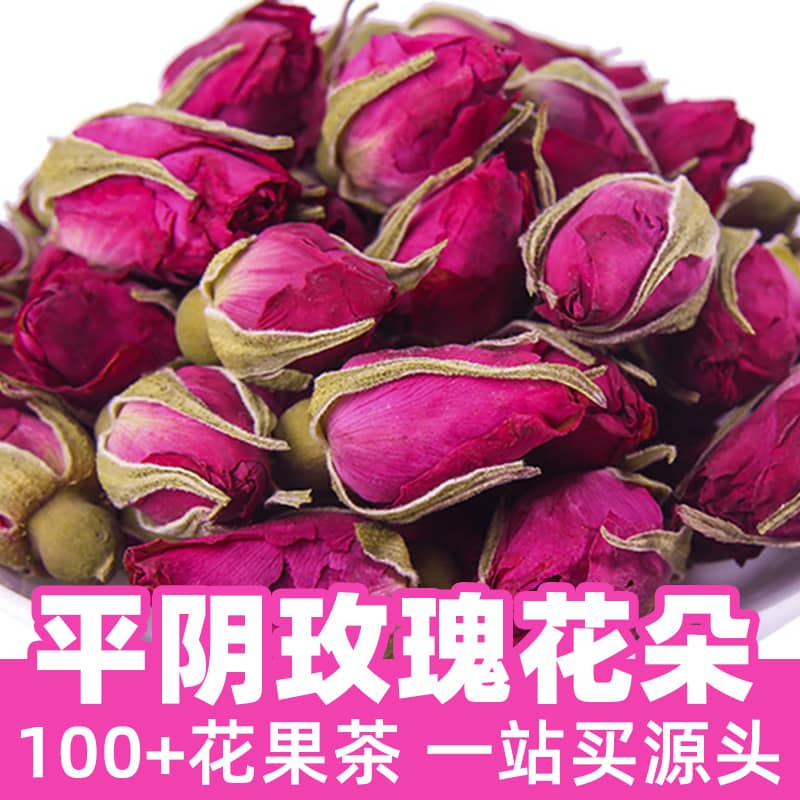
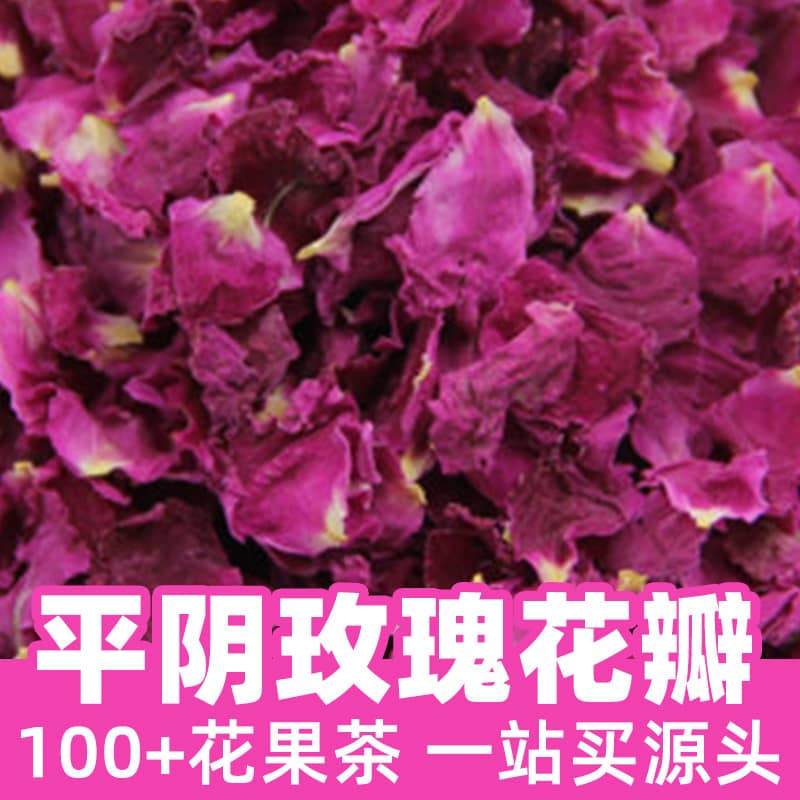
Rose tea, which is made from the petals of various rose species, has been a part of many cultures for centuries. Known for its fragrant aroma and beautiful appearance, it has therapeutic qualities attributed to its rich nutritional content. Rose tea is not only a delight to the senses but also offers a range of health benefits.
Nutritional Components
Rose tea contains a variety of nutrients that contribute to its therapeutic properties. Antioxidants play a major role in combating free radicals in the body. Vitamin C is vital for immune function and skin health, while flavonoids provide additional anti-inflammatory benefits. The essential oils present in rose petals can also promote relaxation and may aid in digestion.
Production Process
The production of rose tea begins with the careful harvesting of fully bloomed rose petals, ensuring that they are free from pesticides and contaminants. These petals are then washed, dried, and sometimes steamed to preserve their color and aroma. Once dried, the petals are either left whole or crushed, depending on the desired end product, and are packaged for distribution.
Application Scenarios
Rose tea can be enjoyed in various settings, such as at home for relaxation after a long day or during social gatherings where its aesthetic appeal can impress guests. It is also suitable for use in spas and wellness centers as a calming beverage, complementing treatments that focus on holistic health. Furthermore, it can serve as a key ingredient in various desserts and culinary dishes, adding a unique flavor note.
Plant Source
Rosa genus plants thrive in a range of environments, from temperate gardens to wild hedgerows. Different species may offer varying flavors and aromas, often influenced by the geographical location where they are grown. The most common roses used for tea production are hybrid tea roses and wild Rosa canina, also known as dog roses.
Packaging and Storage
- 【Storage Conditions】 The product should be sealed, protected from light, stored in a dry, cool, and well-ventilated place.
- 【Packaging】 Bulk: 25 kg per fiber drum; Sample: 1 kg per aluminum foil bag; Custom packaging available upon request.
- 【Transportation】 FedEx, DHL, dedicated logistics, and sea freight consolidation.
- 【Shelf Life】 Two years.

Monica Sun is a seasoned expert in the natural raw materials industry, with over a decade of experience specializing in traditional Chinese medicinal herbs, spices, and fungi. She is skilled in the sourcing, processing, and application of these materials, emphasizing sustainability and innovation. Monica Sun has contributed to the development of high-quality natural raw materials that serve as essential components in functional foods, pharmaceuticals, and cosmetics, delivering tailored solutions to meet diverse market needs.