


Product Introduction
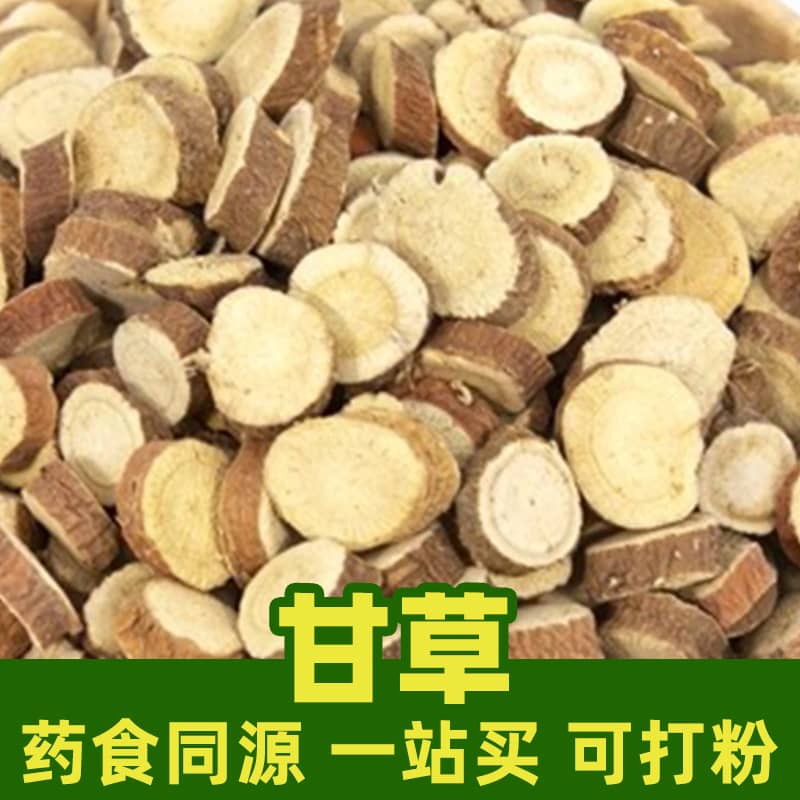
Licorice tablets are a popular herbal product, made from the root of the Glycyrrhiza glabra plant. This herbal remedy has been utilized for centuries, recognized for its sweet flavor and numerous potential health benefits. The extraction of essential compounds from the licorice root allows for various applications, particularly in the realms of herbal medicine and tea blends. The tablets offer a convenient alternative to bulk root or tea for those who wish to enjoy the benefits of licorice without the preparation time.
Nutritional Components
The key active component of licorice tablets is glycyrrhizin, which is responsible for their sweet taste and many of their health benefits. In addition to glycyrrhizin, licorice contains flavonoids that exhibit antioxidant properties, contributing to its therapeutic uses. Essential minerals such as magnesium and potassium are also present in these tablets, providing nutritional value. These components can contribute support to the immune system, digestive health, and overall well-being.
Production Process
The production of licorice tablets begins with the harvesting of licorice roots, which are then cleaned and dried. The dried roots undergo extraction, using suitable solvents to concentrate the active components. This extract is then formulated into tablet form, which involves mixing the concentrated extract with suitable binders and fillers. The mixture is compressed into tablets, which are individually tested for quality assurance before packaging.
Application Scenarios
Licorice tablets can be taken directly for throat relief or mixed with warm water to create soothing herbal beverages. They are often included in herbal tea blends for enhanced sweetness and flavor, making them appealing to a broader audience. Additionally, individuals suffering from digestive discomfort may find licorice tablets beneficial alongside other remedies for improved gut health. Practitioners of traditional medicine frequently recommend these tablets for various health conditions, from respiratory issues to hormonal balance.
Plant Source
Glycyrrhiza glabra, the source of licorice tablets, is primarily found in Mediterranean regions, parts of Asia, and some areas of the Americas. The plant is characterized by its sweet, edible roots, which can be harvested for multiple uses. Licorice thrives in well-drained soil and is typically cultivated in large, sunlit areas where it can grow to a height of approximately three to four feet. The roots are the most valuable part of the plant, containing the desired phytochemicals used in tablet production.
Packaging and Storage
Licorice tablets are carefully packaged to maintain their quality and extend their shelf life. Bulk quantities are typically stored in 25 kg fiber drums, while smaller sample sizes are sealed in 1 kg aluminum foil bags. Custom packaging options may also be available to cater to specific needs. To ensure the longevity of the product, storage conditions must be controlled; keeping the tablets in a dry, cool, and dark environment is essential for preserving their efficacy. They should also be kept well-sealed to prevent moisture absorption.

Monica Sun is a seasoned expert in the natural raw materials industry, with over a decade of experience specializing in traditional Chinese medicinal herbs, spices, and fungi. She is skilled in the sourcing, processing, and application of these materials, emphasizing sustainability and innovation. Monica Sun has contributed to the development of high-quality natural raw materials that serve as essential components in functional foods, pharmaceuticals, and cosmetics, delivering tailored solutions to meet diverse market needs.