
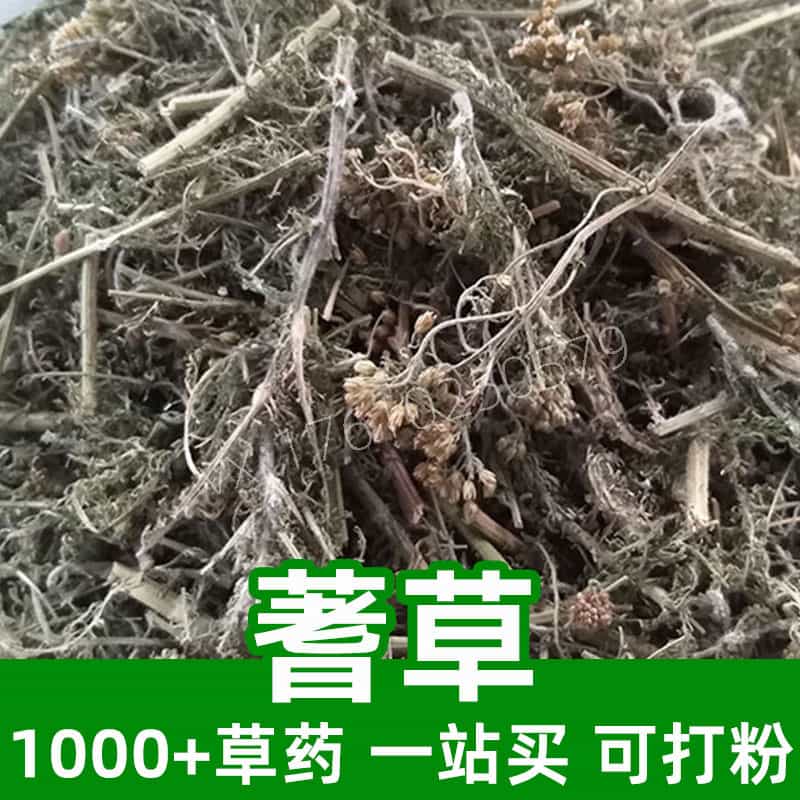



Product Introduction
Yarrow, scientifically known as Achillea millefolium, is a versatile herb that has been utilized in various cultures for centuries. This perennial plant typically features feathery, fern-like leaves and bears clusters of small, delicate flowers that can range in color from white to pale pink. Sourced primarily from temperate regions across Europe, Asia, and North America, yarrow thrives in a variety of environments, flourishing in meadows, fields, and along roadsides.
The main components of yarrow include essential oils, which create its unique scent, flavonoids that contribute to its antioxidant properties, and alkaloids known for their various effects on the body. Traditionally, yarrow has been celebrated for its potential benefits across numerous applications—from culinary uses to incorporation into herbal preparations. In the kitchen, its leaves can be added to salads, soups, or brewed as a tea, delivering not only flavor but also a hint of tradition. Moreover, yarrow's significance in traditional medicine practices emphasizes its role in holistic approaches, allowing for a deeper understanding of its cultural and therapeutic value.
Main Active Ingredients
Yarrow is rich in various active compounds that contribute to its wide-ranging applications in both culinary and medicinal fields. Among the key active ingredients are:
- Essential Oils: Yarrow contains components like camphor, borneol, and thujone, which are responsible for its aromatic profile and potential therapeutic properties. These oils are known for their effects on the nervous system and digestive tract.
- Flavonoids: Prominent flavonoids found in yarrow include quercetin and apigenin. These compounds are renowned for their antioxidant properties, potentially helping to neutralize free radicals in the body.
- Alkaloids: Yarrow contains several alkaloids, including achilleine, which may possess effects that contribute to its traditional uses in heart and circulatory health.
- Tannins: Present in yarrow, tannins have astringent properties, which can help in cases where tissue contraction is beneficial, aligning with its historical uses.
- Vitamin C: Yarrow serves as a source of vitamin C, which plays a vital role in immune function and skin health, enhancing the herb's nutritional profile.
These active ingredients work synergistically to support various bodily functions, making yarrow a valued member of the herbal medicine cabinet. Research into its potential benefits continues to grow, highlighting both its historical significance and its modern relevance.
Product Application Scenarios, Usage, and Dosage
Yarrow finds its applications in both the realm of traditional medicine and culinary use, showcasing its versatility. In traditional Chinese medicine (TCM), yarrow is typically employed to invigorate the blood, promote digestion, and regulate menstruation, demonstrating its multifaceted benefits.
Usage in Traditional Medicine
In TCM, yarrow is often prescribed as a tea or decoction. The common method of preparation includes steeping 2-3 grams of dried yarrow leaves or flowers in boiling water for 10-15 minutes. This infusion is typically consumed once or twice daily, providing a gentle means of incorporating the herb into one’s wellness routine.
Yarrow can also be used externally in poultices or compresses for skin irritations or minor wounds due to its astringent properties. It is crucial to consult an experienced herbalist or healthcare provider for personalized dosage guidelines, as individual needs may vary.
Culinary Usage
In culinary applications, fresh or dried yarrow leaves can be added to salads, soups, and teas. The leaves impart a subtle bitterness reminiscent of sage, complementing various dishes. Typically, a small handful of fresh yarrow leaves (about 5-10 grams) can enhance a dish's flavor profile and nutrition.
The dual role of yarrow in both culinary and traditional medicinal practices reflects its historical significance and widespread appreciation, making it a staple herb in households interested in natural remedies.
Introduction to the Source Plant, Distribution, and Growth Environment
Yarrow, or Achillea millefolium, is native to the temperate regions of the Northern Hemisphere. This herb is commonly found across Europe, Asia, and North America, thriving in a variety of environments, such as grasslands, roadsides, and disturbed soils.
Yarrow typically grows to heights of 30 to 100 cm, featuring delicate, feathery leaves that can take on a green to grayish hue. The small flower heads bloom mainly from late spring to early fall, congregated in dense, flat-topped clusters that attract various pollinators.
Yarrow prefers well-drained soils and can tolerate drought conditions, making it an adaptable plant in gardens and wild fields alike. It is commonly cultivated for medicinal purposes as well as ornamental use due to its vibrant flowers. Planting yarrow can be an excellent choice for gardeners looking to attract beneficial insects and support pollinator populations.
In addition to its beauty, yarrow also holds ecological significance as a soil stabilizer, enhancing biodiversity in its native habitats. Such features contribute to its increasing popularity among herbalists and home herbalists alike.
Harvesting, Processing, and Storage
The harvesting of yarrow requires careful timing and technique to ensure the herb's potency and protect its delicate properties. Ideally, yarrow should be harvested during its flowering stage, when its active components are at their peak. The best time for harvesting is late morning or early afternoon, after the dew has dried but before the heat of the day diminishes the constituents.
Once harvested, yarrow can be processed in several ways, including drying for long-term storage. To dry yarrow, the herb should be bundled and suspended upside down in a cool, dark, and well-ventilated area to prevent mold growth. Once fully dried, the leaves and flowers can be crumbled and stored in airtight containers.
Proper storage is vital to maintain yarrow’s potency over time. The dried herb should be kept in a cool, dry place, away from light and moisture to minimize degradation. When stored correctly, yarrow can retain its medicinal properties for up to one year, after which its efficacy may diminish.
In summary, understanding the methods of harvesting, processing, and storage ensures that the beneficial qualities of yarrow are preserved, making it a reliable addition to any herbal medicine collection.

Monica Sun is a seasoned expert in the natural raw materials industry, with over a decade of experience specializing in traditional Chinese medicinal herbs, spices, and fungi. She is skilled in the sourcing, processing, and application of these materials, emphasizing sustainability and innovation. Monica Sun has contributed to the development of high-quality natural raw materials that serve as essential components in functional foods, pharmaceuticals, and cosmetics, delivering tailored solutions to meet diverse market needs.

.jpg)