


Product Introduction
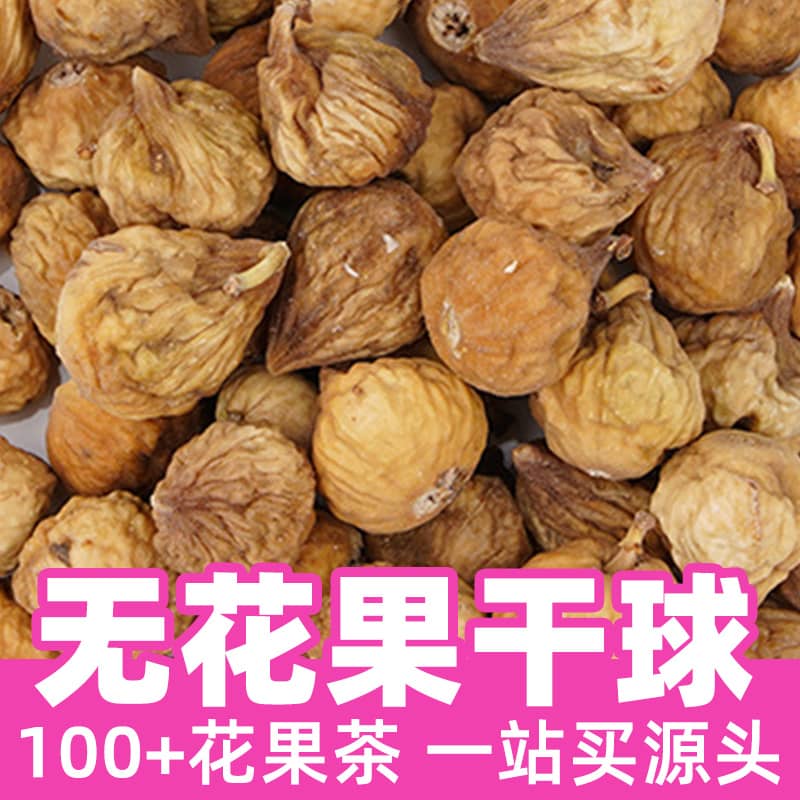
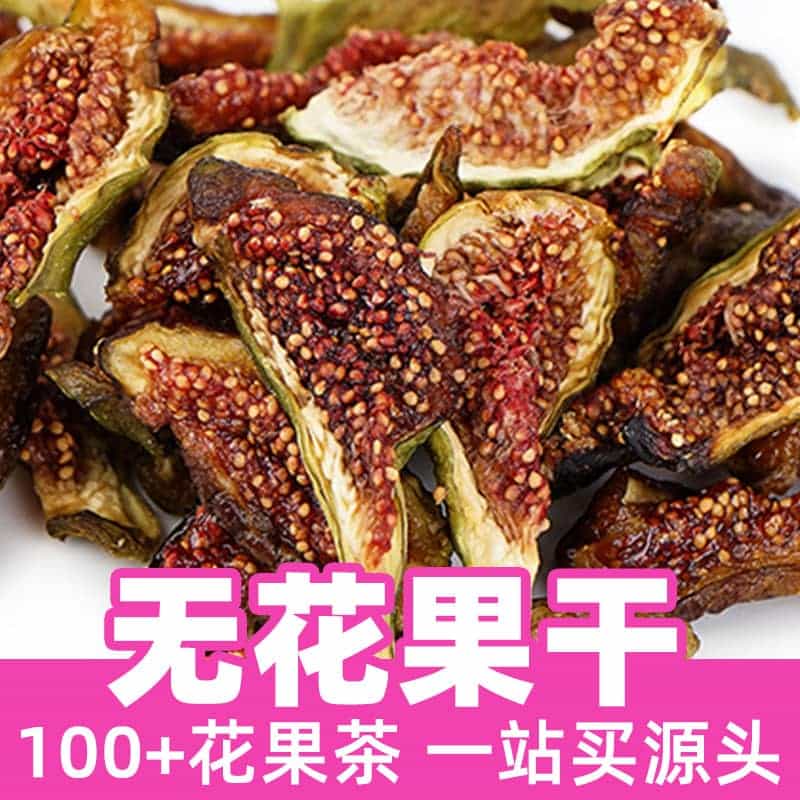
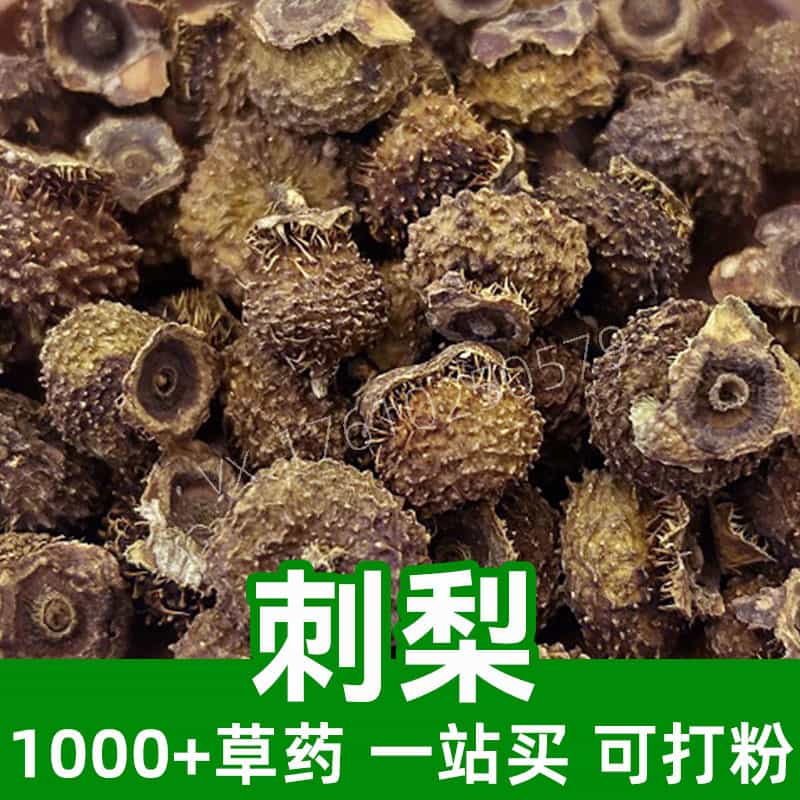
Rosa Roxburghii, known as Himalayan rose hip, is a plant belonging to the Rosaceae family. The plant's fruit is often used to make herbal teas due to its unique flavor profile and beneficial properties. This fruit has been utilized in traditional medicine for generations, especially in Asian cultures. The tea derived from this fruit is not only flavorful but also has various health benefits attributed to its rich composition.
Nutritional Components
The nutritional profile of Rosa Roxburghii is notable, particularly its high vitamin C content, which is essential for immune function and skin health. Alongside vitamin C, it contains antioxidants that help combat oxidative stress. The presence of dietary fiber aids in digestive health, making this tea a soothing option for those seeking a herbal remedy. Additionally, some studies suggest that Rosa Roxburghii may have anti-inflammatory properties, supporting overall wellness.
Production Process
The production of Rosa Roxburghii tea starts with the careful harvesting of the fruit. The fruits are typically collected when they reach maturity, which is crucial for ensuring optimal flavor and nutritional content. After harvesting, the fruits are washed to remove impurities and then dried to prevent spoilage. Once dried, they can be processed into a tea form, either as loose leaves or in bagged varieties. The quality control is important throughout the process to maintain the flavor and health benefits of the final product.
Application Scenarios
Rosa Roxburghii tea can be enjoyed in various settings. It is often consumed in the morning as a refreshing beverage or in the afternoon for a relaxing break. Additionally, it serves well as a base for iced teas, herbal blends, or even culinary uses, such as flavoring desserts. Its pleasant taste makes it suitable for both casual consumption and more formal tea gatherings. Moreover, the potential health benefits add to its appeal for those looking to improve their wellness with naturally derived products.
Plant Source
Rosa Roxburghii is sourced primarily from the mountainous regions of Asia, especially from countries like China, Nepal, and India. The plant prefers well-drained soils and can thrive in mountainous terrain, where it grows as a shrub or small tree. The fruits of Rosa Roxburghii are often collected from wild plants, which is a sustainable practice but requires careful management to avoid overharvesting. This natural sourcing contributes to the unique flavor and character of the tea.
Packaging and Storage
Rosa Roxburghii tea is typically packaged in a way that preserves its quality. Common packaging options include bulk fiber drums for larger quantities, with samples available in aluminum foil bags. Custom packaging can be arranged based on customer preferences.
- 【Storage Conditions】 The product should be sealed, protected from light, stored in a dry, cool, and well-ventilated place.
- 【Packaging】 Bulk: 25 kg per fiber drum; Sample: 1 kg per aluminum foil bag; Custom packaging available upon request.
- 【Transportation】 Options include FedEx, DHL, dedicated logistics, and sea freight consolidation.
- 【Shelf Life】 The tea has a shelf life of two years when stored properly.

Monica Sun is a seasoned expert in the natural raw materials industry, with over a decade of experience specializing in traditional Chinese medicinal herbs, spices, and fungi. She is skilled in the sourcing, processing, and application of these materials, emphasizing sustainability and innovation. Monica Sun has contributed to the development of high-quality natural raw materials that serve as essential components in functional foods, pharmaceuticals, and cosmetics, delivering tailored solutions to meet diverse market needs.