
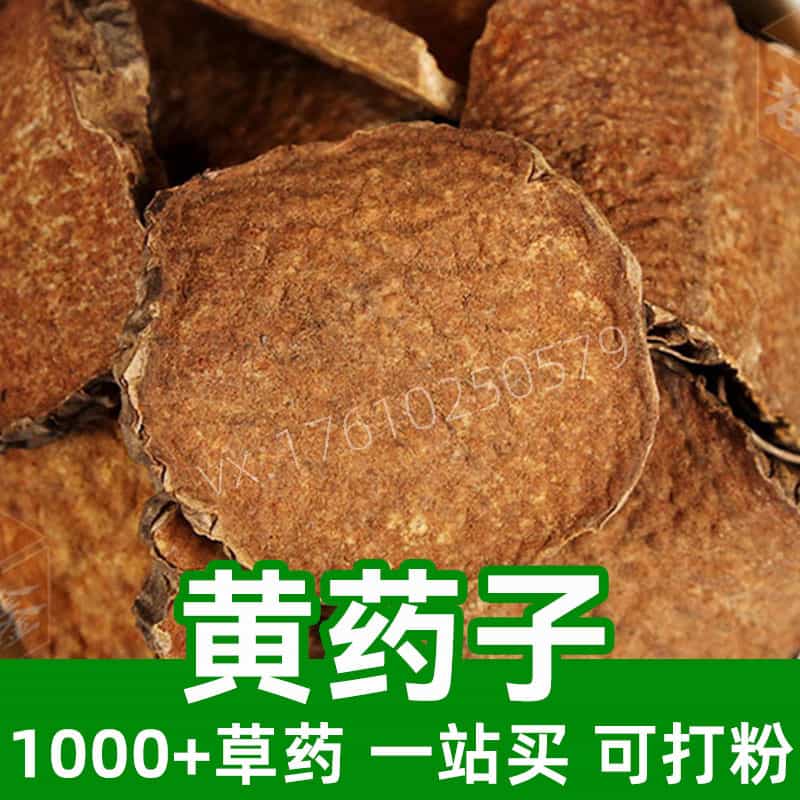



Product Introduction
Rhizoma Dioscoreae Bulbiferae, also known as Huangyaozi, is a prominent herbal ingredient in traditional Chinese medicine (TCM), prized for its detoxifying and antitoxic properties. The tubers of Dioscorea bulbifera are carefully harvested and processed to retain their therapeutic compounds, making them a versatile addition to herbal formulations.
This herb is characterized by its bitter and slightly pungent taste, influencing the liver and spleen channels. Its main components include diosbulbin, steroidal saponins, and various bioactive compounds, contributing to its diverse applications in managing toxins and promoting overall balance. Commonly found in tropical and subtropical regions, this plant thrives in warm, humid environments, often cultivated for medicinal and culinary uses.
While primarily used in TCM for detoxification and phlegm resolution, it also plays a role in various herbal mixtures aimed at supporting liver health and addressing internal imbalances. Proper storage ensures the tubers retain their potency, requiring a cool, dry environment shielded from direct sunlight.
Main Active Ingredients
The therapeutic properties of Rhizoma Dioscoreae Bulbiferae are primarily attributed to its rich composition of bioactive compounds:
- Diosbulbin: A diterpenoid compound that exhibits antitoxic and hepatoprotective properties, often explored for its detoxifying effects.
- Steroidal Saponins: Known for their role in modulating cholesterol metabolism, enhancing immunity, and exhibiting anti-inflammatory effects.
- Flavonoids: These compounds contribute antioxidant benefits, neutralizing free radicals, and supporting cellular health.
- Polysaccharides: Vital for their immune-enhancing effects, these molecules also exhibit prebiotic properties, supporting gut health.
- Alkaloids: Found in trace amounts, contributing to the herb’s overall bioactivity with potential antimicrobial and detoxifying effects.
The combination of these compounds forms the basis of the herb’s use in traditional medicine, promoting balance and supporting the liver's natural detoxifying functions. Diosbulbin, in particular, is studied for its cytotoxic properties, offering unique benefits in controlled applications.
Product Application Scenarios, Usage, and Dosage
Rhizoma Dioscoreae Bulbiferae is predominantly used in traditional Chinese medicine, offering a range of applications for its detoxifying and phlegm-resolving properties.
Traditional Medicine Applications
- Detoxification: Incorporated into herbal blends to help remove internal toxins and support liver function.
- Respiratory Health: Used in decoctions to address phlegm-related conditions, aiding in respiratory clarity.
- Balance Restoration: Often included in formulations targeting imbalances in the liver and spleen channels.
Culinary and Dietary Uses
While its medicinal applications dominate, small amounts of processed Rhizoma Dioscoreae Bulbiferae are sometimes included in herbal teas and supplements.
Usage and Dosage
- Decoction: Commonly used in 6–15 g doses, often combined with other herbs to enhance its effects.
- Powder Form: Typically used in capsules or tablets, with dosages varying based on the formulation.
- Cautions: Excessive use may lead to toxicity; professional guidance is advised for therapeutic use.
Introduction to the Source Plant, Distribution, and Growth Environment
Rhizoma Dioscoreae Bulbiferae is derived from the tubers of *Dioscorea bulbifera L.*, a climbing vine native to tropical and subtropical regions.
Botanical Description
- Leaves: Heart-shaped and alternately arranged, providing a distinctive appearance.
- Flowers: Small and inconspicuous, typically pale yellow.
- Tubers: Develop underground and occasionally along the stem as aerial bulbils.
Geographical Distribution
- Native Regions: Found extensively in Southeast Asia, China, India, and parts of Africa.
- Cultivation Areas: Grown in regions with warm, humid climates, especially in Southern China and Southeast Asia.
Growth Requirements
- Soil: Prefers loose, fertile, and well-drained soils.
- Climate: Thrives in tropical and subtropical environments with consistent rainfall.
- Sunlight: Requires partial to full sun exposure for optimal growth.
Harvesting, Processing, and Storage
Harvesting
- Timing: Typically harvested in late autumn when the aerial parts of the plant begin to wither.
- Method: Tubers are carefully dug up to prevent damage.
Processing
- Cleaning: Tubers are washed to remove soil and impurities.
- Drying: Sun-dried or air-dried in controlled environments to preserve active compounds.
- Cutting: Processed into slices or powders for use in formulations.
Storage
- Conditions: Store in a dry, cool, and well-ventilated area to prevent mold or degradation.
- Packaging: Often sealed in moisture-proof containers to ensure longevity.
Through meticulous harvesting and processing methods, Rhizoma Dioscoreae Bulbiferae maintains its therapeutic potency, ready for use in traditional formulations and modern applications.

Monica Sun is a seasoned expert in the natural raw materials industry, with over a decade of experience specializing in traditional Chinese medicinal herbs, spices, and fungi. She is skilled in the sourcing, processing, and application of these materials, emphasizing sustainability and innovation. Monica Sun has contributed to the development of high-quality natural raw materials that serve as essential components in functional foods, pharmaceuticals, and cosmetics, delivering tailored solutions to meet diverse market needs.

.jpg)