
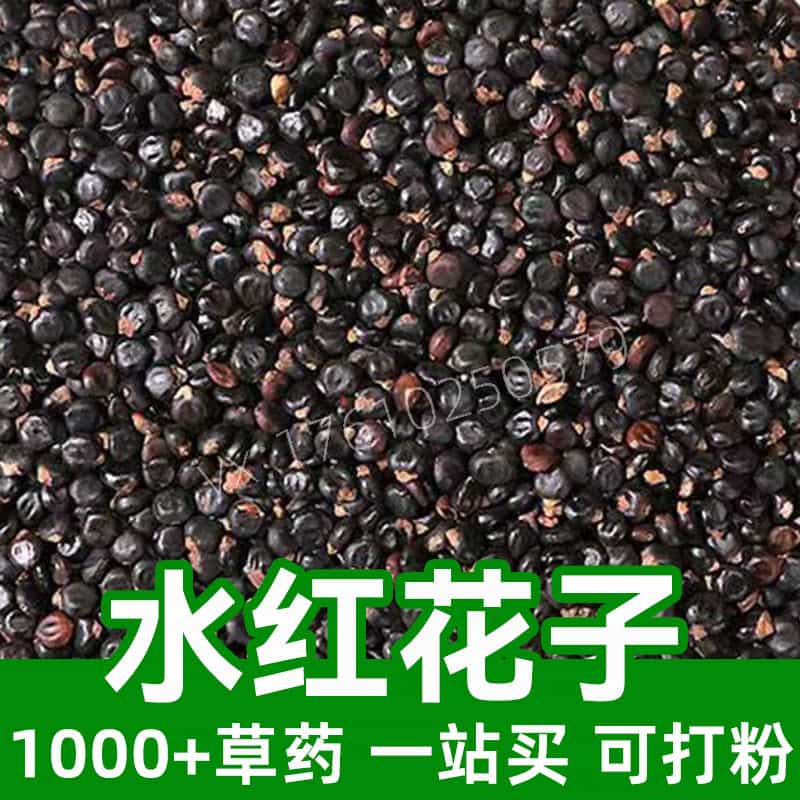



Polygonum Product Introduction
Polygonum, also known as Purple-Backed Polygonum or Large-Leaf Polygonum, is a common perennial herb. Its primary components include rich volatile oils, flavonoids, alkaloids, tannins, and various vitamins. Polygonum grows in moist environments such as riverbanks, streams, and marshlands, and is commonly found in temperate and subtropical regions around the world. In traditional Chinese medicine, Polygonum is widely used for clearing heat, detoxifying, dispelling wind and dampness, stopping bleeding, and reducing swelling. It is commonly used to treat damp-heat jaundice, painful urinary dribbling, and similar symptoms. The whole plant is the medicinal part and can be used in various forms, such as traditional Chinese medicine decoctions or granules.
Polygonum Main Active Ingredients
Polygonum is a plant with high medicinal value, and its primary active ingredients include volatile oils, flavonoids, alkaloids, tannins, and vitamins.
- Volatile Oils: Polygonum contains abundant volatile oils, including α-ricinoleic acid, aromatic hydrocarbons, phenols, and others. These oils have antibacterial, anti-inflammatory, and swelling-reducing effects.
- Flavonoids: Polygonum contains several flavonoids, such as quercetin, rutin, and astragalin. These compounds have antioxidant, anti-inflammatory, and anti-allergy properties.
- Alkaloids: Polygonum contains alkaloids such as pyridine alkaloids. These alkaloids have antibacterial, sedative, and analgesic effects.
- Tannins: Polygonum contains tannin compounds, which have astringent and hemostatic effects. These are commonly used to treat skin inflammations and bleeding wounds.
- Vitamins: Polygonum is rich in vitamins, such as vitamin C and vitamin A, which help boost the immune system and promote metabolism.
The main active ingredients of Polygonum give it antimicrobial, anti-inflammatory, heat-clearing, detoxifying, hemostatic, and swelling-reducing effects, making it widely used in traditional Chinese medicine for treating conditions like damp-heat jaundice and painful urinary dribbling. Polygonum is also used in the food industry, processed into teas, soups, and other products to promote health.
Polygonum Application Scenarios, Dosage and Usage
Polygonum has a wide range of applications in both traditional Chinese medicine and the food industry. Below are key uses, dosages, and applications in these fields:
- Traditional Chinese Medicine Applications:
- Heat-Clearing and Detoxifying: Polygonum is used to clear heat, detoxify, and reduce swelling and pain. It is commonly used for treating damp-heat jaundice, fever due to colds, and similar diseases.
- Blood-Cooling and Hemostasis: Polygonum has astringent properties that help stop bleeding, making it effective for treating symptoms like vomiting blood, dysentery with blood, and blood in the stool.
- Diuretic and Swelling-Reducing: Polygonum can promote urination and reduce swelling, making it suitable for conditions like edema and nephritis.
- Dosage: Generally, fresh or dried Polygonum can be used in decoctions, with 1-2 doses daily, or as part of a compound Chinese medicine formula.
- Food Applications:
- Tea: Dried Polygonum can be made into tea. Polygonum tea has heat-clearing, detoxifying, and diuretic effects, making it ideal for clearing heat, relieving summer heat, and aiding digestion.
- Soups: Fresh Polygonum can be added to soups for its heat-clearing and detoxifying properties, enhancing the nutritional value of the soup.
- Dosage: For Polygonum tea, use 3-5 grams per brew, 1-2 times daily. In soups, the amount can be adjusted according to need.
Polygonum, as a common herb, has significant application value in both traditional Chinese medicine and food industries. When using it, it should be tailored to the specific health condition or individual needs, following medical advice or the guidelines provided in product instructions.
Polygonum Source Plant Introduction, Distribution, and Growing Environment
Polygonum (scientific name: *Persicaria hydropiper*) is a perennial herb that belongs to the Polygonaceae family. Here is detailed information about the source plant, its distribution, and growing environment:
- Source Plant Introduction:
- Polygonum is a perennial herb that typically grows 30-100 cm tall with a developed root system. The stem is upright, reddish, hollow, and has sparse, long hairs between the nodes.
- The leaves are lance-shaped or oval, elongated, with smooth or occasionally finely serrated edges. The leaf surface is green, and the underside is covered with fine hairs. The flower cluster is conical or cylindrical, with small, dense flowers that are green or red, and the fruits are triangular.
- Polygonum has medicinal properties that clear heat, detoxify, reduce swelling and pain, cool the blood, stop bleeding, and promote diuresis. It is commonly used in traditional Chinese medicine.
- Distribution:
- Polygonum is native to Europe, Asia, and North America and is widely distributed across the globe. It primarily grows along streams, lakes, marshes, paddy fields, grasslands, and in moist soils.
- In China, Polygonum is widely distributed in the northeast, northern, northwestern, central, and southwestern regions, particularly in wet grasslands, riverbanks, streams, and near ponds.
- Growing Environment:
- Polygonum prefers moist environments and is not very particular about soil but thrives in moist loam. It can grow in partial shade or full sun but prefers humid habitats.
- It is cold-hardy and adaptable, with high water requirements. It usually grows near rivers, lakes, ponds, and is commonly found in streams, marshes, and wetlands.
- Polygonum grows quickly and has strong reproductive capabilities. It adapts well to various environmental conditions and can spread and propagate widely under suitable conditions.
Polygonum, a common herb found near water, is widely distributed across the world. Its medicinal value and adaptability make it an important resource in both traditional Chinese medicine and the food industry.
Polygonum Harvesting, Processing, and Storage
Polygonum, a common herb found near water, has tender leaves and stems that can be used medicinally or as food. Here are details on harvesting, processing, and storage methods for Polygonum:
- Harvesting:
- Polygonum is best harvested in the morning or evening when the plant has higher water content and is fresher. Select healthy, pest-free plants and avoid those that may be contaminated.
- Harvest only the tender leaves and stems, avoiding excessive cutting to ensure the plant continues to grow and regenerate.
- Processing:
- After harvesting, Polygonum can be simply cleaned to remove dirt and impurities, then dried by air or using a drying process.
- For food processing, Polygonum leaves and stems can be used in dishes, salads, or beverages like Polygonum tea or juice.
- For medicinal use, Polygonum can be dried or air-dried and used in medicinal formulations or for decoctions.
- Storage:
- Processed Polygonum should be stored in a dry, well-ventilated environment, away from direct sunlight and humid conditions.
- Dried products can be placed in sealed containers and stored in a cool, dry place to prevent moisture and mold.
- Fresh products that are not used immediately can be refrigerated to extend their shelf life.

Monica Sun is a seasoned expert in the natural raw materials industry, with over a decade of experience specializing in traditional Chinese medicinal herbs, spices, and fungi. She is skilled in the sourcing, processing, and application of these materials, emphasizing sustainability and innovation. Monica Sun has contributed to the development of high-quality natural raw materials that serve as essential components in functional foods, pharmaceuticals, and cosmetics, delivering tailored solutions to meet diverse market needs.
.jpg)