
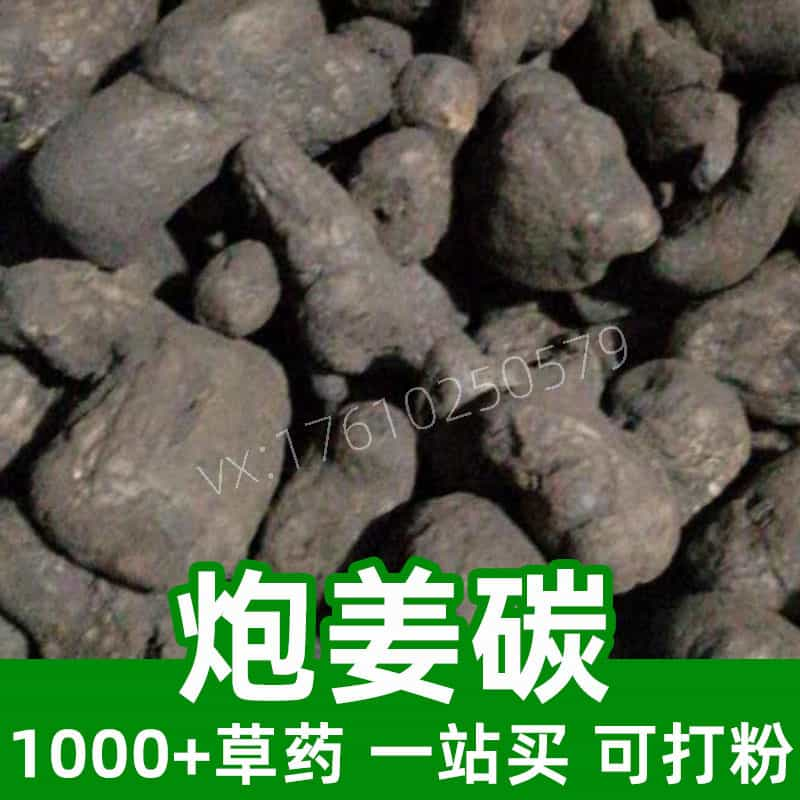



Pao Jiang (Tan) Product Introduction
Pao Jiang (Tan) is produced by carbonizing premium fresh ginger, preserving its unique ginger compounds such as curcumin, zingiberene, and gingerols. The carbonization process employs high-temperature treatment, enhancing its medicinal value while retaining ginger’s characteristic properties.
The origins of Pao Jiang (Tan) trace back to ancient Chinese medicine preparation techniques. By carefully selecting high-quality ginger and subjecting it to rigorous carbonization, the final product emerges as black granules or chunks. This meticulous process ensures product quality and therapeutic efficacy.
In traditional Chinese medicine, Pao Jiang (Tan) has wide-ranging applications, including warming the interior, relieving cold, promoting energy flow, and reducing dampness. It is commonly used to address symptoms such as cold-induced abdominal pain, chills, vomiting, or cold stomach-related conditions. Additionally, it holds value in the food industry, pharmaceutical formulations, and health supplements.
In summary, Pao Jiang (Tan) stands out as a versatile traditional medicinal material with significant therapeutic and industrial applications. Its unique production process and rich ginger compounds secure its prominence in traditional Chinese medicine.
Key Active Ingredients in Pao Jiang (Tan)
The primary active components of Pao Jiang (Tan) derive from the raw ginger and transformations during the carbonization process. Key components include:
- Carbon: The main constituent formed during carbonization. It exhibits adsorption and detoxification properties, aiding in detoxifying and balancing dampness.
- Curcumin: A bioactive compound abundant in ginger, offering antioxidant, anti-inflammatory, and antimicrobial benefits. It supports immunity and inflammation reduction.
- Gingerol Compounds: Includes pungent substances like gingerols and shogaols that retain warmth-enhancing and energy-balancing properties.
- Volatile Oils: Contains ginger oil and related volatile compounds with stimulating and warming effects, helping alleviate cold and promote circulation.
- Other Active Compounds: Includes zingiberene and zingiberone, which form or remain intact during carbonization, contributing to medicinal activities.
The combination of preserved and newly formed active ingredients gives Pao Jiang (Tan) its potent therapeutic effects. Its rich composition makes it a valuable addition to traditional medicine, food, and health industries.
Applications and Dosage of Pao Jiang (Tan)
As a critical ingredient in traditional medicine and food industries, Pao Jiang (Tan) serves multiple purposes:
1. Traditional Medicine Applications
- Warming and Dispelling Cold: Treats cold-induced pain, vomiting, and diarrhea.
- Reducing Dampness and Phlegm: Alleviates chronic stagnation and damp-related symptoms.
- Detoxifying and Insect Control: Used for food poisoning, bites, or other toxic exposures.
2. Food Industry Applications
- Flavor Enhancer: Adds unique ginger and charcoal-like flavors to dishes.
- Food Additive: Provides antioxidant, preservative, and antimicrobial properties, extending shelf life.
- Functional Foods: Incorporated into products like ginger carbon tea or cookies for combined health and culinary benefits.
Dosage
- In Traditional Medicine: Typically ground into fine powder; 3–6 grams per dose, prepared as a decoction or infusion. Adjust based on individual needs.
- As a Food Additive: Use at 0.1% to 1% of the total product weight, adjusted per recipe requirements.
Proper dosage ensures desired effects while avoiding overuse in either medicinal or food contexts.
Source Plant Overview: Ginger (Zingiber officinale Roscoe)
[Plant Name] Ginger
[Scientific Name] Zingiber officinale Roscoe
[Alternate Names] Fresh Ginger
[Geographic Distribution]
- Originates from tropical Asia, widely grown in China, India, Malaysia, Thailand, and more.
- In China, major cultivation areas include Yunnan, Guangdong, Guangxi, Fujian, and Hunan, with Yunnan’s ginger being particularly renowned.
[Growth Environment]
- Thrives in tropical and subtropical climates, preferring warm, humid conditions.
- Grows best in loose, well-drained soils and areas with abundant sunlight and consistent temperatures of 20–30°C.
[Growth Habits]
- A perennial herb with underground rhizomes that sprout and flourish in spring.
- Requires sufficient water, nutrients, and sunlight for optimal growth, producing high-quality ginger for carbonization.
Ginger’s adaptability and widespread cultivation make it an ideal source for producing high-quality Pao Jiang (Tan).
Harvesting, Processing, and Storage of Pao Jiang (Tan)
1. Harvesting
- Ginger is harvested after the plant’s growth period ends, typically when the aboveground parts wither.
- Careful handling during harvest prevents damage, maintaining the quality of the raw ginger.
2. Processing
- Freshly harvested ginger is cleaned and dried before undergoing heat treatment (steaming or roasting) to enhance flavor and reduce microbial contamination.
- The prepared ginger is then carbonized through high-temperature processes to achieve the desired texture and composition.
3. Storage
- Store finished Pao Jiang (Tan) in cool, dry, and ventilated areas to preserve flavor and active compounds.
- Use sealed containers to prevent moisture, contamination, and spoilage.
4. Quality Assurance
- Regular inspections ensure no off-odors or visible mold during storage. Any anomalies are addressed promptly.
[Shelf Life] Properly processed and stored Pao Jiang (Tan) remains effective for several months to over a year, depending on storage conditions.
In conclusion, adherence to optimal harvesting, processing, and storage practices guarantees the quality, safety, and effectiveness of Pao Jiang (Tan), enabling its wide application in medicine and industry.

Monica Sun is a seasoned expert in the natural raw materials industry, with over a decade of experience specializing in traditional Chinese medicinal herbs, spices, and fungi. She is skilled in the sourcing, processing, and application of these materials, emphasizing sustainability and innovation. Monica Sun has contributed to the development of high-quality natural raw materials that serve as essential components in functional foods, pharmaceuticals, and cosmetics, delivering tailored solutions to meet diverse market needs.
.jpg)