



Product Introduction
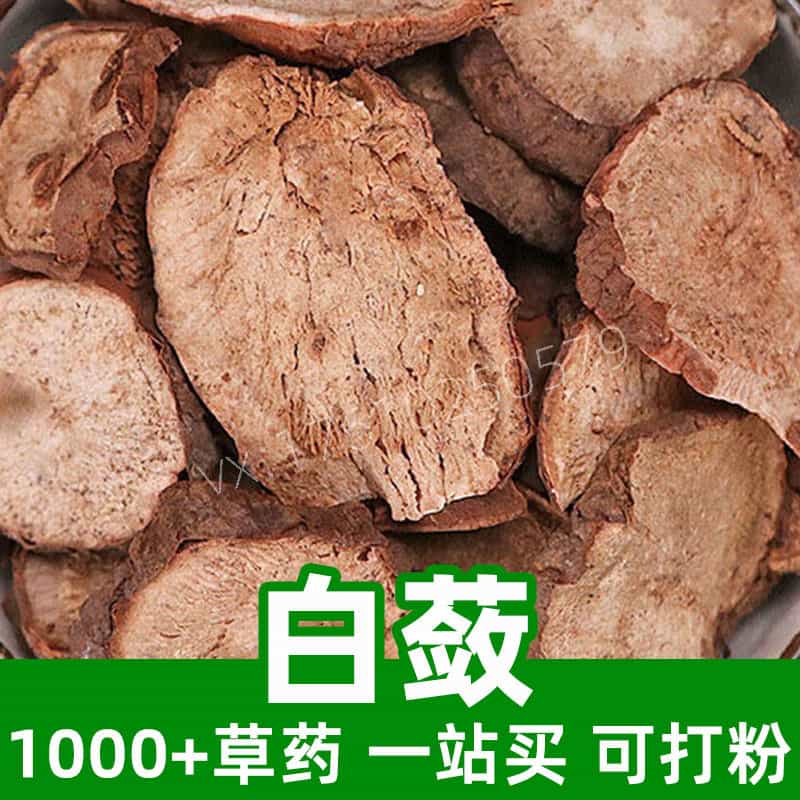
Japanese Ampelopsis, or Bai Lian, is a perennial vine commonly used in traditional Chinese medicine. The plant's rhizome is the primary medicinal part, valued for its ability to tonify the spleen and stomach, dispel dampness, and improve digestion. It is often used in herbal formulas to treat various digestive disorders, including bloating, abdominal pain, and loss of appetite.
Main Active Ingredients
The medicinal properties of Japanese Ampelopsis can be attributed to several active compounds, including:
- Polysaccharides: These complex carbohydrates play a crucial role in enhancing immune function and promoting overall health.
- Flavonoids: These compounds possess antioxidant and anti-inflammatory properties, helping to protect cells from damage and reduce inflammation.
- Volatile Oils: These compounds contribute to the plant's distinctive aroma and may have antimicrobial and anti-inflammatory effects.
Product Application Scenarios, Usage, and Dosage
Japanese Ampelopsis is widely used in traditional Chinese medicine. It is often prepared as decoctions, pills, or powders. The dosage and duration of treatment vary depending on the specific condition and the individual's response. It is essential to consult with a qualified healthcare professional before using Japanese Ampelopsis.
Introduction to the Source Plant, Distribution, and Growth Environment
Japanese Ampelopsis is native to East Asia, including China, Japan, and Korea. It thrives in diverse environments, from forests to mountainsides. The plant prefers moist, shady conditions and can tolerate a wide range of soil types.
Harvesting, Processing, and Storage
The rhizomes of Japanese Ampelopsis are typically harvested in the autumn. After harvesting, they are cleaned, dried, and sometimes sliced or powdered. Proper storage is essential to maintain the herb's potency. It should be stored in a cool, dry, and dark place, away from moisture and direct sunlight.

Monica Sun is a seasoned expert in the natural raw materials industry, with over a decade of experience specializing in traditional Chinese medicinal herbs, spices, and fungi. She is skilled in the sourcing, processing, and application of these materials, emphasizing sustainability and innovation. Monica Sun has contributed to the development of high-quality natural raw materials that serve as essential components in functional foods, pharmaceuticals, and cosmetics, delivering tailored solutions to meet diverse market needs.
.jpg)