



Product Introduction
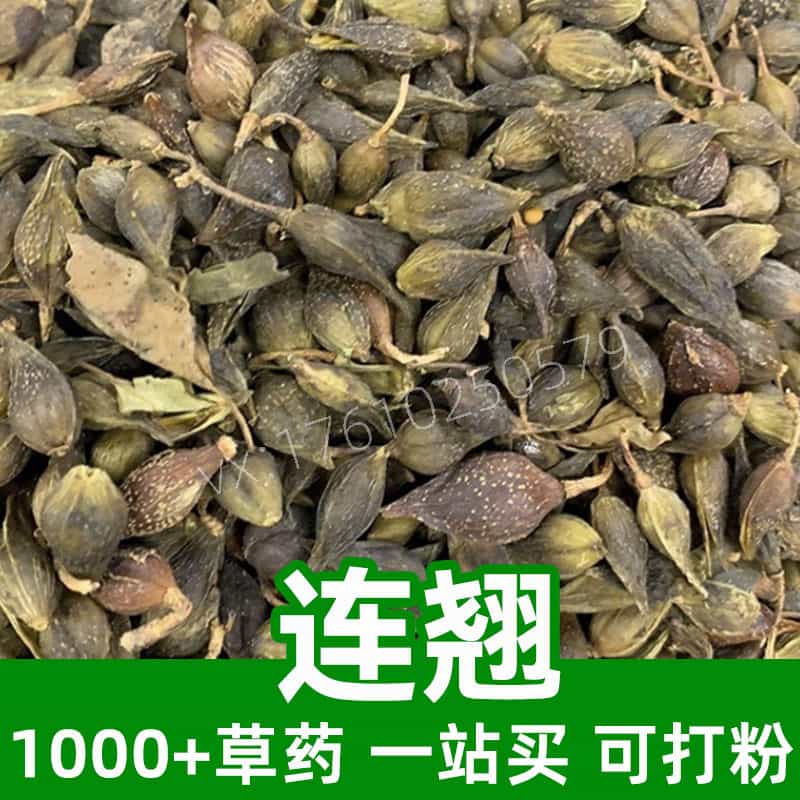
Forsythia suspensa seeds, known as Lian Qiao in traditional Chinese medicine (TCM), are derived from the Forsythia suspensa, a shrub native to East Asia. The seeds are integral to many herbal formulas and are celebrated for their beneficial properties. Traditionally, these seeds are harvested in late summer to early fall when ripe for maximum potency. Forsythia suspensa seeds are characterized by their hard, flat shape and are often included in herbal decoctions or teas. The main components found within these seeds encompass various active natural compounds, including forsythosides, which are believed to aid in various health and wellness applications. In TCM, Lian Qiao is renowned for its purging and detoxifying qualities, making it a favorite among herbalists.
These seeds have also found a place in the culinary world, often being incorporated into soups and broths for flavor enhancement. Their bitter and slightly sweet flavor profile adds depth to dishes while simultaneously imparting the unique herbal essence that is a hallmark of traditional Chinese cuisine. Due to their longstanding usage, forsythia suspensa seeds continue to be a point of interest for herbal enthusiasts and practitioners.
Main Active Ingredients
The efficacy of Forsythia suspensa seeds can be attributed to their rich composition of active ingredients. The primary compounds include forsythoside A and forsythoside B, which are categorized under phenylethanoid glycosides. These compounds are renowned for their potent bioactivity and potential therapeutic benefits in traditional applications. Forsythoside A is especially noted for its antioxidant properties, which help in neutralizing free radicals and may contribute to overall health.
Additionally, these seeds contain flavonoids, which are known for their anti-inflammatory and antimicrobial actions. Flavonoids play a crucial role in modulating cellular functions and supporting the immune system. The presence of essential oils adds another dimension, offering aromatic qualities alongside potential therapeutic benefits. It is worth noting that the seeds have been subjected to various studies that explore their pharmacological activities, highlighting their relevance to health and well-being.
Moreover, Forsythia suspensa seeds are considered to have beneficial effects on various body systems. In TCM, the interaction of these active compounds with specific meridian pathways is believed to facilitate the movement of qi and blood, enhancing overall harmony within the body. This holistic approach emphasizes the importance of the chemical constituents found in forsythia seeds and their interplay within traditional medicinal practices.
Product Application Scenarios, Usage, and Dosage
Forsythia suspensa seeds are primarily utilized in traditional Chinese medicine, where they are renowned for their detoxifying and purging properties. They are often included in herbal decoctions aimed at easing mild discomforts associated with heat and toxins in the body. The seeds can be processed into teas, tinctures, or powders, and provide a harmonious balance when combined with complementary herbs.
A traditional dosage recommendation typically ranges around 6-12 grams of dried seeds per day, often incorporated into herbal formulas. They can be boiled in water to create a concentrated decoction or included in soup stocks to enhance not only flavor but also the nutritional profile of meals. Furthermore, these seeds lend themselves elegantly to modern culinary applications, being added to broths, herbal infusions, hot beverages, or even skincare products for their beneficial properties.
Practitioners of traditional Chinese herbal medicine often recommend forsythia seeds for patients seeking to balance their internal systems. Being bitter and somewhat sweet, they can also be paired with other herbs to promote a more complex flavor profile in culinary applications. It is essential to note that before using forsythia suspensa seeds, individuals should consult with qualified health practitioners, particularly if they have pre-existing health conditions or are taking other medications.
Introduction to the Source Plant, Distribution, and Growth Environment
Forsythia suspensa, commonly known as Forsythia, is a flowering shrub native to East Asian regions, particularly China and Korea. This deciduous plant belongs to the Oleaceae family and is typically recognized by its vibrant yellow flowers that bloom in early spring, signaling the onset of warmer weather. The shrub can reach a height of around 1 to 3 meters, with arching branches that provide an appealing aesthetic in garden landscapes.
The natural habitat of Forsythia suspensa is varied, often thriving in mountainous regions, open woodlands, and along wooded stream banks. It favors well-drained soil and is usually found at altitudes ranging from 300 to 2,200 meters. The plant benefits from a temperate climate, requiring adequate rainfall and sunshine to flourish. Forsythia plants are often cultivated not only for their decorative flowers but also for their utility in traditional herbal medicine, particularly in the development of forsythia suspensa seeds.
Cultivation of this herb involves careful attention to its growth conditions, as the quality of the seeds is significantly influenced by factors such as soil type, sunlight exposure, and moisture levels. Farmers often employ sustainable practices to ensure the vitality of the plants, promoting optimal growth and maximizing seed yield. As awareness of traditional remedies grows, Forsythia suspensa continues to gain recognition both regionally and globally for its herbal benefits, leading to increased interest in its cultivation and use.
Harvesting, Processing, and Storage
The process of harvesting Forsythia suspensa seeds is crucial to preserving their quality and potency, typically commencing in late summer after the fruit has fully ripened. The Forsythia fruits are green initially, transitioning to a pale yellow as they mature. Once harvested, the fruits are left to dry until they assume a brown appearance, indicating they are ready for seed extraction.
After the drying process, the fruits are carefully split open to release the small seeds inside. This may be done manually or through mechanical means, ensuring minimal damage to the seeds. Post-extraction, the seeds are further dried to reduce moisture content which is imperative to prevent mold and prolong shelf life.
Proper storage of Forsythia suspensa seeds is essential for maintaining their herbal properties. They should be kept in airtight containers, away from direct sunlight and moisture, ideally stored in a cool and dry environment. When stored correctly, the seeds can retain their efficacy for an extended period, allowing for their continued use in herbal formulations or culinary applications.
Given the growing interest in natural remedies and herbal supplements, attention to proper harvesting and processing techniques has become increasingly important. Educating individuals involved in the cultivation and harvest of Forsythia suspensa not only enhances the quality of the seeds produced but also ensures that the benefits of this valuable herb are accessible for years to come.

Monica Sun is a seasoned expert in the natural raw materials industry, with over a decade of experience specializing in traditional Chinese medicinal herbs, spices, and fungi. She is skilled in the sourcing, processing, and application of these materials, emphasizing sustainability and innovation. Monica Sun has contributed to the development of high-quality natural raw materials that serve as essential components in functional foods, pharmaceuticals, and cosmetics, delivering tailored solutions to meet diverse market needs.
.jpg)