
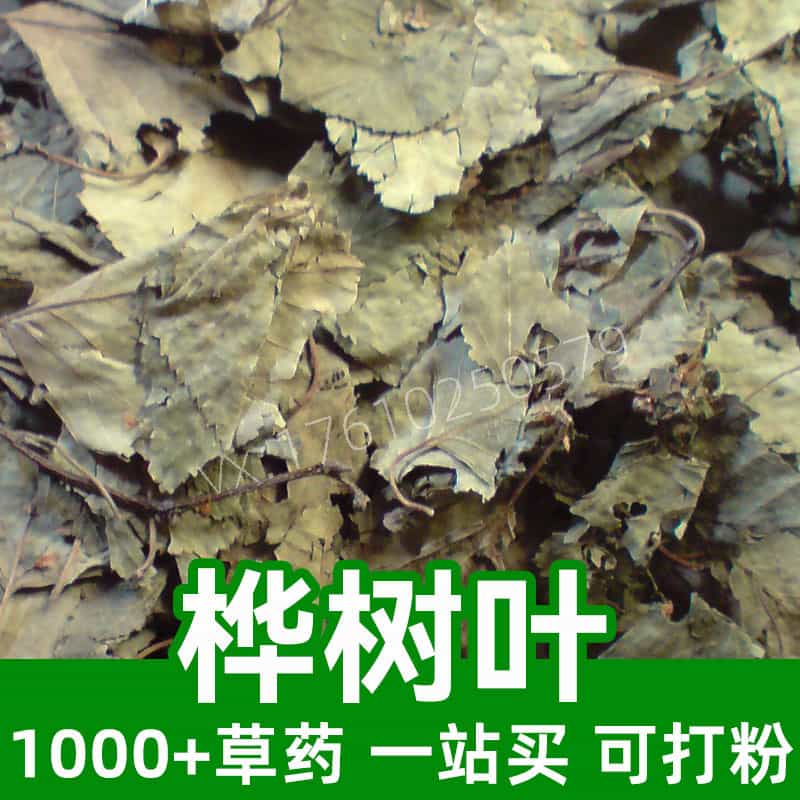



Birch Leaf Product Introduction
Birch leaves, from the Betula genus, are a common herbal material with a variety of beneficial compounds, including flavonoids, volatile oils, vitamin C, and organic acids. These leaves primarily grow in the cold northern regions of Europe, North America, and parts of Asia. Birch leaves are widely used in Traditional Chinese Medicine (TCM) for their heat-clearing, detoxifying, wind-dispersing, and swelling-reducing properties. They are commonly used for treating conditions like rheumatic joint pain, colds, fever, and skin itching. Birch leaves can also serve as ingredients in health supplements and cosmetic products, helping to improve overall health and skin condition.
Main Active Components of Birch Leaf
Birch leaves contain several key active ingredients that contribute to their medicinal and health benefits:
- Flavonoids: Birch leaves are rich in flavonoids such as quercetin and kaempferol. These compounds have antioxidant, anti-inflammatory, and antibacterial effects, helping protect the body from free radical damage and reduce inflammation.
- Volatile Oils: Birch leaves contain volatile oils, with major components like betulinic acid and betulol. These oils have anti-inflammatory, analgesic, and antimicrobial properties, often used in treating respiratory infections and skin inflammation.
- Vitamin C: Birch leaves are high in vitamin C, which helps boost immunity, supports antioxidant processes, and is beneficial in preventing colds and reducing fatigue.
- Organic Acids: Organic acids, such as malic acid and citric acid, found in birch leaves, have heat-clearing, detoxifying, diuretic, and anti-swelling effects, commonly used in treating conditions like damp-heat phlegm and edema.
- Other Compounds: Birch leaves also contain terpenes and polyphenolic substances that exhibit antibacterial, anti-inflammatory, and antioxidant activities, further enhancing their health benefits.
These active compounds work synergistically, contributing to the wide range of therapeutic and health-promoting effects of birch leaves, making them popular in TCM and wellness products.
Birch Leaf Applications and Dosage
Birch leaves are utilized in various fields, especially in TCM and food products, for their medicinal and health benefits. Below are the common applications and recommended dosages:
- Traditional Chinese Medicine Applications:
- Heat-Clearing and Detoxifying: Birch leaves help clear heat and detoxify, often used for treating heat-related illnesses, sore throats, and inflammation.
- Wind-Dispersing and Cold-Expelling: Birch leaves are warm in nature and spicy in taste, helping to dispel wind and cold. They are used for treating cold-induced respiratory issues and rheumatic joint pain.
- Diuretic and Anti-Swelling: Birch leaves promote urination and reduce swelling, commonly used for conditions like edema.
- Cough-Relieving and Phlegm-Reducing: Birch leaves are effective in alleviating coughing and excessive phlegm.
- Food Industry Applications:
- Herbal Tea: Birch leaves can be used to make a natural herbal tea that has heat-clearing and digestion-promoting effects. A typical dose is 3–5 grams of dried birch leaves per cup.
- Seasoning: Dried birch leaves can be ground into a powder and used as a seasoning to enhance the aroma and taste of food. The amount used depends on the dish, typically sprinkled as needed.
- Food Additive: Birch leaf extract can be used as a food additive to improve antioxidant properties and extend shelf life. The dosage should be strictly controlled based on production requirements.
- External Use Applications:
- Herbal Poultice: After boiling, birch leaves can be applied as a poultice for treating eczema, dermatitis, and other skin conditions. Simply boil the leaves, cool, and apply to affected areas.
- Bath Additive: Birch leaf infusion can be added to bathwater for relieving fatigue, soothing the skin, and promoting blood circulation.
In general, birch leaves have various applications in both medicinal and wellness contexts. Proper dosage and application methods should be followed based on individual needs, with advice from a healthcare provider or pharmacist.
Birch Leaf Plant Source, Distribution, and Growing Environment
Birch leaves come from trees in the Betula genus, which belongs to the Betulaceae family. Here’s an overview of the source plant, its distribution, and growing environment:
- Plant Overview:
- Scientific Name: *Betula*, belonging to the Betulaceae family.
- Physical Characteristics: Birch trees are deciduous hardwood trees or shrubs with white or grayish-white bark, smooth or slightly textured. Their leaves are alternate, usually oval or diamond-shaped with serrated edges and prominent veins.
- Flower and Fruit Characteristics: Birch trees produce unisexual flowers on the same tree, with male flowers in catkins and female flowers in axillary or terminal clusters. The fruit is a winged nutlet, with the seeds encased in a wing.
- Distribution:
- Global Distribution: Birch trees are found widely in temperate and cold regions, mostly in the northern hemisphere, including Europe, Asia, and North America.
- Distribution in China: In China, birch trees are found primarily in the northeast, Inner Mongolia, Xinjiang, and high-altitude areas in the southwest.
- Growing Environment:
- Habitat Requirements: Birch trees prefer cold, moist environments and are tolerant of various soil types, though they thrive in loose, well-drained soils.
- Altitude Range: Depending on the species, birch trees can grow at altitudes ranging from 1,000 meters to 3,000 meters.
- Growth Habits: Birch trees grow rapidly and are among the first to sprout in spring. They are resistant to cold and drought but some species have specific light and temperature requirements.
The widespread distribution and adaptability of birch trees make their leaves an important resource in various industries, including medicine, food, and crafts.
Birch Leaf Harvesting, Processing, and Storage
Proper harvesting, processing, and storage are critical for maintaining the quality and effectiveness of birch leaves. Here’s an overview of these processes:
- Harvesting:
- Optimal Timing: Birch leaves are typically harvested during the spring and early summer, when the leaves are tender, green, and nutrient-rich.
- Harvesting Method: Hand-picking is usually preferred, ensuring the leaves come from healthy, disease-free trees, and minimizing damage to the plants.
- Processing:
- Cleaning: Harvested birch leaves need to be cleaned to remove dirt, impurities, and surface dust.
- Drying: Cleaned leaves should be spread out in a well-ventilated, shaded area and left to dry until fully dehydrated.
- Shredding: Once dried, the leaves may be shredded to make storage and usage easier.
- Storage:
- Moisture Prevention: Dried birch leaves should be kept in a dry, well-ventilated area to prevent moisture and mold.
- Sealing: Shredded leaves can be placed in sealed bags or jars to protect them from air and moisture, extending their shelf life.
- Light Protection: During storage, keep the leaves away from direct sunlight to maintain their color and medicinal properties.
- Precautions:
- Avoid High Temperatures: High temperatures can degrade the nutrients in birch leaves, so they should not be stored in warm conditions.
- Regular Checks: Periodically inspect stored birch leaves for mold or unusual odors, and replace or discard any compromised leaves.
- Use with Care: When using birch leaves, be mindful of the recommended amounts, and check for any signs of spoilage before use.

Monica Sun is a seasoned expert in the natural raw materials industry, with over a decade of experience specializing in traditional Chinese medicinal herbs, spices, and fungi. She is skilled in the sourcing, processing, and application of these materials, emphasizing sustainability and innovation. Monica Sun has contributed to the development of high-quality natural raw materials that serve as essential components in functional foods, pharmaceuticals, and cosmetics, delivering tailored solutions to meet diverse market needs.

.jpg)