
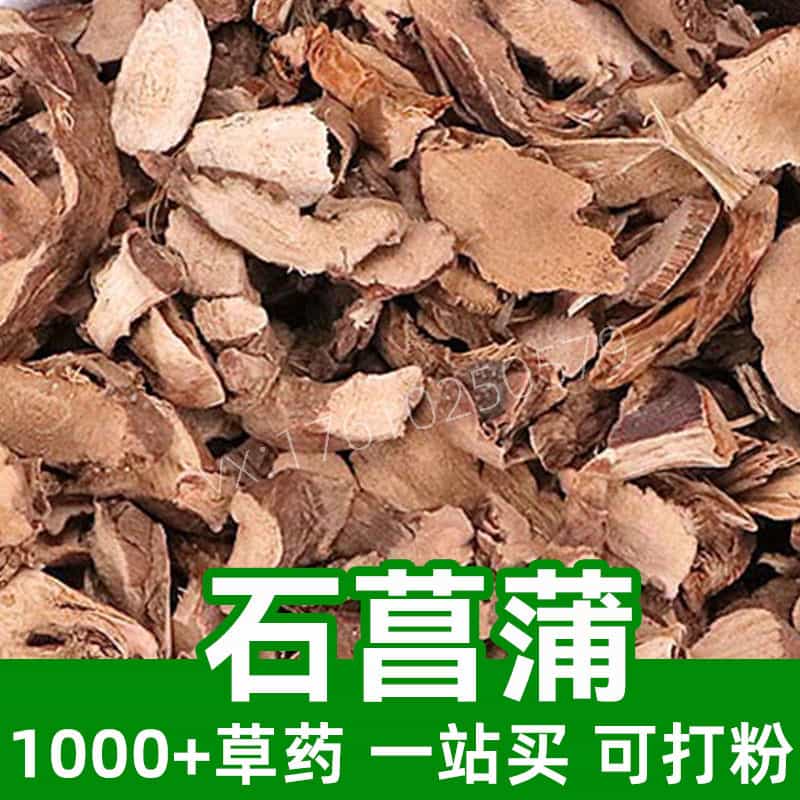



Calamus-Acorus calamus product introduction
Acorus calamus is a perennial aquatic plant, the main components of which include volatile oils, aldehydes, ketone compounds, tannins, flavonoids and polysaccharides. It grows in aquatic environments such as wetlands, ponds and ponds. Acorus calamus has a long history in traditional Chinese medicine and is widely used for its effects of promoting qi and blood circulation, removing dampness and reducing phlegm. It is often used to treat digestive problems such as stomachache, nausea and vomiting. At the same time, in the food industry, Acorus calamus is also used as a seasoning and for extracting volatile oils.
Calamus-Main active ingredients of Calamus
The main active ingredients of Acorus calamus include volatile oils, tannins, flavonoids, polysaccharides, etc.
- Volatile oil: Acorus calamus-Acorus calamus contains abundant volatile oil, among which volatile components are one of its main active ingredients. These volatile components include anisaldehyde, sandalaldehyde, anisone, etc., which have the effects of promoting blood circulation, relaxing muscles and tendons, promoting qi and removing dampness, etc.
- Tannin: Acorus calamus-Acorus calamus contains tannin components, which have astringent, hemostatic, antibacterial and anti-inflammatory effects. It is often used to treat intestinal diseases such as diarrhea and gastroenteritis.
- Flavonoids: Acorus calamus - Acorus calamus is rich in flavonoids, such as gardeniaflavin and rutin. These substances have antioxidant, anti-inflammatory and antibacterial effects, which help improve the body's immune function and resistance.
- Polysaccharides: Acorus calamus - Acorus calamus also contains polysaccharides, which have the function of regulating immune function and enhancing disease resistance. It is often used to improve the body's immunity and resistance and prevent colds and other diseases.
These active ingredients work together in the medicinal effects of calamus-calamus, making it widely used in the field of traditional Chinese medicine. It is often used to treat digestive system problems, eliminate dampness and phlegm, and promote blood circulation. At the same time, in the food industry, these ingredients are also used as seasonings and food additives to provide flavor and increase nutrition to food.
Calamus-Application scenarios and usage and dosage of Calamus
Acorus calamus-Acorus calamus has a wide range of applications in traditional Chinese medicine and food, and its usage and dosage vary depending on the purpose.
Application scenarios of traditional Chinese medicine:
- Regulate the spleen and stomach: Calamus-Acorus calamus can be used to regulate the spleen and stomach, help digestion, and treat digestive system problems such as food accumulation, spleen deficiency and diarrhea. It is commonly used for symptoms such as food accumulation, abdominal distension, and diarrhea.
- Removing dampness and resolving phlegm: Acorus calamus has the effect of removing dampness and resolving phlegm, and is often used to treat symptoms such as dizziness, headache, nausea and vomiting caused by dampness, turbidity and phlegm.
- Relax the tendons and activate the collaterals: Acorus calamus-Acorus calamus has the effect of warming the tendons and collaterals, relaxing the tendons and activating the collaterals, and is often used to treat symptoms such as rheumatoid arthritis and muscle and bone pain.
- Calming the mind and calming the spirit: Calamus-Acorus calamus also has the effect of calming the mind and calming the spirit, and can be used to treat symptoms such as insomnia, forgetfulness, and dreaminess.
Usage and Dosage:
- Decoction for drinking: Put an appropriate amount of dried calamus-water calamus into a pot, add water and boil, take the juice and drink it, 1-2 times a day, 5-10 grams each time.
- Medicinal cooking: Calamus-Acorus calamus can be used in cooking medicinal food, such as stewing chicken, making soup, etc., to enhance the medicinal effects of food.
- Topical application: Mix finely ground calamus-Acorus calamus with appropriate amount of water to make a paste. Apply it on the affected area to help relieve symptoms such as joint pain and rheumatism.
Food application scenarios:
- Seasoning: Calamus - Calamus can be used as a seasoning to increase the aroma and taste of food, such as in cooking meat, soups and other dishes.
- Food additives: Calamus - The aroma of calamus can be used as a food additive, such as making flavors, spices, etc.
- Making tea: Calamus-Acorus calamus can be used to make tea, such as calamus tea, which has the effect of clearing away heat and relieving summer heat, and refreshing the mind.
Usage and Dosage:
- Cooking: Calamus-Acorus calamus can be used as a raw material for cooking, but the dosage should not be too much, generally not more than 5 grams each time.
- Seasoning: Add appropriate amount of calamus-calamus powder to food. The amount used for seasoning depends on personal taste and should not be excessive.
Acorus calamus has a long history of application in traditional Chinese medicine and food, but it should still be used with caution, especially in terms of medicinal use, it should be used under the guidance of a doctor or Chinese medicine practitioner.
Calamus-Introduction to the source plants, distribution and growth environment of Calamus
Acorus calamus L., scientifically known as calamus, is a perennial herb belonging to the Araceae family and the genus Acorus. Acorus calamus is a common variant. The following will introduce the source plant, distribution and growth environment of Acorus calamus.
Source Plant Introduction:
Acorus calamus - Acorus calamus is a variety of the genus Acorus, similar to other calamus plants, but with more aquatic characteristics. It typically has long, narrow leaves that are hard, smooth, and evergreen. The plant usually grows near bodies of water such as lakes, rivers, and wetlands.
distributed:
Acorus calamus is widely distributed, mainly growing in temperate and tropical regions of Asia, Europe, North America, etc. In China, Acorus calamus is widely distributed in the Yangtze River Basin, the Yellow River Basin, the southeastern coastal areas, and lakes, rivers and wetland areas in the southwest.
Growing environment:
Acorus calamus is a plant that likes a humid environment and usually grows in shallow water areas with a depth of no more than half a meter. It can grow in various freshwater bodies such as lakes, ponds, streams, rivers, and can also grow in wetlands, swamps and riverbanks. Acorus calamus has a strong adaptability to the growing environment and can tolerate a certain degree of sunlight and shade, but it has high requirements for water quality and cannot grow in overly polluted or salinized waters.
In general, calamus-calamus is an aquatic plant that is widely distributed in waters in temperate and tropical regions around the world. It likes to grow in shallow water areas with a depth of no more than half a meter, such as lakes, rivers, and wetlands. It has a strong adaptability to the growth environment and is a common aquatic plant.
Acorus calamus-harvesting, processing and storage of Acorus calamus
The harvesting, processing, storage and preservation of calamus-calamus are important links to ensure its medicinal and edible value. The following will introduce the harvesting, processing, storage and preservation methods of calamus-calamus:
Harvest:
- Harvesting time: The harvesting time of calamus-calamus is generally during the vigorous growth period from spring to summer, usually when the plant is growing vigorously and the leaves are lush.
- Harvesting method: Collect the whole plant or part of the underground rhizome of Acorus calamus by hand or with tools. When harvesting, care should be taken to protect the plant and try to avoid damaging its root system and underground rhizome.
- Cleaning: After harvesting, wash the calamus-calamus to remove dirt, impurities and dirt attached to the leaves, then dry them for later use.
Processing:
- Slice and dry: Cut the cleaned calamus-calamus stems and leaves into slices of appropriate size, then spread them in a ventilated and cool place and dry them until the moisture content is appropriate.
- Crushing: The dried stems and leaves of Acorus calamus can be crushed to make medicinal powder or food additives.
- Selection and packaging: After processing, the calamus-water calamus should be selected, and the parts with insect infestation, mildew or other abnormal phenomena should be removed, and then packaged and sealed to prevent moisture and damage.
Storage:
- Dry storage: Store the processed calamus-calamus in a ventilated and dry environment, avoid direct sunlight and humid environment to prevent mildew and quality deterioration.
- Sealed packaging: Put the dried calamus-calamus into a dry, breathable sealed container and store it in a sealed manner to extend its shelf life.
- Avoid mixing: Avoid mixing with other items with strange smells during storage to avoid affecting its quality and taste.
In summary, the harvesting, processing, storage and preservation of calamus-calamus require attention to the timing and method of harvesting, proper handling during processing, keeping it dry and ventilated during storage, and paying attention to sealed packaging to ensure its medicinal and edible value.

Monica Sun is a seasoned expert in the natural raw materials industry, with over a decade of experience specializing in traditional Chinese medicinal herbs, spices, and fungi. She is skilled in the sourcing, processing, and application of these materials, emphasizing sustainability and innovation. Monica Sun has contributed to the development of high-quality natural raw materials that serve as essential components in functional foods, pharmaceuticals, and cosmetics, delivering tailored solutions to meet diverse market needs.

.jpg)