


Product Introduction
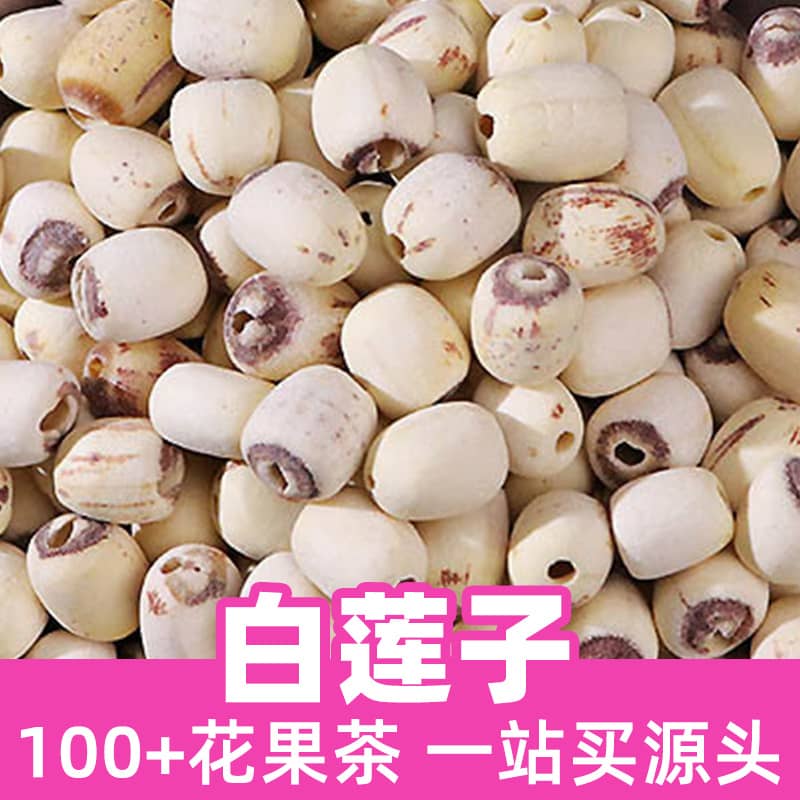
White lotus seeds, derived from the Euryale Fox plant, are admired for their nutritional benefits and culinary applications. They have been used for centuries in traditional Asian cooking and herbal medicine. The seeds are usually dried before use, allowing them to retain their flavor and health properties. Known for their soothing effects, they are often incorporated into various dishes, including soups and desserts, and are also enjoyed as herbal teas.
Nutritional Components
White lotus seeds are a good source of protein and dietary fiber, making them beneficial for digestive health. They contain essential minerals such as magnesium and potassium, which are vital for heart health and maintaining proper bodily functions. Additionally, these seeds have antioxidants that help combat oxidative stress in the body. Regular consumption may contribute to improved skin health and overall well-being, supporting various bodily systems.
Production Process
The production of white lotus seeds begins with the harvesting of the Euryale Fox plant during the summer months when the seeds have fully matured. After harvesting, the seeds are washed, parboiled, and dried to remove moisture, which helps in preserving their natural nutrients. Dried seeds are then sorted and packaged for distribution. The production process ensures that the seeds retain their quality and flavor, making them suitable for different culinary applications.
Application Scenarios
White lotus seeds are versatile and can be used in numerous ways. In traditional medicine, they are valued for their calming properties and are often brewed in teas. In cooking, they can be found in sweet dishes like lotus seed soup or used as a crunchy topping for salads. They can also be ground into powder for use in snacks or desserts, providing a subtle sweetness and nutty taste that enhances various recipes.
Plant Source
The white lotus plant, scientifically known as Euryale Fox, grows in shallow freshwater bodies in Asia. The seeds develop underwater and are harvested once they are ripe. This plant thrives in warm climates, predominantly found in regions like China, India, and Japan. The cultivation of white lotus requires careful management of water levels and exposure to sunlight, ensuring quality seed production.
Packaging and Storage
White lotus seeds are typically packaged in bulk and smaller quantities to meet different consumer needs. The recommended storage conditions are crucial to maintaining the seeds' quality and extending their shelf life. The seeds should be kept sealed and stored in a cool, dry, and dark place to prevent degradation and preserve their nutritional value. Packaging options include fiber drums for bulk orders and aluminum foil bags for samples, protecting the seeds from light and moisture. The seeds have a shelf life of two years when stored properly.

Monica Sun is a seasoned expert in the natural raw materials industry, with over a decade of experience specializing in traditional Chinese medicinal herbs, spices, and fungi. She is skilled in the sourcing, processing, and application of these materials, emphasizing sustainability and innovation. Monica Sun has contributed to the development of high-quality natural raw materials that serve as essential components in functional foods, pharmaceuticals, and cosmetics, delivering tailored solutions to meet diverse market needs.