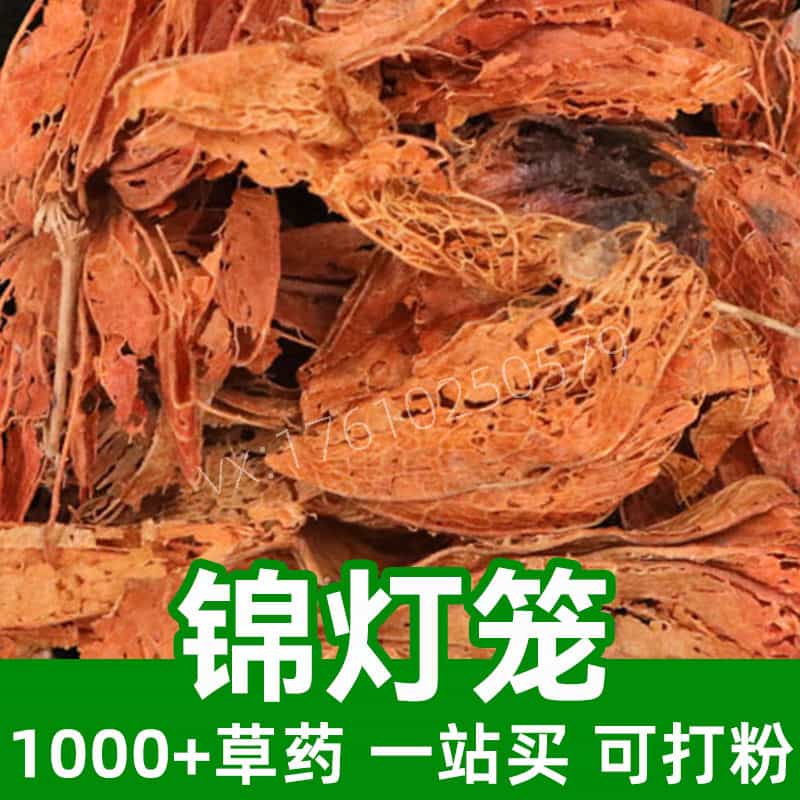



Chive Seed Product Introduction
Chive seeds are the mature seeds of the chive plant (Allium fistulosum L.), commonly used in traditional Chinese medicine preparations. Their main components include a rich array of nutrients such as protein, fat, carbohydrates, vitamin C, vitamin B1, vitamin B2, and carotene. Chive seeds are oval-shaped, with a smooth surface, ranging in color from dark green to blackish-brown, and have a faint aroma.
In the field of traditional Chinese medicine, chive seeds are widely used for their ability to promote blood circulation, remove blood stasis, reduce swelling and detoxify, and disperse cold to relieve pain. They are commonly used to treat conditions such as sores, swelling, trauma, carbuncles, and insect bites. With a neutral nature and spicy taste, they enter the liver meridian, helping to improve blood circulation, accelerate wound healing, and alleviate pain.
Chive seeds are obtained from the growth, flowering, and fruiting of the chive plant. After harvesting, they undergo drying and processing, allowing them to be stored for a long time while retaining their nutritional and medicinal value. Due to their broad efficacy, chive seeds are widely used in traditional Chinese medicine prescriptions and are often processed into medicinal slices or extracts for pharmaceutical production and traditional Chinese medical treatments.
Main Effective Ingredients of Chive Seeds
Chive seeds are a common traditional Chinese medicine, with main effective ingredients including a rich array of nutrients such as protein, fat, carbohydrates, vitamins, and minerals, as well as various pharmacologically active chemical components.
- Protein: Chive seeds contain abundant protein, which is one of the essential nutrients required for human growth and maintenance of life.
- Fat: Containing an appropriate amount of fat, with a high content of unsaturated fatty acids, which helps maintain vascular health and lower cholesterol levels.
- Carbohydrates: Chive seeds are rich in carbohydrates, which are an important source of energy for the body.
- Vitamins: Chive seeds are rich in vitamins C, B1, B2, and carotene, which play an important role in human health, such as enhancing immunity and promoting metabolism.
- Minerals: Chive seeds contain abundant potassium, calcium, magnesium, iron, and other minerals, which play an important role in physiological functions and metabolism.
Additionally, chive seeds contain some pharmacologically active chemical components, including:
- Sulfur-containing amino acids: Chive seeds contain sulfur-containing amino acids, which have antioxidant, anti-inflammatory, and antibacterial effects, helping to protect the liver and improve immune function.
- Aromatic compounds: The aromatic compounds in chive seeds have a spicy odor and possess the effects of promoting blood circulation, removing blood stasis, and dispersing cold to relieve pain.
- Phenolic compounds: Chive seeds contain various phenolic compounds, such as flavonoids and phenolic acids, which have anti-inflammatory, antioxidant, and antibacterial effects.
These components work together to endow chive seeds with certain medicinal value, commonly used in traditional Chinese medicine preparations for promoting blood circulation, dispersing cold to relieve pain, reducing swelling and detoxifying, and treating conditions such as trauma and carbuncles.
Application Scenarios and Usage of Chive Seeds
Chive seeds have a wide range of applications in traditional Chinese medicine and the food industry, mainly reflected in the following aspects:
- Traditional Chinese Medicine Application:
- Promoting blood circulation and removing blood stasis: Chive seeds are used to treat trauma, blood stasis, and other symptoms.
- Dispersing cold and relieving pain: Chive seeds can disperse cold and relieve pain, suitable for conditions such as wind-cold-damp arthralgia and cold-induced amenorrhea.
- Reducing swelling and detoxifying: Chive seeds have the effect of reducing swelling and detoxifying, and can be used to treat carbuncles, snake bites, and other conditions.
- Food Application:
- Flavoring agent: Chive seeds have a unique aroma and taste, commonly used as a food flavoring agent to enhance the flavor of foods.
- Health food: Chive seeds, rich in nutrients, can be consumed as health food, helping to improve immunity and promote health.
- Usage:
- Decoction for drinking: A suitable amount of chive seeds can be decocted and drunk, which helps promote blood circulation and remove blood stasis, generally used in amounts of 10-20 grams per time.
- Topical application for treatment: For bruises, swelling, carbuncles, and other external injuries, chive seeds can be ground into powder, mixed with water to form a paste, and applied to the affected area to reduce swelling and relieve pain.
- Precautions:
- Pregnant women should use with caution: Pregnant women should use chive seeds with caution and under the guidance of a doctor.
- Excessive use is prohibited: Chive seeds have a certain irritant effect, and excessive use may cause indigestion, gastrointestinal discomfort, and other issues, so the dosage should be controlled.
In summary, chive seeds, as a common traditional Chinese medicine and food flavoring agent, have important application value in traditional Chinese medicine and the food industry. When using, it is necessary to use them with caution according to the specific situation and follow medical advice or usage methods.
Introduction, Distribution, and Growth Environment of Chive Seed Source Plants
Chive seeds, scientifically named Allium tuberosum Rottler ex Spreng, are a common perennial herbaceous plant belonging to the Liliaceae family, genus Allium, and are the seeds of the chive plant. Below is an introduction to the source plant of chive seeds, their distribution, and growth environment:
- Plant Characteristics:
- Chive seeds are a perennial herbaceous plant with thickened rhizomes and tuberous roots, evergreen.
- The plant height is generally between 30-60 centimeters, with scaly leaves growing closely together, and a long flowering period.
- Distribution Range:
- Chive seeds are native to China, mainly distributed in North China, East China, Southwest China, and other regions.
- In addition to China, chive seeds are also cultivated around the world, including East Asia, Southeast Asia, Europe, and North America.
- Growth Environment:
- Chive seeds have strong adaptability and are not strict in environmental conditions, preferring warm and humid climates.
- The suitable growth temperature is 15-25 degrees Celsius, with good cold resistance, but poor tolerance to high temperatures, drought, and strong light.
- They prefer to grow in loose, fertile, well-drained soils, with relatively relaxed requirements for soil pH.
- Growth Habits:
- Chive seeds are generally propagated by sowing, with a long growth cycle, usually requiring 1-2 years to mature.
- During the growth process, chive seeds need an appropriate amount of moisture and sunlight, and regular fertilization helps improve yield and quality.
- Cultivation Methods:
- Autumn is the main sowing season for chive seeds, generally carried out between October and November.
- Before sowing, the soil should be loosened, and after sowing, a thin layer of soil should be covered, maintaining soil moisture.
- During the growth period, timely weeding, loosening the soil, and fertilizing are necessary to ensure the normal growth and development of chive seeds.
In summary, chive seeds are a plant with strong adaptability, mainly distributed in China and its surrounding areas, with relaxed requirements for growth environments, suitable for growth in warm and humid climates, and relatively relaxed soil requirements. With appropriate cultivation management, good yield and quality of chive seeds can be obtained.
Harvesting, Processing, and Storage of Chive Seeds
The harvesting, processing, and storage of chive seeds are important links to ensure their quality and nutritional value. Below is the relevant content:
- Harvesting Timing:
- The harvesting time of chive seeds is generally when the plant's fruits and seeds are mature, usually from spring to summer.
- Mature chive seed fruits turn brownish, the seeds inside are black, and the fruit begins to crack, indicating the time for harvesting.
- Harvesting Method:
- During harvesting, the entire plant can be uprooted, or only the fruit part can be picked.
- For the fruit part, it can be cut or picked manually or with tools.
- Processing Treatment:
- After picking, chive seeds need to be cleaned and air-dried to remove impurities and moisture.
- Cleaning can be done with clean water, followed by air-drying in a ventilated and dry place until the surface moisture has completely evaporated.
- Storage:
- After drying, chive seeds should be stored in a dry, ventilated, and cool place, protected from direct sunlight.
- They can be placed in dry, breathable containers, such as sealed bags or airtight jars, to prevent moisture ingress.
- During storage, regularly check the condition of the chive seeds, and if mold or odor appears, handle it promptly or replace the container.
- Quality Control:
- During storage, pay attention to changes in the quality of chive seeds, and if there are signs of insect damage or mold, handle it promptly to avoid affecting their quality.
- The storage period of chive seeds is generally long, but to ensure their freshness and nutritional value, it is recommended to use them as soon as possible.
Correct harvesting, processing, and storage can ensure that the quality and nutritional value of chive seeds are not compromised, extending their shelf life and allowing them to play a better role in daily life.

Monica Sun is a seasoned expert in the natural raw materials industry, with over a decade of experience specializing in traditional Chinese medicinal herbs, spices, and fungi. She is skilled in the sourcing, processing, and application of these materials, emphasizing sustainability and innovation. Monica Sun has contributed to the development of high-quality natural raw materials that serve as essential components in functional foods, pharmaceuticals, and cosmetics, delivering tailored solutions to meet diverse market needs.
.jpg)