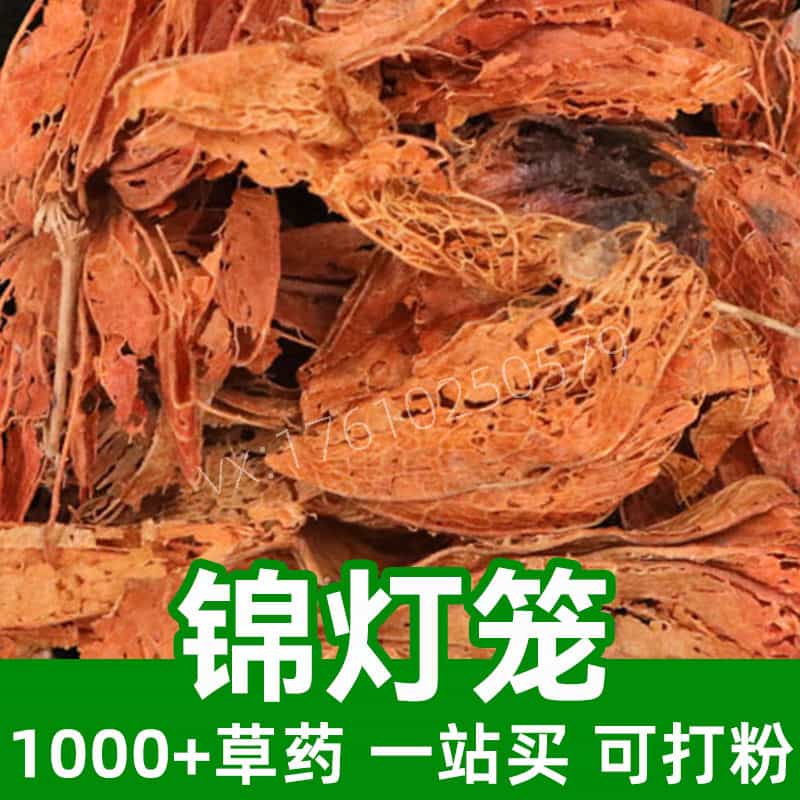



Coridius chinensis Product Introduction
The Coridius chinensis, also known as the Fragrant Mushroom or Grass Evodia, is an insect with both medicinal and edible value. Its primary components include terpenoid compounds, tannins, and volatile oils. This bug is mainly found in the southwestern regions of China, including Sichuan, Guizhou, and Yunnan. In traditional Chinese medicine, it is widely used for promoting blood circulation, relieving wind and dampness, and regulating Qi. It is also used to invigorate blood and Qi, and relax the tendons. Additionally, the Coridius chinensis is used as a flavoring agent in the food industry.
Main Active Components of the Coridius chinensis
The Coridius chinensis is an insect whose primary active ingredients include terpenoid compounds, tannins, volatile oils, and more.
- Terpenoid Compounds: The Coridius chinensis is rich in terpenoids, such as eugenol and quercetin. These compounds exhibit antimicrobial, anti-inflammatory, and antioxidant activities, providing various health benefits.
- Tannins: Tannins are one of the key components of the Coridius chinensis. They have astringent properties that help with stopping bleeding, tightening the intestines, and providing antibacterial effects. In traditional Chinese medicine, tannins are often used to treat diarrhea and bleeding.
- Volatile Oils: The Coridius chinensis contains volatile oils that contribute to its characteristic fragrance and therapeutic properties. These oils are used to enhance the flavor of foods and improve the efficacy of medicinal preparations.
- Amino Acids: The Coridius chinensis is rich in amino acids such as lysine and phenylalanine, which are essential building blocks of proteins and are vital for growth, development, and the maintenance of normal bodily functions.
- Polysaccharides: The Coridius chinensis also contains polysaccharides, such as polysaccharide proteins, which have immune-modulating properties and can help boost the body’s resistance to diseases.
The main active components of the Coridius chinensis, including its therapeutic ingredients, are widely used in both traditional medicine and the food industry for regulating the body, boosting immunity, and improving digestive health.
Coridius chinensis Applications and Dosage
The Coridius chinensis is a traditional medicinal insect with broad applications in both Chinese medicine and the food industry, primarily for regulating the body, boosting immunity, and improving digestive health.
- Chinese Medicine Applications:
- Clearing Heat and Detoxifying: The Coridius chinensis has heat-clearing and detoxifying properties, and it is used to treat heat-related conditions such as heatstroke and malaria, as well as skin issues like eczema and prickly heat.
- Astringing the Intestines and Stabilizing Vital Energy: With its rich tannin content, the Coridius chinensis is used to treat conditions like diarrhea, nocturnal emissions, and frequent urination.
- Stopping Bleeding and Promoting Wound Healing: The Coridius chinensis has certain hemostatic effects and promotes the healing of wounds.
- Regulating the Digestive System: It can stimulate appetite and aid digestion, making it useful for treating indigestion, poor appetite, and other digestive issues.
- Food Industry Applications:
- Flavor Enhancement: The Coridius chinensis, with its unique aroma, is often used as a flavoring agent to enhance the taste of food.
- Health Supplements: Rich in various nutrients like protein and amino acids, the Coridius chinensis can be used as a raw material in health supplements to boost immunity and promote overall health.
- Functional Foods: In certain specialty foods, such as biscuits or beverages, Coridius chinensis extracts can be added to improve appetite and digestive function.
- Dosage:
- Traditional Herbal Decoction: The Coridius chinensis is typically dried and ground into powder, then boiled for medicinal use, either taken orally or applied topically.
- Medicinal Food Therapy: It can be boiled or processed into medicinal dishes, often combined with other herbs and food ingredients, to strengthen the body and improve vitality.
- Food Additive: Extracts of the Coridius chinensis can be added to food products according to standard food additive guidelines for flavor enhancement or health benefits.
When using the Coridius chinensis, it is important to follow recommended dosages based on specific conditions or consult a medical professional to avoid overuse or improper administration.
Coridius chinensis Plant Source, Distribution, and Growth Environment
The Coridius chinensis, also known as Coridius chinensis Grass or Coridius chinensis Ant, is a common traditional Chinese medicine and edible insect. Its plant sources, distribution, and growing environment are as follows:
- Plant Source:
- The plant source of the Coridius chinensis primarily includes the bark, tree holes, and internal trunks of certain deciduous shrubs and trees, especially broadleaf trees such as oak, maple, and hornbeam. These tree species have complex bark textures and numerous tree holes, providing an ideal environment for growth.
- Distribution:
- The Coridius chinensis is widely distributed in the subtropical and tropical regions of southern China, including provinces such as Guangdong, Guangxi, Fujian, Hunan, Jiangxi, and Zhejiang. The humid climate and moderate temperatures in these areas provide favorable conditions for the growth of the Coridius chinensis.
- Growth Environment:
- Climate Conditions: The Coridius chinensis thrives in warm, humid environments, with ideal growth temperatures ranging from 20°C to 30°C. Summers are hot and humid, while winters are mild and moist.
- Habitat: The Coridius chinensis primarily inhabits tree holes or the bark of trees, but it can also be found under decaying wood or in damp areas such as crevices in rocks.
- Growing Season: The Coridius chinensis typically reproduces and grows during the spring and summer, when temperatures are suitable, and plants are abundant, providing plenty of food.
In this environment, the Coridius chinensis is able to grow and reproduce effectively, offering abundant medicinal and edible value. It is also a valuable insect resource widely used in traditional Chinese medicine and the food industry.
Coridius chinensis Harvesting, Processing, and Storage
The harvesting, processing, and storage of Coridius chinensiss are key to ensuring their medicinal and edible value. Below are the relevant details:
- Harvesting:
- The Coridius chinensis is typically harvested during the spring and summer, when it is in its peak breeding and growth period, and its active ingredients are most concentrated. Harvesting involves selecting older tree roots or tree holes, gently scraping or digging out the bugs without damaging the trees.
- Processing:
- Cleaning: The harvested Coridius chinensiss should be thoroughly cleaned to remove any impurities or soil.
- Air Drying: After cleaning, the Coridius chinensiss should be air-dried in a cool, well-ventilated area until they are about 80% dry to preserve their texture and medicinal properties.
- Drying: The partially dried bugs are then subjected to gentle heat drying at low temperatures to avoid damaging their active components. After drying, the bugs should be hard and dark red in color.
- Storage:
- Moisture and Sun Protection: The Coridius chinensis should be stored in a cool, dry place, away from direct sunlight and humidity, to prevent mold or degradation.
- Sealed Storage: The dried bugs should be placed in breathable bags and sealed to protect them from moisture or contamination.
- Pollution Prevention: Containers for storing Coridius chinensiss should be kept clean, and moisture-absorbing agents can be used to maintain dryness.
By following proper harvesting, processing, and storage methods, the medicinal and edible quality of the Coridius chinensis can be preserved for longer periods, ensuring that it maintains its therapeutic value.

Monica Sun is a seasoned expert in the natural raw materials industry, with over a decade of experience specializing in traditional Chinese medicinal herbs, spices, and fungi. She is skilled in the sourcing, processing, and application of these materials, emphasizing sustainability and innovation. Monica Sun has contributed to the development of high-quality natural raw materials that serve as essential components in functional foods, pharmaceuticals, and cosmetics, delivering tailored solutions to meet diverse market needs.
.jpg)