



Product Introduction
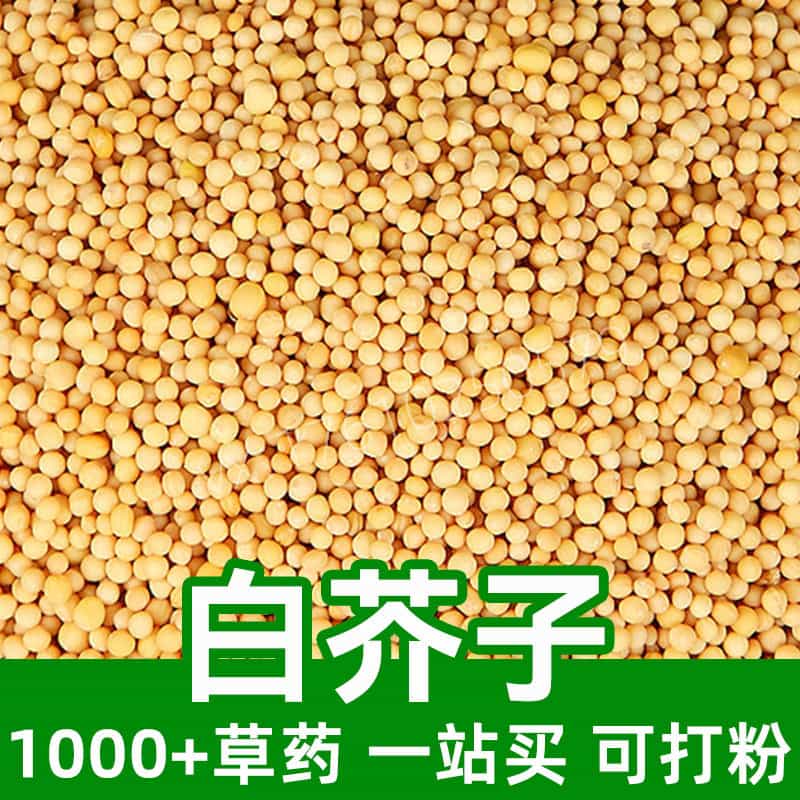
White mustard seed comes from the seeds of the white mustard plant. The seeds are small, round, and usually light yellow or off-white in color. It is a commonly used spice and seasoning that is widely incorporated into cooking and the production of condiments. White mustard seed has a distinctive spicy flavor and aroma that enhances the taste and texture of food.
The primary components of white mustard seeds include volatile oils, proteins, and cellulose, which contribute to their pungent taste and fragrant aroma. The seeds are also rich in nutrients such as Vitamin C, Vitamin A, and minerals, offering some nutritional value.
Aroma Chemical Components
The aroma of white mustard seed primarily comes from its volatile oil content, including compounds like isothiocyanates and sinigrin, which give the seeds their characteristic spicy flavor and unique aroma.
Product Types
White mustard seed is typically found in the form of small seeds that are light yellow or off-white in color. Depending on their use and processing methods, white mustard seeds are available in various forms, including whole seeds, ground mustard powder, and mustard paste.
Whole seeds refer to unprocessed mustard seeds, commonly used in making seasonings and pickling foods. Ground mustard is the powdered form of the seed, used in cooking and for creating condiments. Mustard paste is a sauce made by mixing ground mustard with liquids like vinegar or water, often used as a condiment to accompany food.
Product Usage Scenarios and Dosage
White mustard seed has a wide range of applications in cooking and condiment production. Below are some common usage scenarios and guidelines for dosage:
- Seasoning: Ground mustard can be used to make various condiments such as mustard paste or mustard sauce. The amount of ground mustard powder to be added can be adjusted based on personal taste and the dish being prepared.
- Pickling: White mustard seeds are used in the pickling process to enhance flavor and preserve food. Common applications include pickled meats and fish. The amount of mustard added can be adjusted based on personal preference and recipe requirements.
- Cooking: White mustard seeds can be used in stir-frying, soups, or meat dishes to impart spiciness and fragrance. The quantity of mustard used should be adjusted based on personal taste and the dish being prepared.
Plant Source, Distribution, and Growing Conditions
White mustard seed (*Sinapis alba*) is derived from the white mustard plant, a member of the Brassicaceae family. Native to Europe and Asia, it is now widely cultivated and naturally distributed.
The white mustard plant grows vigorously, reaching heights of 1-2 meters. Its leaves are pinnate, and it produces yellow flowers. The plant thrives in warm climates with nutrient-rich soil, with an ideal growth temperature range of 15-25°C.
Harvesting, Processing, and Storage
White mustard seeds are harvested at the end of the plant's growth cycle. Mature seeds are collected, cleaned to remove impurities and damaged seeds, then dried or sun-dried before being processed into mustard spice.
To preserve the quality and shelf life of white mustard, the seeds should be stored in a dry, well-ventilated area, away from moisture and direct sunlight. Typically, white mustard seeds can be stored for several months to a year, though their aroma and spicy flavor may gradually diminish over time. It is recommended to use them as soon as possible for the best quality.

Monica Sun is a seasoned expert in the natural raw materials industry, with over a decade of experience specializing in traditional Chinese medicinal herbs, spices, and fungi. She is skilled in the sourcing, processing, and application of these materials, emphasizing sustainability and innovation. Monica Sun has contributed to the development of high-quality natural raw materials that serve as essential components in functional foods, pharmaceuticals, and cosmetics, delivering tailored solutions to meet diverse market needs.
.jpg)