
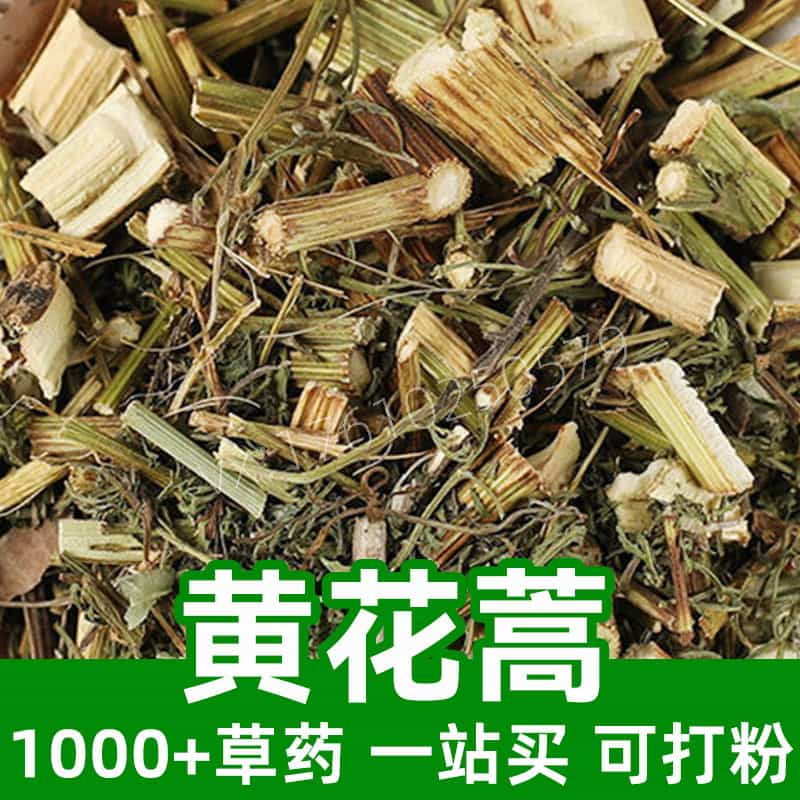



Artemisia annua Product Introduction
Artemisia annua is a common herb with main components such as volatile oils, flavonoids, and phenolic compounds. It is mainly distributed in regions such as China, Japan, and North Korea. Artemisia annua has a long history in Traditional Chinese Medicine, widely used for clearing heat and detoxifying, repelling insects, and more. Its volatile oils have strong antibacterial, anti-inflammatory, and insect-repelling properties, and are used in the treatment of malaria and scabies. In addition, Artemisia annua is also used as a food flavoring, adding a unique taste to dishes.
Main Active Components of Artemisia annua
Artemisia annua, a herb, contains volatile oils, flavonoids, and phenolic compounds as its main active components.
- Volatile Oils: The volatile oils in Artemisia annua are one of its primary active components. These oils include compounds such as artemisinin, thujone, and cineole. These oils have a strong aromatic fragrance and can have a stimulating effect on the human body.
- Flavonoids: Artemisia annua contains rich flavonoids like anthocyanins and flavonoid glycosides. These compounds have antioxidant, anti-inflammatory, and antibacterial activities, which help boost immunity and protect cardiovascular health.
- Phenolic Compounds: Artemisia annua also contains phenolic compounds such as catechins and coumarins. These compounds have antibacterial, anti-inflammatory, and antioxidant effects, which contribute to the prevention and treatment of certain diseases.
The active components of Artemisia annua make it widely used in traditional medicine and dietary supplements:
- Clearing Heat and Detoxifying: Artemisia annua helps clear heat and detoxify the body, providing relief for conditions such as fever and cold symptoms. It is often used for treating wind-heat colds and sore throats.
- Repelling and Killing Insects: The volatile oils in Artemisia annua have strong insect-repellent and insecticidal effects, and are often used for treating parasitic diseases like roundworms and hookworms, as well as preventing insect bites.
- Stopping Bleeding and Dispelling Stagnation: Artemisia annua is also used for treating blood stasis, blood clots, and menstrual irregularities, having a certain effect on stopping bleeding and resolving stagnation.
With its rich chemical components, Artemisia annua has broad applications in the pharmaceutical and healthcare fields.
Artemisia annua Application Scenarios, Usage, and Dosage
Artemisia annua is widely used in both Traditional Chinese Medicine and the food industry. Below is a detailed introduction to its application scenarios, usage, and dosage:
- Clearing Heat and Detoxifying: Artemisia annua is often used for treating wind-heat colds, sore throats, and other symptoms. It can be made into a tea, with 3-6 grams used per dose, brewed with water, and consumed 2-3 times per day.
- Repelling and Killing Insects: Artemisia annua has insect-repelling properties, and is commonly used to treat parasitic infections such as roundworms and hookworms. The powdered herb can be taken 3-6 grams per dose, 2-3 times a day, for a duration of 7-10 days.
- Stopping Bleeding and Dispelling Stagnation: Artemisia annua is used to treat blood stagnation and irregular menstruation. It can be decocted or ground into powder and applied externally to affected areas to help stop bleeding and resolve stagnation.
- Food Flavoring: Artemisia annua is also used as a flavoring agent in food, adding a fragrant and unique taste to various dishes. Typically, a small amount is used, adjusted according to personal taste.
- Medicinal Soup Recipes: Artemisia annua can be combined with other herbs in soups, which help clear heat, detoxify, and nourish the skin. Common recipes include Artemisia annua-pig bone soup or Artemisia annua-date soup, used in moderate amounts once daily.
- Food Additives: Artemisia annua extract can be used as a food additive to enhance the nutritional value and flavor of foods, such as in bread or biscuits. The amount used depends on the type of food and manufacturing process.
- Traditional Chinese Medicine Formulas: Artemisia annua is also used in TCM formulas, such as Artemisia annua decoction and Artemisia annua tablets, for treating heat-toxicity and blood stasis-related conditions. Dosage varies depending on the specific condition and medical advice.
- Health Tea: Artemisia annua can be brewed into a health tea for its heat-clearing and beauty benefits. It can be combined with other herbs, steeped in water, and consumed 1-2 times daily in moderate amounts.
Artemisia annua has diverse applications in Traditional Chinese Medicine and the food industry, but should be used with caution to avoid excessive consumption, which could cause adverse effects.
Artemisia annua Plant Source, Distribution, and Growing Environment
Artemisia annua, scientifically known as *Artemisia scoparia*, is a common perennial herb in the Asteraceae family. It is also known as groundworm, bitter grass, and ground sage. Below is detailed information on its plant source, distribution, and growing environment:
- Plant Source Information:
- Artemisia annua is an upright perennial herb, typically 30 to 100 centimeters in height, with a well-developed root system and stems covered in long, soft hairs.
- Its leaves are narrow, lance-shaped, with green upper surfaces and grayish-white undersides, with jagged or deeply lobed edges.
- Its flower clusters are conical, with small, dense yellow blooms, usually blooming in summer.
- Distribution:
- Artemisia annua is native to Europe, Asia, and North Africa, and is widely distributed in regions of China, including the northeast, North China, Northwest, and East China, as well as Japan and North Korea.
- Due to its strong adaptability, Artemisia annua can be found in temperate, subtropical, and tropical areas worldwide.
- Growing Environment:
- Artemisia annua thrives at altitudes of 500 to 2200 meters, and can be found in mountainous areas, deserts, fields, grasslands, and roadsides. It is not particularly demanding on soil, tolerates drought, and is relatively cold-hardy.
- It commonly grows in open areas such as dry land, roadsides, gardens, and fields, and can also thrive on higher-altitude mountain slopes and forest edges.
- Growth Characteristics:
- Artemisia annua is a wild plant with vigorous growth and strong adaptability, often found in natural environments like wastelands, riverbanks, and roadsides.
- As a light-loving plant, it requires ample sunlight for growth and is typically found in areas with plenty of exposure to the sun, and its soil requirements are relatively low.
Overall, Artemisia annua is a hardy plant with a wide distribution, thriving in various environments such as temperate, subtropical, and tropical regions. It grows easily in a range of natural settings and is a common wild herb found across different regions of China and globally.
Artemisia annua Harvesting, Processing, and Storage
Harvesting, processing, and proper storage of Artemisia annua are essential for maintaining its medicinal value and quality. Below is detailed information about Artemisia annua harvesting, processing, and storage:
- Harvesting Time:
- Artemisia annua is typically harvested from the early flowering period to the peak of bloom, when its active components are most concentrated.
- Harvesting Method:
- Choose healthy, pest-free Artemisia annua plants with green stems and leaves for harvesting.
- The plant should be cut at the base, either by hand or with tools.
- Avoid overharvesting to preserve the ecological balance and promote plant growth.
- Processing:
- After harvesting, Artemisia annua should be immediately cleaned to remove dirt and impurities, then dried thoroughly.
- Drying can be done by air drying or using a dehydrator, ensuring the plant is completely dry to prevent mold growth.
- Storage Methods:
- Dried Artemisia annua should be stored in a ventilated, dry, and dark place to avoid moisture and sunlight exposure.
- It can be stored in breathable bags or containers and sealed to prevent insect infestations and oxidation.
- Storage Duration:
- Properly stored, dried Artemisia annua can last 6 months to a year.
- During storage, check periodically for mold or unpleasant odors, and discard if any issues are detected.
- Precautions:
- Maintain hygiene during harvesting and processing to avoid contamination.
- Store in a dry, well-ventilated area, avoiding direct sunlight and humidity.

Monica Sun is a seasoned expert in the natural raw materials industry, with over a decade of experience specializing in traditional Chinese medicinal herbs, spices, and fungi. She is skilled in the sourcing, processing, and application of these materials, emphasizing sustainability and innovation. Monica Sun has contributed to the development of high-quality natural raw materials that serve as essential components in functional foods, pharmaceuticals, and cosmetics, delivering tailored solutions to meet diverse market needs.
.jpg)