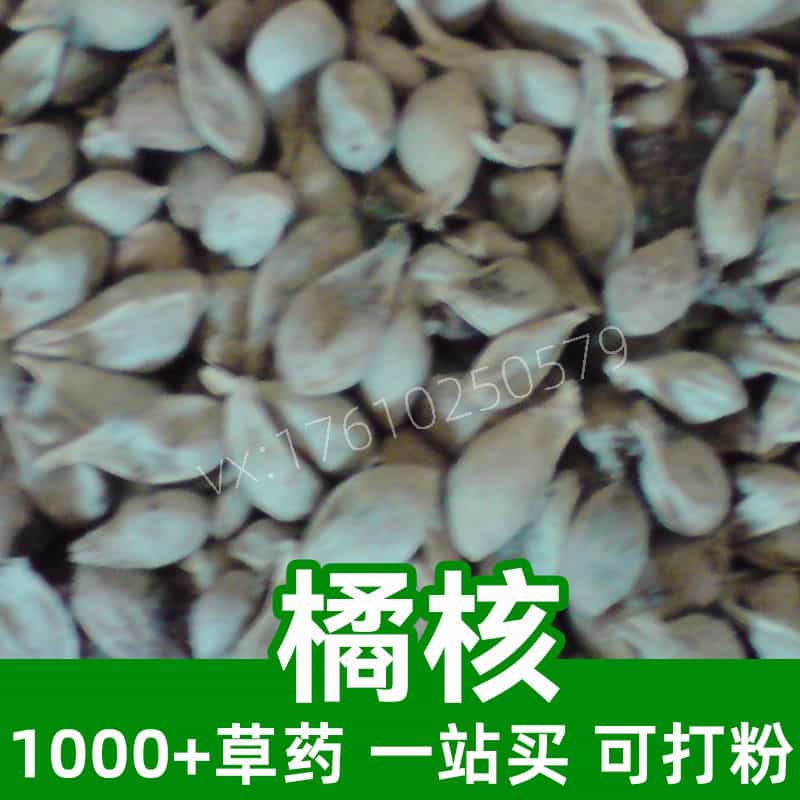



Tangerine Seed Product Introduction
Tangerine seeds are the seeds found inside citrus fruits, processed by removing the pulp and drying. They are a common traditional Chinese medicine material, containing plant-based oils, proteins, cellulose, and vitamin C.
Widely applied in traditional Chinese medicine, tangerine seeds are known for their benefits, including regulating qi, resolving phlegm, relieving cough, aiding digestion, and strengthening the spleen. They are often used to treat symptoms such as cough, asthma, and indigestion. Warm in nature and slightly bitter, they are suitable for conditions related to liver and stomach qi stagnation, phlegm, and coughing.
Tangerine seeds can also be used in food processing, such as making tangerine seed tea or tangerine seed powder. Rich in plant-based oils and protein, they offer nutritional value and support digestive health, as well as soothing coughs.
Key Active Components of Tangerine Seeds
Tangerine seeds, the seeds of citrus fruits, contain several key active components, including plant-based oils, proteins, cellulose, and vitamin C. These components contribute to various health benefits:
- Plant-Based Oils: Rich in unsaturated fatty acids such as linoleic acid and alpha-linolenic acid, these oils help lower cholesterol, prevent cardiovascular diseases, regulate blood lipids, and reduce blood pressure.
- Proteins: A source of essential amino acids, these proteins aid tissue repair, metabolism, and immune system enhancement.
- Cellulose: Promotes intestinal peristalsis, prevents constipation, aids detoxification, and helps regulate blood sugar and cholesterol levels, benefiting digestive health.
- Vitamin C: An antioxidant that boosts immunity, supports collagen synthesis, slows aging, and aids iron absorption while maintaining vascular health and preventing anemia and bleeding disorders.
These active components make tangerine seeds valuable for managing blood lipids, enhancing immunity, supporting digestion, preventing cardiovascular issues, and combating aging.
Tangerine Seed Applications and Usage
Tangerine seeds are used extensively in traditional Chinese medicine and the food industry, with methods and dosages varying by application:
- Traditional Chinese Medicine:
- Clearing Heat and Detoxifying: Used for treating colds, sore throats, and similar symptoms.
- Regulating Qi and Aiding Digestion: Alleviates indigestion, poor appetite, and other digestive issues.
- Calming and Balancing: Helps manage anxiety, insomnia, and related nervous system concerns.
- Food Applications:
- Seasoning: Ground into powder for use as a culinary spice, enhancing aroma and taste.
- Health Foods: Used to create products like tangerine seed powder or tea for daily consumption to promote health.
- Baked Goods: Incorporated into bread, cookies, and other baked goods to add nutrition and flavor.
- Dosage and Methods:
- Herbal Decoctions: Grind tangerine seeds into powder, using 5-10 grams per dose, boiled in water. Adjust based on symptoms or medical advice.
- Tea Preparation: Brew tangerine seed powder as tea, adding honey or other flavorings to taste.
Though generally safe, tangerine seeds should be used under professional guidance, especially for special populations or those with specific health concerns.
Source Plants, Distribution, and Growth Environment
Tangerine seeds are the seeds or kernels of citrus fruits such as pomelos, oranges, and lemons. Below is a detailed overview:
- Plant Information:
- Scientific Name: Citrus genus, part of the Rutaceae family.
- Characteristics: Evergreen trees or shrubs with fragrant leathery leaves, often thorny stems, white or pale purple flowers, and juicy spherical or oval fruits with orange-yellow rinds.
- Reproduction: Primarily propagated by seeds, which are found inside the fruit and referred to as tangerine seeds.
- Distribution:
- Geographical Range: Grows in subtropical and tropical regions, including China, India, Southeast Asia, Africa, and the Americas.
- Growth Environment: Prefers warm, humid climates with well-drained soil, thriving at altitudes between sea level and 1500 meters.
- Growth Conditions:
- Climate: Adapts well to subtropical and tropical climates, favoring warmth and moisture.
- Soil: Grows best in loose, fertile, and well-drained soil, with good tolerance for a range of pH levels.
- Key Varieties:
- Pomelo (Citrus grandis): Large fruits with thick peels, juicy and sweet-tart in flavor.
- Orange (Citrus sinensis): Sweet and juicy fruits, widely cultivated.
Tangerine seeds come from adaptable citrus plants that thrive in suitable climates and soils.
Harvesting, Processing, and Storage of Tangerine Seeds
Proper harvesting, processing, and storage are essential to maintain the quality and nutritional value of tangerine seeds.
- Harvesting:
- Timing: Collected when citrus fruits are ripe, usually during fruit harvesting.
- Method: Extracted by separating the seeds from the fruit.
- Processing:
- Cleaning: Seeds are cleaned to remove dirt and impurities.
- Drying: Sun-dried or mechanically dried to reduce moisture and prevent mold or decay.
- Sorting: Dried seeds are sorted to ensure quality and remove defective ones.
- Storage:
- Ventilation and Dryness: Store in a cool, ventilated place to keep dry and clean.
- Moisture and Sun Protection: Avoid moisture and direct sunlight to prevent deterioration.
- Sealed Packaging: Use sealed packaging to extend shelf life and avoid humidity.
- Temperature: Ideal storage at room temperature, avoiding high heat or dampness.
Proper practices ensure freshness, nutritional value, and safety, extending the usability of tangerine seeds.

Monica Sun is a seasoned expert in the natural raw materials industry, with over a decade of experience specializing in traditional Chinese medicinal herbs, spices, and fungi. She is skilled in the sourcing, processing, and application of these materials, emphasizing sustainability and innovation. Monica Sun has contributed to the development of high-quality natural raw materials that serve as essential components in functional foods, pharmaceuticals, and cosmetics, delivering tailored solutions to meet diverse market needs.
.jpg)